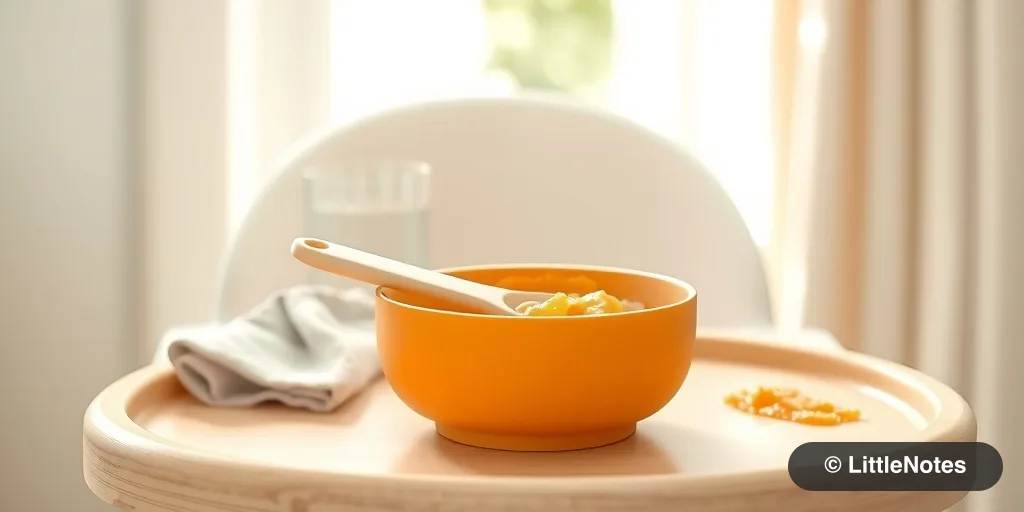
Starting your baby on solid foods is a milestone filled with excitement, curiosity, and—let’s be honest—a fair amount of mess. It is completely normal to feel a bit anxious about whether you are doing it "right." Remember, the first several months of solids are primarily about exploration, texture, and flavor, with breast milk or formula remaining your baby’s main source of nutrition.
When to Begin
Most experts recommend starting around 6 months of age, but every baby is different. Your baby is likely ready if they can sit upright with minimal support, have good head control, and show interest in your food. Always consult your pediatrician to confirm your little one is ready to start their culinary journey.
Getting Started: The First Few Days
Start small. A single meal a day, offered at a time that works for your family schedule (often breakfast or lunch), is a great way to begin.
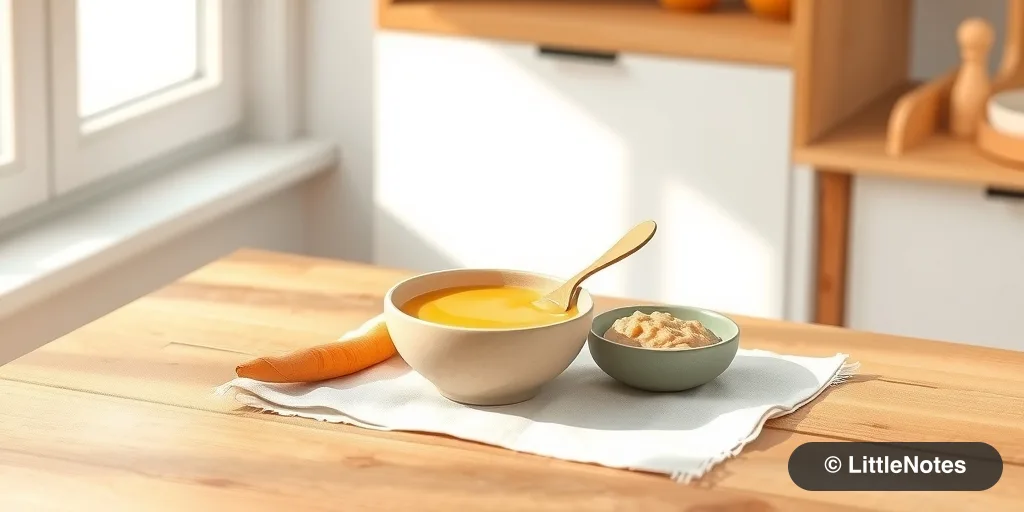
- First Foods: Many parents find success with iron-rich, easily digestible foods like mashed moong dal khichdi, ragi porridge, or steamed, mashed vegetables like pumpkin, sweet potato, or carrots.
- Texture Matters: Start with smooth purees or very fine mashes. As your baby gets more comfortable, you can gradually increase the texture.
- The One-at-a-Time Rule: Introduce new foods one at a time, spacing them out by a few days. This helps you monitor for any potential allergies or digestive discomfort.
Practical Tips for Success
- Go with the Flow: Some days your baby might eat a full serving; other days, they might only take two teaspoons. This is completely normal! Follow their cues; if they turn their head away, push the spoon away, or lose interest, they are likely finished.
- Embrace the Mess: Babies learn by touching, squishing, and exploring. It can be helpful to keep a high chair that is easy to wipe down or even place a mat underneath to catch spills.
- Keep it Balanced: You don't need fancy equipment. A fork for mashing and a soft-tip spoon are often all you need in the early days. If your baby seems interested in what you are eating, feel free to offer safe, appropriately prepared finger foods (this is often called Baby-Led Weaning) alongside or instead of purees.
A Note on Hydration
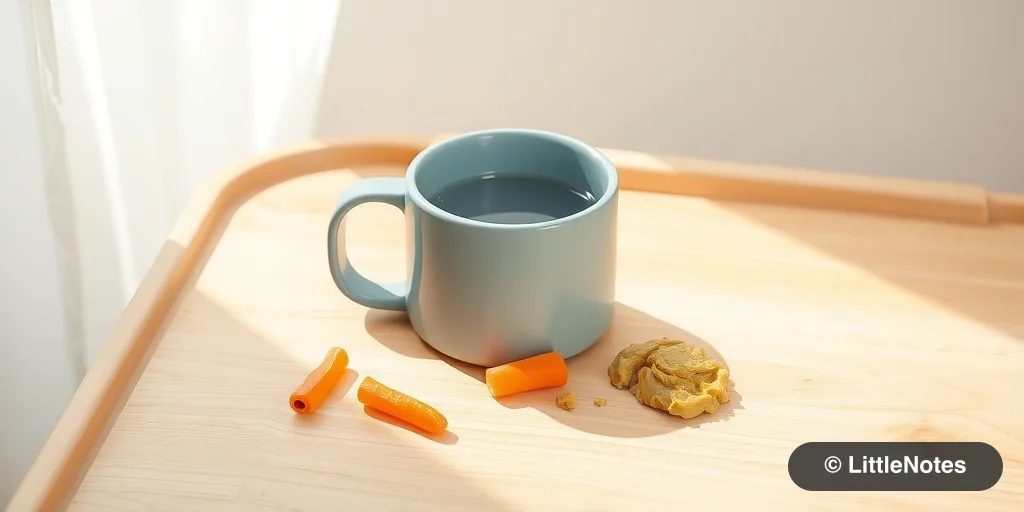
As you introduce solids, you can begin offering small sips of water in a tiny open cup or a straw cup to help your baby learn the skill of drinking. While milk remains their primary hydration, practicing with a cup helps build important motor skills.
Above all, be patient with yourself and your baby. This is a journey of discovery. If your baby rejects a food, don't worry—just keep offering it again in a few weeks. Every child develops their own palate at their own pace.



Comments