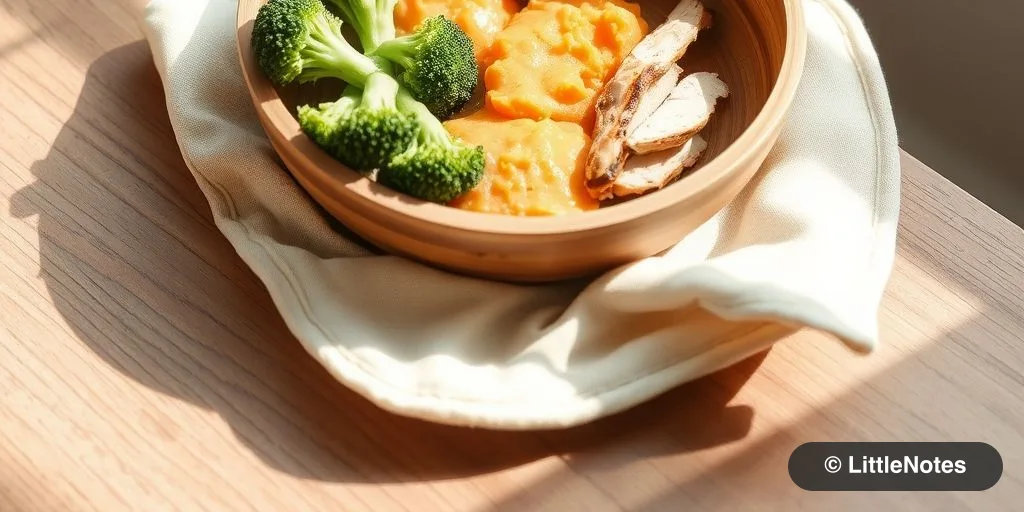
Starting solids around the 6-month mark is an exciting milestone, but it’s normal to feel overwhelmed by all the advice. The most sustainable approach is to keep mealtimes close to the "family pot." Instead of preparing separate baby-specific meals, you can steam, mash, or offer finger-friendly versions of what the rest of the family is eating. This minimizes your workload and helps your baby get used to family textures and flavors early on.
Getting Started:
- When to begin: Start with one meal a day, ideally in the first half of the day (e.g., 10 AM) when your baby is alert and not overly hungry.
- Portion size: Aim for about 3 tablespoons of mashed food, or offer 1-2 finger-sized strips for self-feeding. Remember, between 6–12 months, breastmilk or formula remains the primary source of nutrition. The goal is quality exposure, not quantity.
- Variety is key: There is no rule stating you must wait 3–4 days between new foods. Introducing a diverse range of fruits, vegetables, grains, and proteins early helps with gut microbiome development and reduces the likelihood of picky eating later.
- Create a positive environment: Eat together as a family to model chewing and eating. Avoid distractions like screens or books, as these can interfere with your baby’s ability to recognize their own hunger and fullness cues.
Safety First:
- Consult your pediatrician for any specific concerns, especially regarding allergies.
- Introduce common allergens (like egg or peanut butter) in the first half of the day so you can monitor for reactions.
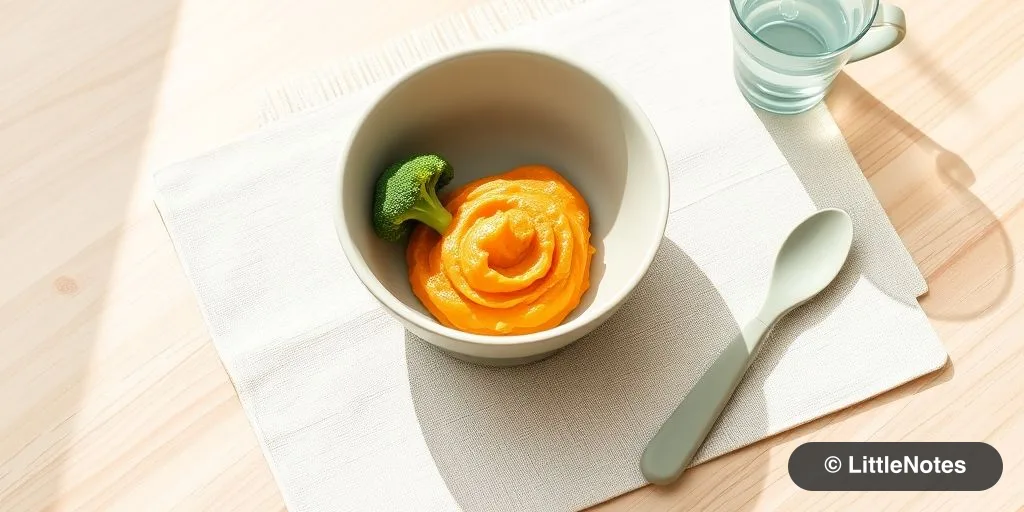
- Offer sips of water after meals, but don’t worry if they only take a tiny amount; it’s all about the practice.
- Disclaimer: Always consult your pediatrician before making changes to your baby’s diet, especially if they have underlying health conditions or specific nutritional needs.
Keep it simple, stay consistent, and remember that even if your baby refuses food initially, it often takes 10+ exposures before they accept a new item. You’re doing a great job!



Comments