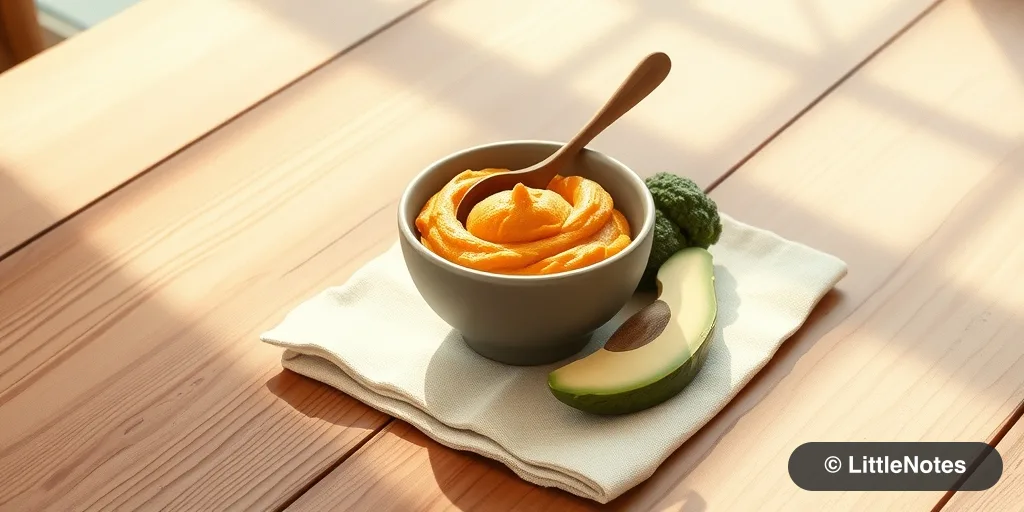
Introducing solids is one of the most exciting milestones in your baby’s first year, but it can also feel a bit overwhelming. The best approach is often the simplest: keep it close to what your family already eats. By skipping elaborate, separate “baby menus” and moving toward the “family pot” early on, you help your little one develop a palate for the flavors they will enjoy for years to come.
How to Start
There is no one “perfect” first food, but many parents find success starting with steamed vegetables or simple grains like cooked rice. While some choose to offer purees, many experts and parents today encourage offering foods with natural textures to help babies learn how to chew and swallow safely. Resources like the Solid Starts app can be a great guide for learning how to serve specific foods based on your baby’s age and motor skills.
Introducing Common Allergens
It is natural to be cautious about allergens like eggs, fish, or dairy. Current guidance suggests that once your baby is ready for solids, there is no need to delay the introduction of these foods. In fact, early introduction may help reduce the risk of developing allergies.

- Eggs: You can offer well-cooked eggs to your baby. While traditional advice once suggested separating the yolk and the white, current guidelines support offering the whole, well-cooked egg. Scrambled, hard-boiled, or mixed into pancakes are all great ways to serve it.
- Fish: Opt for low-mercury varieties. These can be served as flaked, cooked fillets that your baby can easily handle or mixed into patties.
- Chicken: Offer boneless, well-cooked pieces that are either finely minced or flaked. For babies practicing self-feeding, cooked strips or tender, cooked drumsticks (with sharp bones removed) are excellent options.
Watch for Reactions
When introducing a new high-allergen food, offer it as the only new ingredient for that day. This makes it easier to pinpoint a reaction if one occurs. Common signs of an allergic reaction can include hives, rashes, or vomiting. If your baby has eczema, they may be more sensitive, so consult your pediatrician for a personalized plan. If a reaction occurs, take a break from that food, follow your doctor's advice regarding an allergy test, and reintroduce it slowly later if given the green light.
A Note on Flavors
Don't be afraid to use herbs and mild spices! As your baby matures, you can incorporate the flavor profiles of your culture—whether that’s tamarind, lime, or mild spices—into their meals. The goal is to raise an adventurous eater who enjoys the same healthy, home-cooked meals as the rest of the family.
Disclaimer: This information is for educational purposes. Always consult your pediatrician before introducing new foods, especially if your baby has a history of allergies or eczema.



Comments