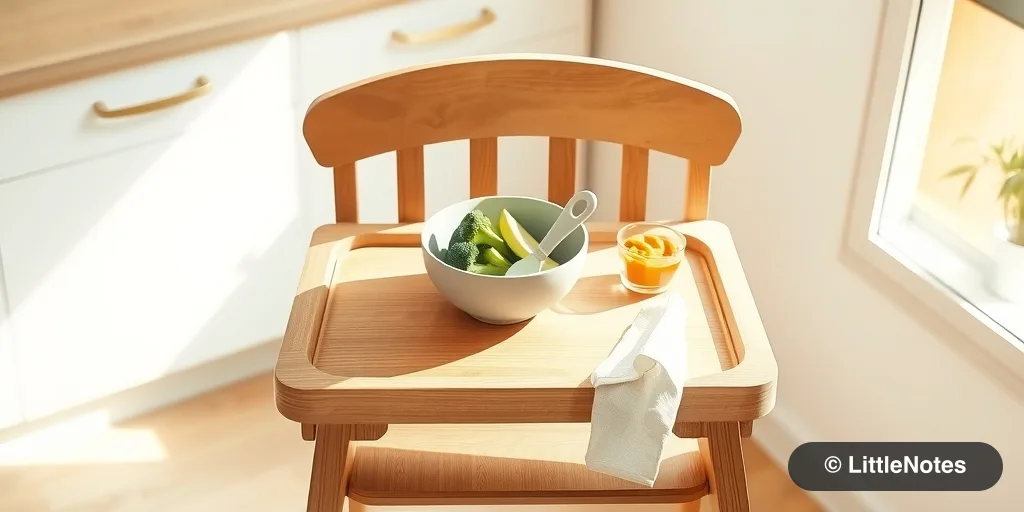
Starting solids around the six-month mark is an exciting milestone, but it often brings a flood of questions about schedules, textures, and quantities. Whether you choose Baby-Led Weaning (BLW), traditional purees, or a combination of both, the most important thing to remember is that there is no single "right" way to feed your baby.
Milk Remains Primary
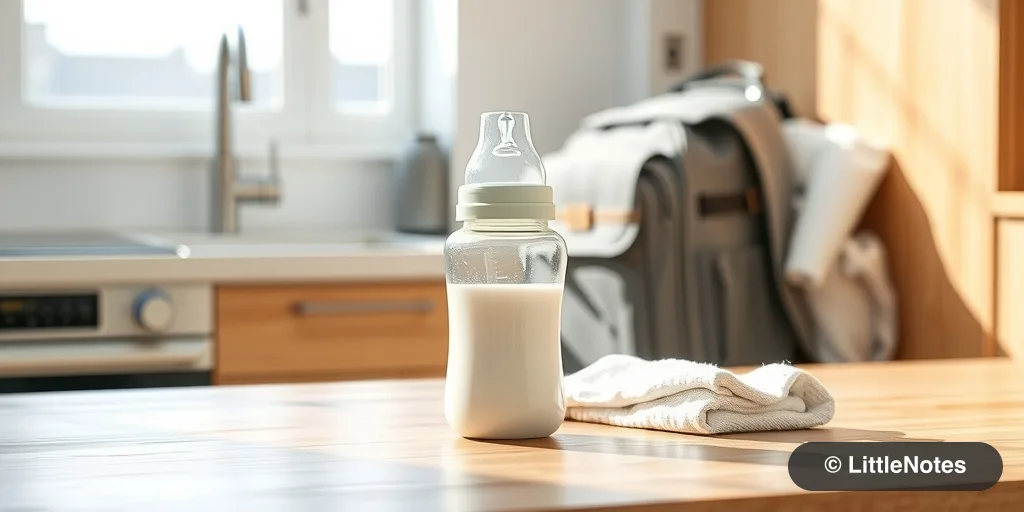
For the first year, breastmilk or formula is the primary source of nutrition. Don’t worry if your baby only eats a few spoonfuls or plays with their food more than they consume in the early weeks. This phase is purely about sensory exploration and learning the mechanics of eating. If you find your baby’s milk intake dips slightly as they explore solids, it is usually normal, but always consult your pediatrician to ensure they are meeting their growth milestones.
Navigating Texture and "The Squish Test"
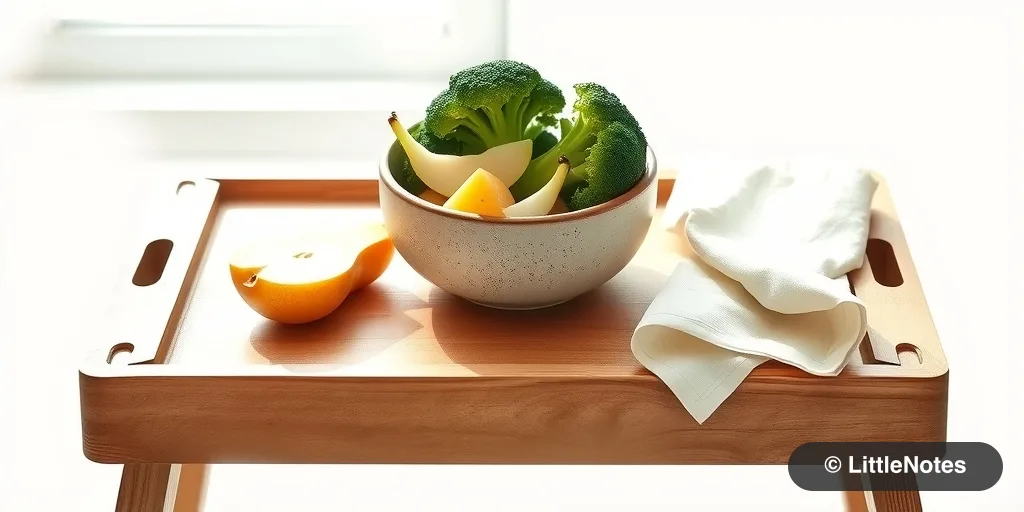
Many parents wonder when to move from smooth purees to textured mashes. You can generally start thickening the consistency within a few weeks of starting. A simple rule of thumb for finger foods: if a piece of food squishes easily between your fingers, it is likely safe for your baby to handle. For harder items like apples, steaming until soft is recommended until your baby develops the skills to chew and bite effectively.
Practical Tips for Success
- Consistent Schedules: Try offering meals when your baby is not overly tired or cranky. Communication is key—talk about the colors, shapes, and textures of the food as you eat together.
- Feeding Cues: Trust your baby to know when they are full. Avoid distractions like screens during mealtime, as these can interfere with a child’s ability to recognize their own internal hunger and satiety cues.
- Keep It Simple: You don’t need to cook complex meals. Simple, nutrient-dense staples like moong dal khichdi, ragi porridge, or mashed fruits are excellent starters. Meal prepping on weekends or the night before can save you from morning stress.
- Manage the Mess: Throwing food is a common developmental stage. If it becomes a habit, you can calmly communicate that if the food is thrown, the meal is over. Consistency helps them understand that mealtime is for eating, not for tossing food.
Most importantly, avoid comparing your baby’s appetite to others. Every child develops at their own pace. Focus on creating a low-pressure, positive environment, and your baby will naturally develop a healthy relationship with food.



Comments