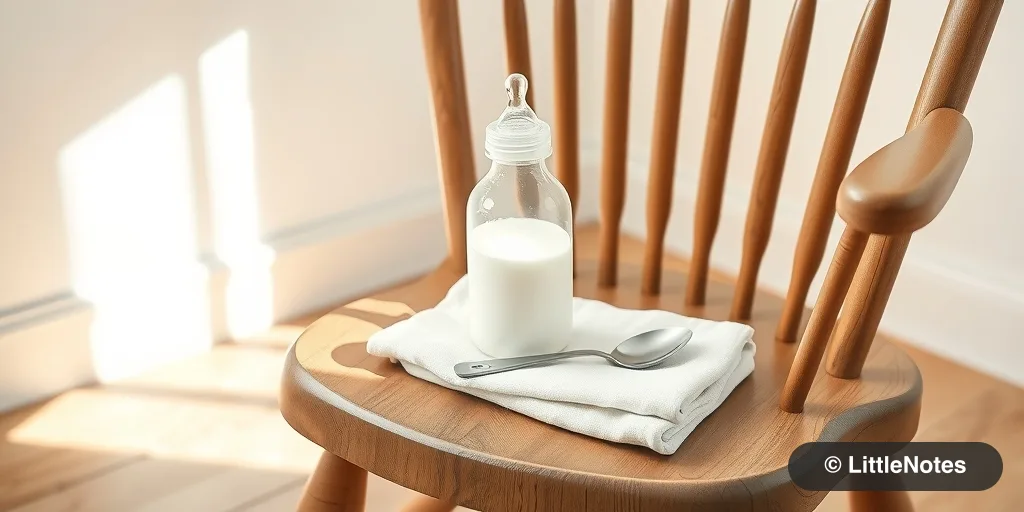
When you’re navigating the early days of parenthood, you’ll hear a lot of advice about feeding methods. Many parents are initially cautioned against using bottles to avoid “nipple confusion” or to strictly adhere to specific feeding tools like a paladai or spoon. However, as many parents discover, the most important goal is ensuring your baby is well-fed, healthy, and happy—and that you are supported in your parenting journey.
The Reality of Feeding Choices
While some pediatricians may initially suggest avoiding bottles, many families find that introducing a bottle early on provides essential flexibility. Whether you are returning to work, managing your own physical or mental health recovery, or simply need a partner to assist with feedings so you can get some much-needed rest, bottles can be a life-saver.
Dispelling Myths
Many parents worry that a bottle will cause their baby to reject the breast. While every infant is unique, many parents successfully combine breastfeeding and bottle-feeding from the very beginning without any issues. Conversely, waiting too long to introduce a bottle can sometimes make the transition much more difficult later on, as babies become more set in their preferences.

Practical Considerations
When deciding on your feeding strategy, consider these practical points:
- Mental Health Matters: Your well-being is a crucial part of your baby’s environment. If constant pumping or spoon-feeding is causing you significant distress, it is okay to prioritize an easier method.
- Efficiency: Bottles allow for a more regulated flow, which can sometimes reduce the time spent feeding and minimize the mess or wastage that can occur with open cups or spoons.
- Consistency: If you plan to return to work or rely on help from a caregiver, introducing the bottle early helps your baby develop the skill of bottle-feeding, ensuring a smoother transition when your schedule changes.
Trust Your Instincts
Ultimately, you know your baby best. If you are concerned about your baby’s intake, focus on key indicators of health like the number of wet diapers and healthy weight gain, rather than just the clock or the method of delivery. If your baby is happy, thriving, and hitting their milestones, you are doing a great job.
Note: Always consult with your pediatrician regarding your baby’s specific growth and nutritional needs. If you are struggling with breastfeeding or bottle refusal, seek support from a lactation consultant or a trusted healthcare provider.





Comments