
If your 5-month-old has suddenly started chewing on everything in sight—from their own fingers to the edges of blankets—you are likely witnessing the beginning of the teething phase. While not every infant starts teething at five months, oral exploration is a key developmental milestone at this age as babies learn to use their mouths to interact with the world.
Signs of Teething
Aside from constant chewing, you might notice increased drooling, fussiness, or a sudden disinterest in food due to gum tenderness. If your baby seems particularly frustrated because they cannot get a teether into their mouth effectively, it is a sign that they are still developing the fine motor skills required for precise movement.
Choosing the Right Teether
When selecting a teether for a younger infant, ease of use is everything. Look for options that are:
- Easy to Grip: Babies at this stage are still learning to grasp; choose lightweight teethers with handles or ergonomic shapes that don’t require a strong grip.
- Safe Materials: Ensure the teether is made from baby-safe, BPA-free silicone or natural rubber.
- Texture: Varieties with different textures can provide relief to sore gums by applying varying levels of pressure.
Managing Frustration
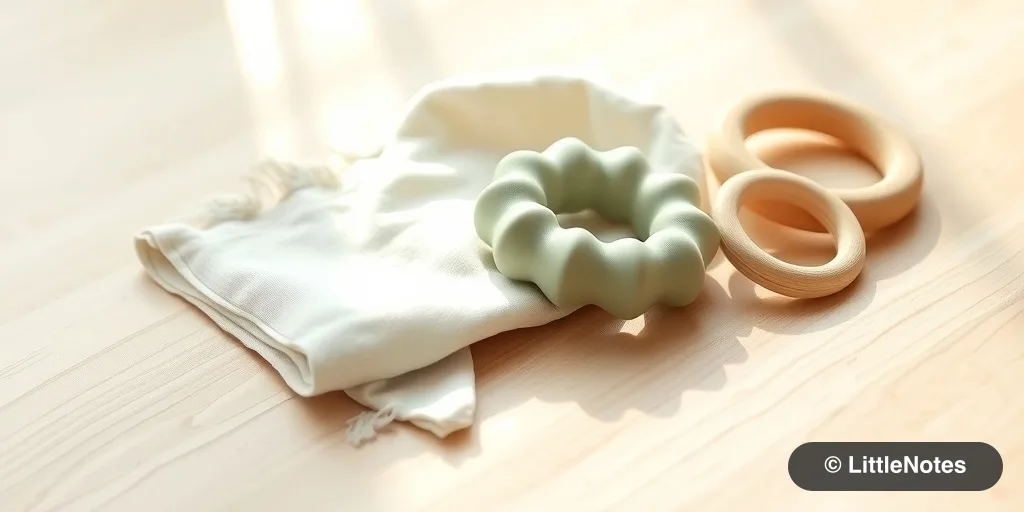
If your baby becomes upset because a teether is too heavy or difficult to maneuver, don't worry. Sometimes, simply rotating to a different style or taking a short break from the teether can help. You can also offer clean, cool (not frozen, as extreme cold can sometimes irritate) washcloths for them to gum on, which are often easier for little hands to hold than structured toys.
Remember, if your baby’s fussiness seems excessive or is accompanied by other symptoms like a high fever, always check in with your pediatrician to rule out other causes of discomfort.





Comments