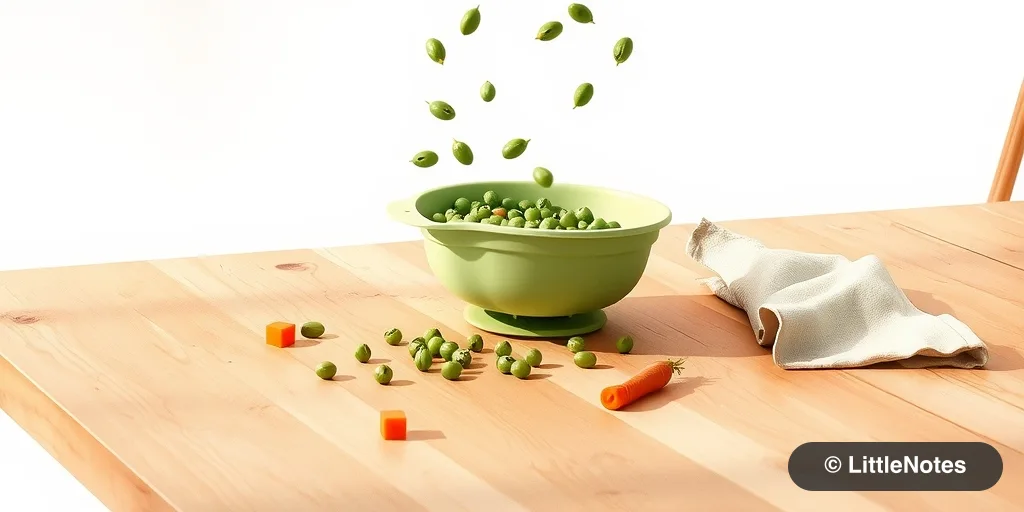
If you’ve noticed your once-enthusiastic little eater suddenly turning mealtime into a test of gravity, you aren’t alone. Around the 14 to 15-month mark, many parents find that their toddlers transition from "finish-the-plate" eaters to "let’s-see-how-far-this-peas-flies" adventurers. It can be incredibly stressful when you’re worried about nutrition, but rest assured: this is a completely normal developmental milestone.
Why the Change?
First, take a deep breath. A sudden decrease in food intake is often perfectly normal for toddlers. As their rapid infancy growth rate begins to slow down, their appetite naturally levels off. While it might seem baffling that they have the energy to run and jump all day on what feels like "three molecules of food," toddlers are highly efficient at regulating their own caloric needs. They won’t starve themselves; if they are hungry, they will eat.
Embracing the Chaos
The "throwing phase" is a standard part of exploring cause-and-effect. Your toddler isn't necessarily being difficult; they are learning about their world through sensory play—the touch, the texture, and the physics of how food hits the floor.

Here are a few ways to manage the mess without losing your mind:
- Keep Portions Small: Instead of putting a full meal on the tray, serve tiny amounts. If they eat it, you can offer more. This reduces the "payload" available for throwing.
- Accept the Mess: If the throwing starts, calmly remove the plate and let them know the meal is finished. Providing a consistent boundary helps them learn that mealtime is for eating, not for tossing food.
- Focus on Consistency, Not Quantity: It’s easy to stress about nutrient intake, but try to look at their nutrition over the course of a week rather than a single meal. A few bites here and there really do add up.
- Simplify the Setup: If dipping becomes a problem, try serving sauces or yogurt on the side in small, manageable amounts or wait until they are finished with their finger foods before offering the "messy" components.
When to Worry
While erratic eating is a common toddler behavior, always trust your instincts. If you are ever concerned about your child’s growth, weight gain, or overall health, please consult your pediatrician. They can provide professional guidance tailored to your child’s specific needs.

Ultimately, this is just a season. The desire to experiment with food is a temporary stage that usually settles down as they gain more motor control and interest in the social aspects of eating. Keep offering a variety of healthy options, stay calm, and remember—you’re doing a great job!






Comments