Many parents face pressure from family members to shave their baby’s head (Mundan) in hopes that the hair will grow back thicker or darker. If you are debating this tradition, it helps to separate cultural practices from biological facts.
Is it a Myth? Scientifically, shaving a baby's head does not change the thickness, texture, or color of their future hair. Hair growth is largely determined by genetics. If a baby is born with fine or scanty hair, it is usually because that is their natural texture at birth.
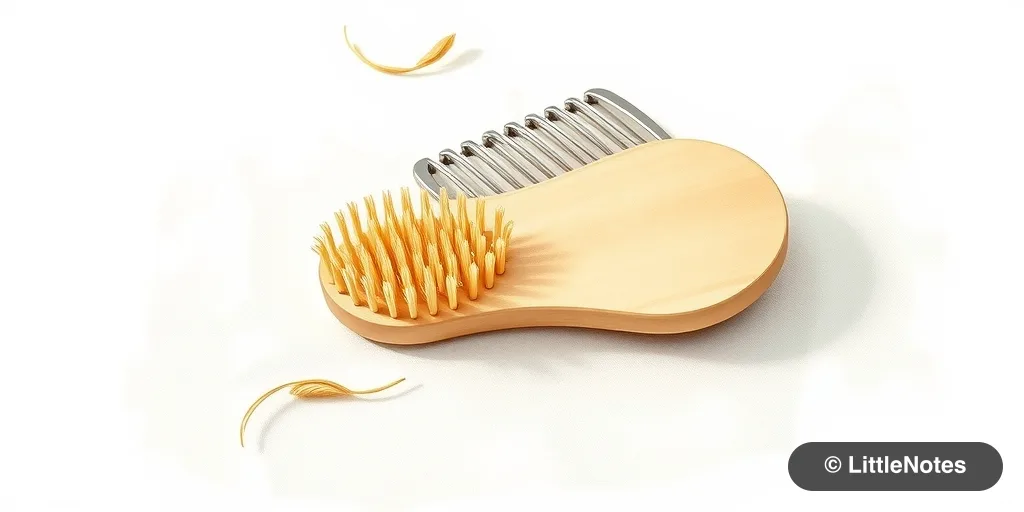
Why Does Hair Look Thicker After Shaving? When you shave hair, you remove the tapered, soft ends of the original hair and create a blunt edge. As the hair grows back evenly, it may appear temporarily denser or darker. Additionally, babies often undergo natural hormonal changes and hair shedding cycles during their first year, which coincidentally aligns with the time many parents choose to shave their heads.
Picking Your Battles: Parenting often involves balancing cultural or religious family expectations with your own parenting philosophy. If shaving your baby’s head is a meaningful family tradition, you may choose to participate for the sake of connection. However, if you are doing it purely because you believe it will 'fix' your baby's hair, know that it isn't necessary for healthy growth.
Ultimately, your baby’s hair will evolve based on their own genetic timeline. Focus on nourishing their body with healthy nutrition, which is the only proven factor that supports long-term hair health.






Comments