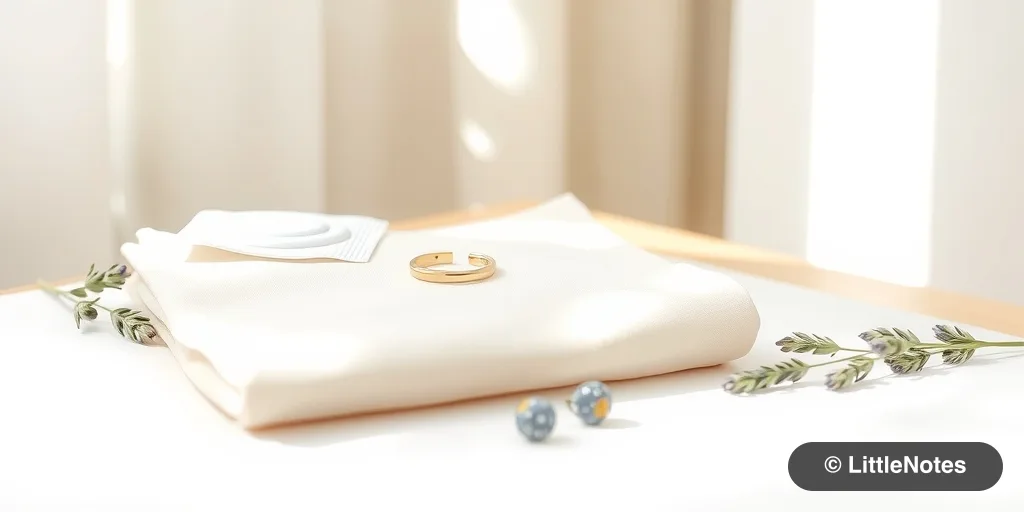
Deciding whether to pierce your baby’s ears is a deeply personal choice that often balances tradition, aesthetics, and parental values regarding bodily autonomy.
Timing and Experience
For those who choose to pierce, many parents find that doing it between 3–6 months is a "sweet spot." Infants at this age are generally less likely to touch their ears or pull at the jewelry compared to older, more mobile toddlers. Parents report that the process is often very quick, with babies showing minimal distress, and healing is generally straightforward when kept clean (many recommend coconut oil for aftercare).
Safety and Hygiene
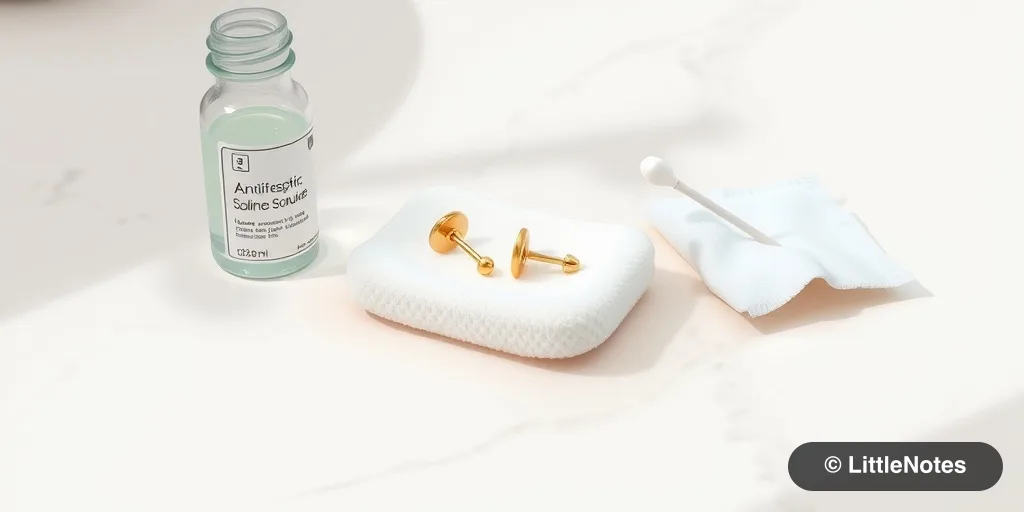
Regardless of the age you choose, safety is paramount. Ensure you visit a professional who uses sterile, hypoallergenic equipment to minimize the risk of infection. Poorly placed piercings can also lead to long-term issues like uneven holes or tearing, so choosing an experienced technician is vital. Always look out for signs of infection, such as redness, swelling, or discharge, and consult your pediatrician if you are concerned.
The Conversation on Autonomy
Many parents today are choosing to wait, prioritizing their child’s body autonomy. By waiting until a child is old enough to express a desire for earrings, parents can turn the experience into a positive, shared memory. This approach allows the child to be an active participant in the decision and the selection of their jewelry, avoiding potential resentment or discomfort later in life.

Dealing with "FOMO"
If you choose to wait, you might worry about your child feeling left out. However, many parents find that once they explain the process or involve their child in the decision-making later on, the child feels empowered rather than excluded. Remember: there is no "right" answer. Whether you choose to pierce early for traditional reasons or wait for your child to decide, what matters most is making the choice that aligns with your family’s values.




Comments