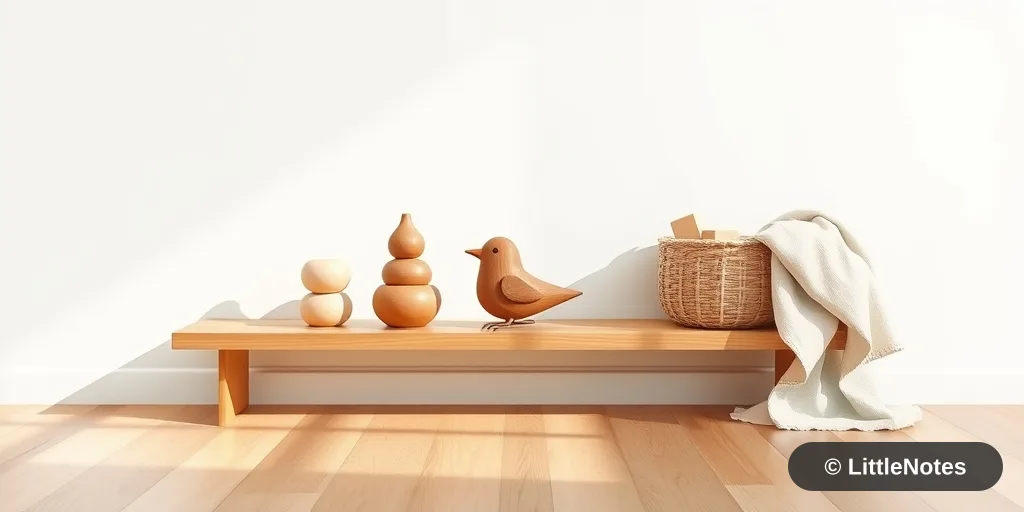
Have you ever noticed your baby switching between toys every few seconds, barely engaging with any of them? This is common, but it can actually lead to decision paralysis. By limiting the number of toys available at one time, you can help your child focus, build curiosity, and learn to play with toys as they were intended.
The Philosophy of Toy Rotation
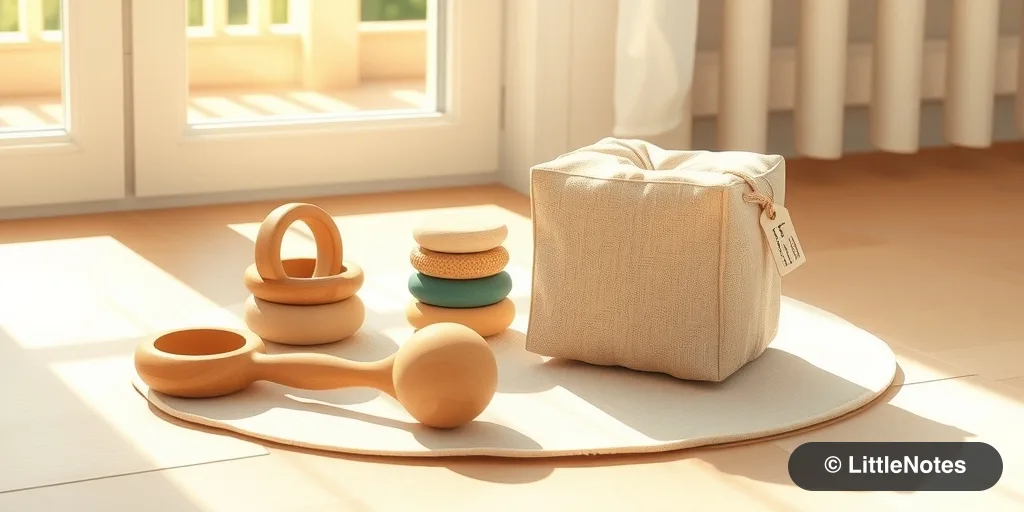
Rather than having a basket overflowing with toys, try keeping only 7–10 items out at a time. Put the rest away in a storage bin. Every few days or weeks, swap the items in the play area for ones from the bin. This makes "old" toys feel brand new again and keeps your little one from feeling overwhelmed.
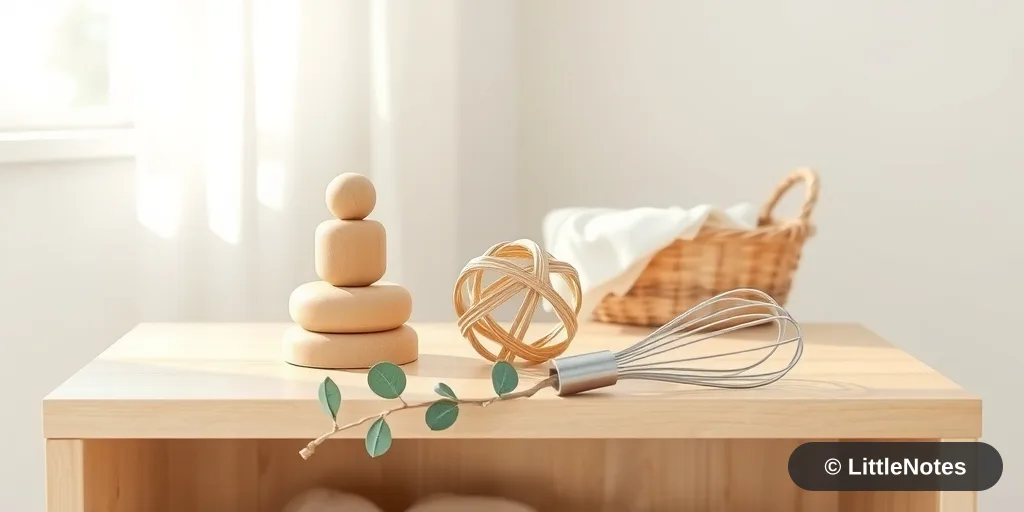
Simple Ways to Implement:
- One at a Time: Start by offering one or two toys at a time. If your baby is still crawling or exploring, placing a few options around them can encourage movement, but avoid dumping the entire toy box.
- Observe and Adjust: Watch what your baby is interested in. Are they trying to throw, bang, or sort things? Use that as a guide for what to rotate in next.
- Encourage Engagement: Instead of just giving the toy, show your baby how to use it. If it's a drum, show them how to hold the stick; if it's a puzzle, help them place the first piece.
- Embrace 'Non-Toys': Babies are often fascinated by household items like coasters, plastic containers, or cardboard boxes. Don’t feel pressured to buy expensive gadgets; open-ended play is often the most engaging.
Remember, your baby's engagement is about discovery. By rotating their environment, you’re helping them deepen their focus and fostering their natural creativity.


Comments