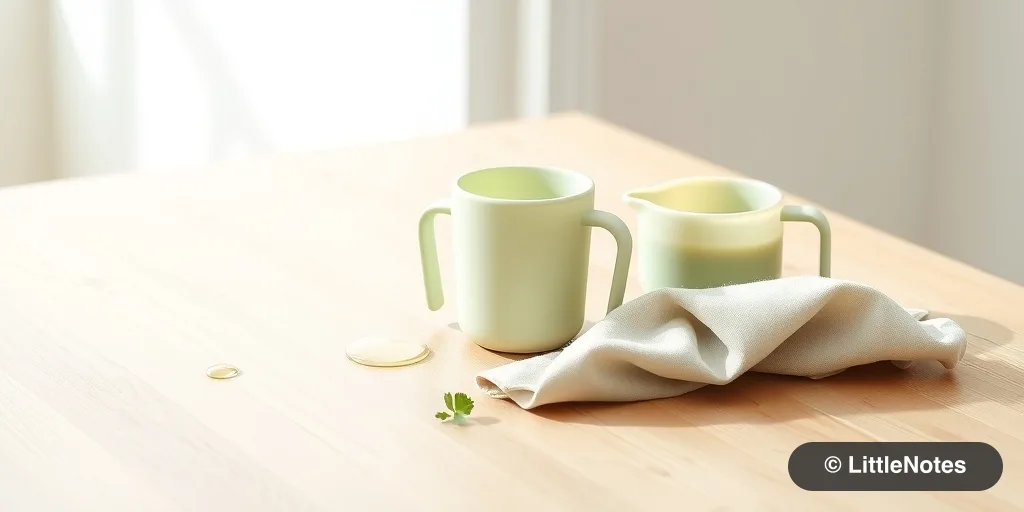
Introducing water is a natural next step once your baby begins solids, but don't be surprised if they aren't immediately enthusiastic. Since breast milk and formula provide most of their hydration, your goal at this stage is simply to build the skill of drinking from something other than a breast or bottle.
The Learning Curve
Many babies struggle with traditional "spill-proof" 360-degree cups because they require significant suction effort. If your baby is frustrated, consider these steps:
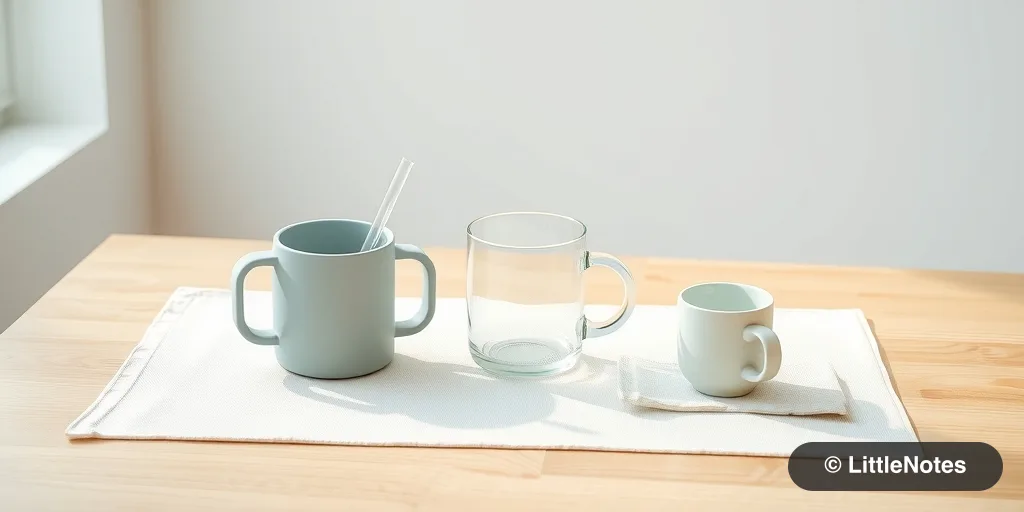
- Try a Straw: Many parents find that a silicone straw cup is easier for little ones to grasp than a standard sipper. Once they master the straw, transitioning to an open cup becomes much easier.
- Start with Open Cups: Using a small, light silicone open cup can help babies learn to tip and sip early on. It might be messy at first, but it builds the correct mouth mechanics.
- Make it Engaging: If your baby turns their nose up at plain water, don't worry. They may still be getting enough fluid through their milk feeds. To spark interest, you can try offering fruit-infused water or simply keep offering sips from your own glass during meals so they learn by imitation.
Tips for Success
- Keep it Simple: Avoid over-complicating the setup. A basic stainless steel or silicone cup is often safer and easier to keep clean than complex plastic spill-proof designs.
- Patience is Key: Development is not linear. Some days they will love their cup, and other days they will prefer to chew on it. That’s all part of the discovery process.
As with all nutrition-related questions, if you have specific concerns about your baby's hydration or fluid intake, your pediatrician is your best resource to ensure they are meeting their needs.


Comments