
Watching your baby navigate the world of solid foods is an exciting milestone, but it often comes with a few hurdles. If your little one seems to struggle with chunky textures or tends to "pocket" food in their cheeks, you aren't alone! Many babies who are used to smooth porridges and purees take a little time to master the art of chewing.
Why the Gag Reflex is Normal
It is completely natural for babies to gag when first introduced to textured foods. This is a normal part of their development as they learn how to manage food in their mouths. Try to remain calm during these moments—your relaxed demeanor helps them feel secure as they explore these new sensations.
Tips for Encouraging Chewing
- Go Gradual: Instead of jumping straight to thick pieces, start by hand-mashing your baby's current favorite foods. Every few days, aim for a slightly coarser texture. This gentle progression helps them get used to moving bits of food around their mouth.
- The Power of Dips: Sometimes, it’s all about making eating fun. Introducing simple dips like dal, yogurt, or mild vegetable purees can make finger foods like parathas, dosas, or steamed veggies more appealing and easier to swallow.
- Chew With Them: Babies are master mimics! Sit with your little one and exaggerate your own chewing motions. It’s a great way to show them exactly how to use their jaws to break down food.
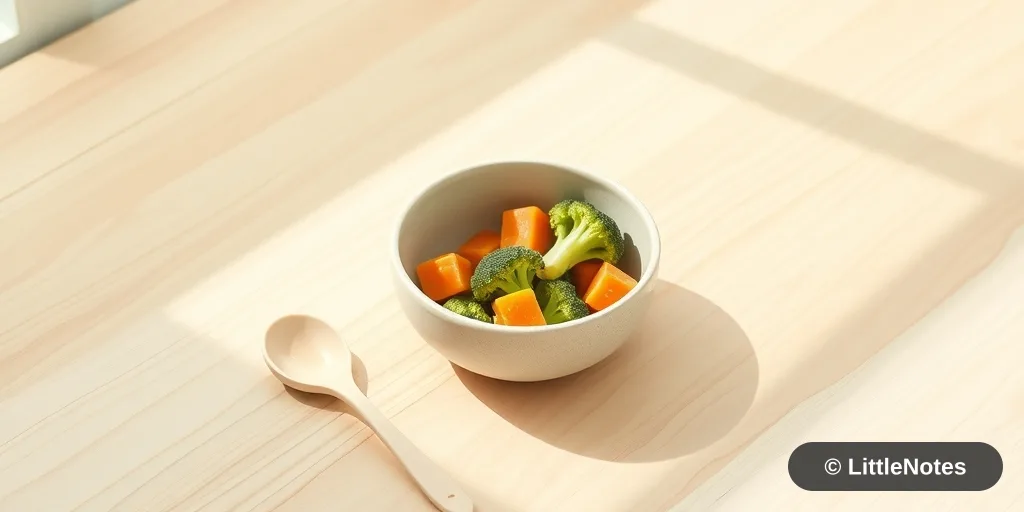
- Use Finger Foods: Encourage self-feeding with easy-to-hold options like paneer sticks, steamed vegetable spears, or soft cutlets. Small, bite-sized pieces are often less intimidating than larger chunks.
- Consistency is Key: Don't worry if they eat a little less while they are learning. Keep offering a variety of textures at every meal. With patience and consistent exposure, they will eventually build the confidence to manage a wider range of foods.
A Note on Safety: Always supervise your baby while they are eating and ensure that all finger foods are soft enough to be easily squished between your fingers. If you have concerns about your baby's growth or persistent feeding difficulties, consult your pediatrician for personalized guidance.




Comments