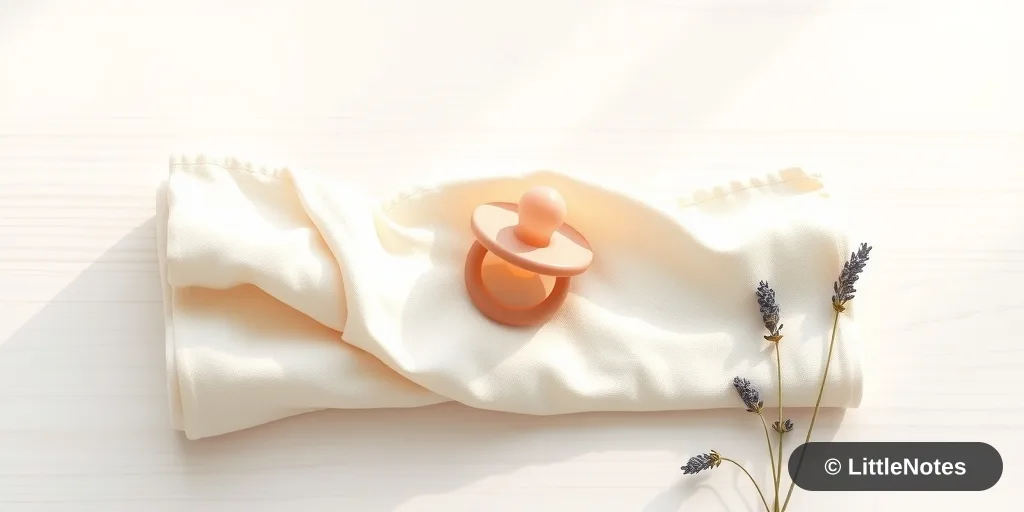
The topic of pacifiers often comes with a lot of conflicting advice. While some medical professionals may express reservations, many parents find them to be a valuable tool for comfort and settling during challenging phases. If you are considering introducing a pacifier, here is how to navigate the decision thoughtfully.
Why Parents Choose Pacifiers
Pacifiers can provide significant relief during moments of inconsolable crying, air travel, or when a baby simply needs to suck to self-soothe. They can be especially helpful for babies who have a high need for non-nutritive sucking but are struggling to latch or are in pain during procedures like vaccinations.
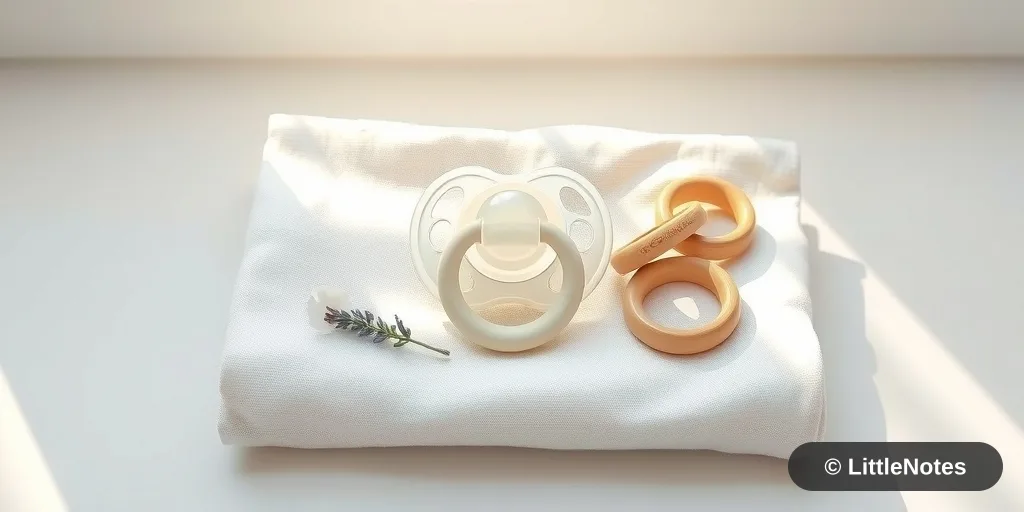
Choosing the Right Pacifier
If you decide to use one, look for:
- Orthodontic shapes: These are designed to minimize the impact on oral development.
- Material and Size: Ensure you are using the size appropriate for your baby's age range.
- Hygiene: Keep multiple pacifiers on hand to ensure you always have a clean one available. Sterilize them frequently.
Tips for Success
- Timing: Introduce it when your baby is calm, rather than when they are already in a state of distress, to help them practice the skill.
- Establish Boundaries: Many parents find it helpful to limit pacifier use to specific times, such as naps or travel, to avoid creating an automatic habit. Using a clip can help prevent it from falling on the floor, keeping it clean while on the go.
- Dependency: Be mindful that as the baby grows, you will eventually need to wean them off the pacifier. This process takes patience and consistency, similar to other developmental transitions.
Disclaimer: Always consult your pediatrician if you have concerns about your baby's oral development or feeding habits. If your doctor advises against a pacifier, have an open discussion about your reasons for wanting one—such as travel or comfort—so you can find the best solution for your family.



Comments