The transition from a baby to a toddler brings a newfound independence that is both exciting and incredibly challenging. If you feel like a switch flipped and your once-cooperative child has become a whirlwind of energy and emotions, you are experiencing the phase often dubbed the 'terrible twos.'
Why the Transition is Hard
Between 18 and 24 months, toddlers are developing their own wills. They are learning to navigate their world but lack the emotional vocabulary to express frustration. This often manifests as running away, refusing to be carried, or testing your boundaries.
Finding the Light at the End of the Tunnel
While the early twos can feel overwhelming, many parents report a shift after the child turns two and a half. As language skills grow, you will find it easier to distract, engage, and reason with your child. The tantrums may not disappear, but they often become more manageable once your child gains a better understanding of the world around them.
Tips for Navigating the Chaos
- Embrace 'Low-Stakes' Movement: When your toddler refuses to be held, give them a safe space to walk. If you are in a risky area (like near a road), a toddler carrier can be a lifesaver for quick transitions, allowing you to keep them safe while keeping your hands free.
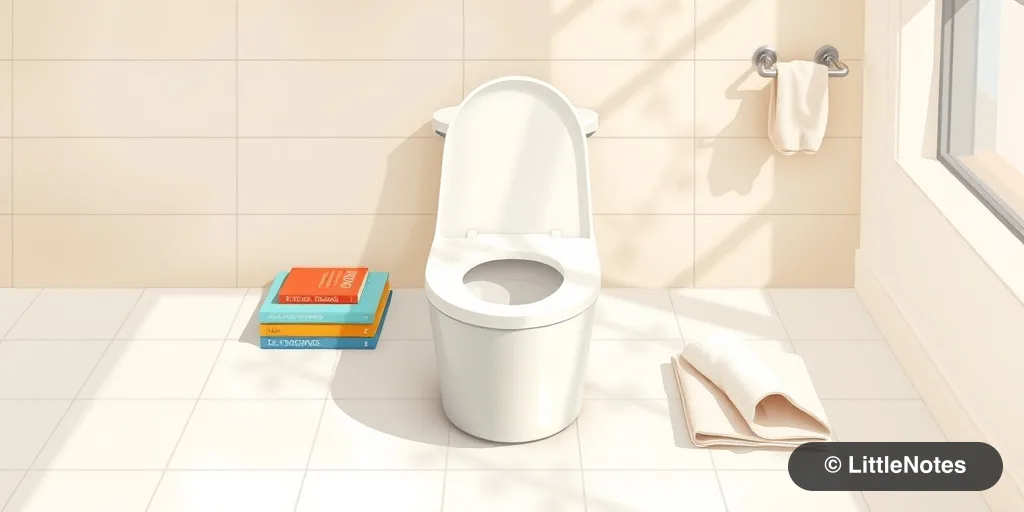
- Make Potty Training a Process: If you are potty training, remember that regression is normal. They may tell you they are going but refuse to use the bathroom. Keep it light, use fun seats or stools, and avoid turning it into a power struggle.
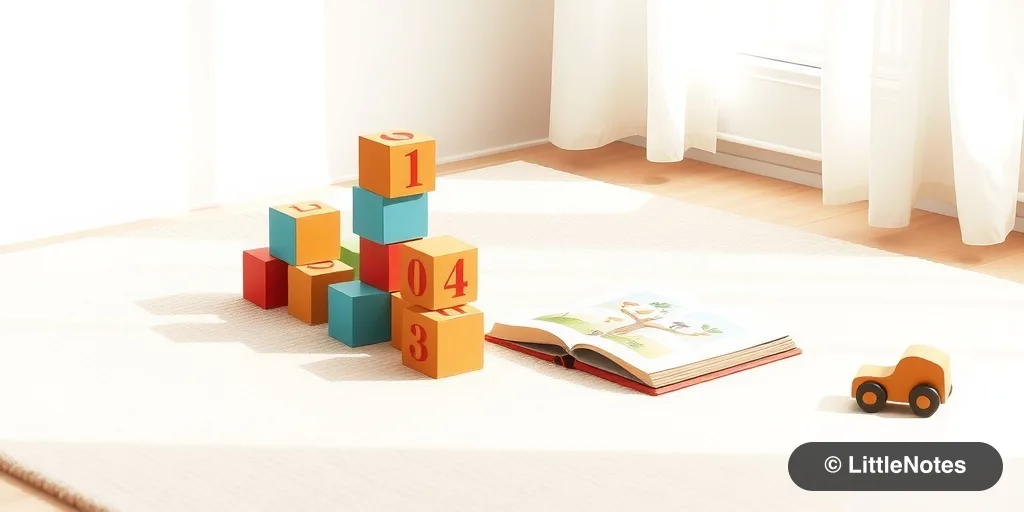
- Choose Interactive Toys: Instead of screen-based or battery-operated toys, look for open-ended play items like Magna-Tiles, Duplo blocks, or sensory-rich household items. These encourage imagination rather than passive consumption.
- Stay Consistent: Boundaries are their security blanket. While it is hard to say 'no' when they are crying, maintaining clear expectations helps them feel safe.
This phase is intense, but remember: you are not failing, and your toddler is not 'bad.' They are simply practicing being a little person. Hang in there—you are doing great.



Comments