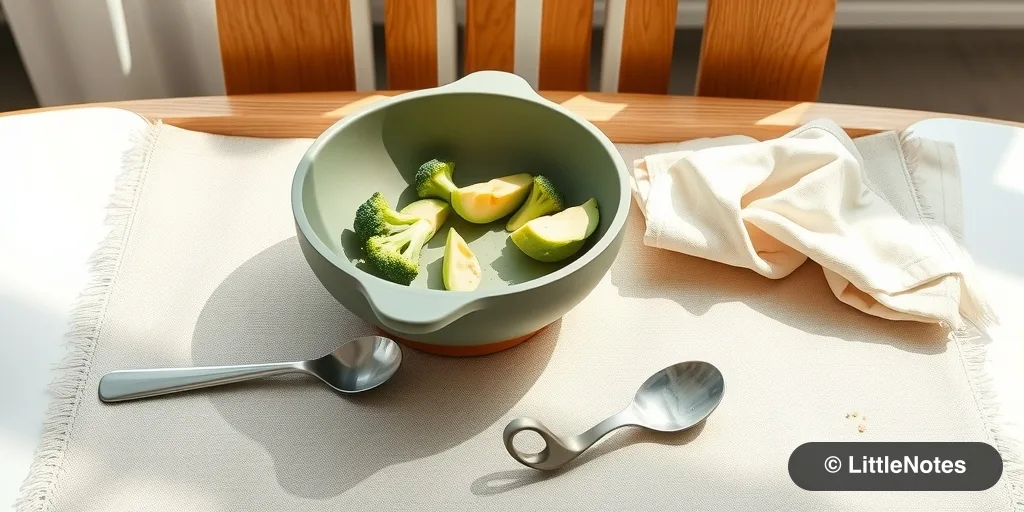
Around the 8-month mark, many parents experience a sudden shift where their once-enthusiastic eater starts clamping their mouth shut, crying at the sight of a spoon, or batting away food. If your little one has suddenly turned into a mealtime protestor, you aren’t alone.
Why It Happens
At 8 months, babies are hitting significant developmental milestones. They are becoming more aware of their autonomy and are often more interested in exploring the sensory experience of food—touching, squishing, and throwing—than actually consuming it. Additionally, this is a prime age for teething, which can make gums sensitive and turn even a favorite snack into an uncomfortable ordeal.
How to Handle the Strike
- Lean into Exploration: If they are resisting the spoon, let them play. Allow your baby to pick up pieces of soft, finger-friendly foods. Even if they don't eat much, the positive exposure helps them build comfort with textures.
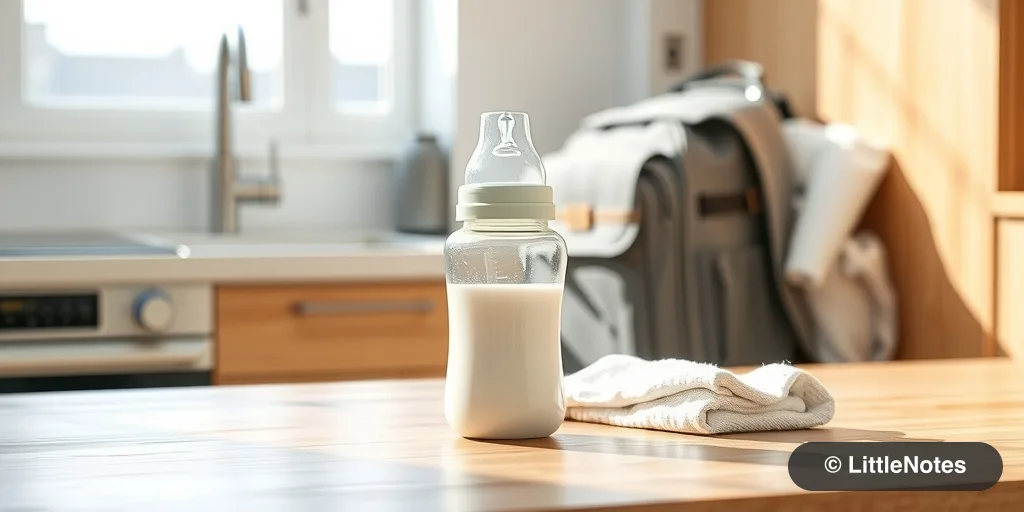
- Maintain the Routine: Continue to offer milk on demand as the primary source of nutrition. The pressure to "get them to eat" can sometimes create a negative association with mealtime. Keep the atmosphere relaxed and low-pressure.
- Check for Teething: If your baby is pressing their gums against a spoon or nipple, they may be looking for counter-pressure to soothe aching gums. Offer a chilled teething ring or a cold piece of fruit in a mesh feeder to provide relief before attempting a meal.
- Keep It Simple: Don't stress about complex recipes right now. Offer simple, familiar favorites, and remember that appetite fluctuations are completely normal.
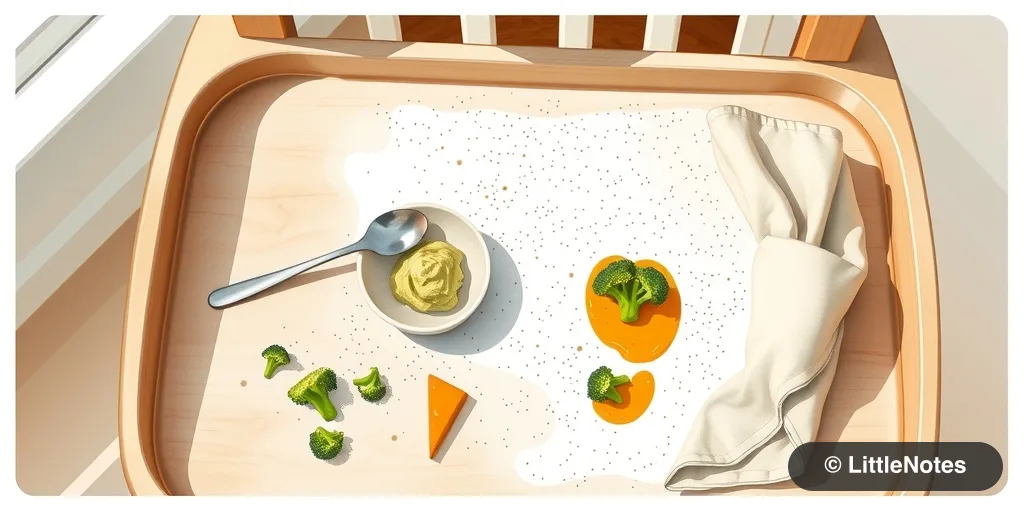
As with all feeding concerns, if your baby appears distressed, shows signs of illness, or if the food strike persists for an extended period, consult your pediatrician to rule out underlying issues. Trust that this phase is temporary—your baby’s curiosity for food will likely return once they’ve mastered these new developmental skills.




Comments