
It’s easy to get caught up in the comparison game, especially when you see other babies sporting a full set of pearly whites while your nine-month-old is still toothless. If you find yourself checking their gums daily, take a deep breath: it is very common for first teeth to appear much later than expected.
Genetics Play a Major Role
Dental development is largely hereditary. If you or your partner were late to teethe, chances are your little one will be, too. It is not uncommon for healthy, active toddlers to get their first tooth anywhere from 9 to 15 months of age. Once the first tooth arrives, others often follow in quick succession, and your toddler may have a full set before you know it.
What to Monitor
While you wait, focus on the big picture:
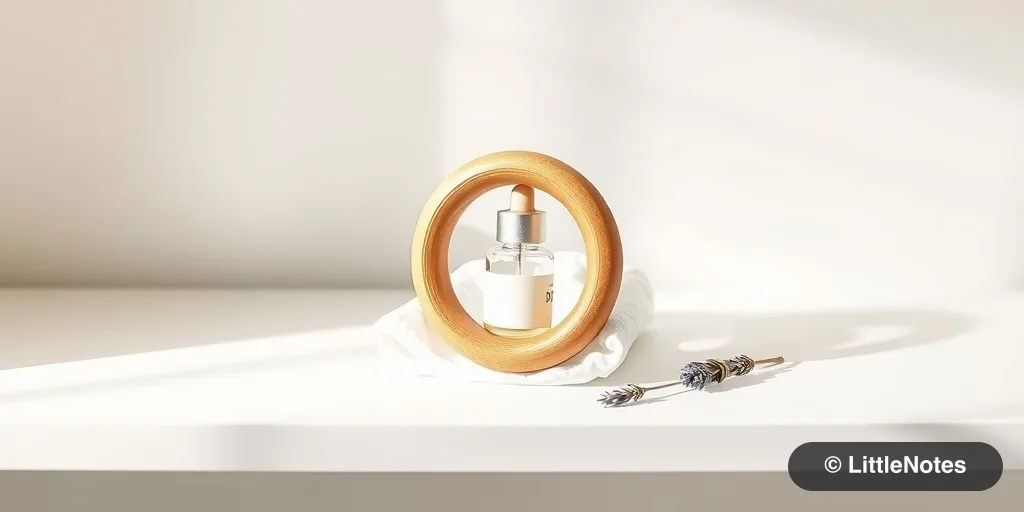
- Supplementation: Ensure your baby is receiving their prescribed Vitamin D3 and any other multivitamins recommended by your pediatrician. These are crucial for bone and tooth development.
- Overall Health: Is your baby hitting their other milestones? Are they active and responding well to their environment? If they are growing well and meeting their developmental markers, the lack of teeth is usually nothing to worry about.
- Pediatric Check-ups: Keep your regular appointments with your pediatrician. They can monitor your baby’s growth and address any specific concerns regarding development.
Remember, every child grows at their own pace. Whether their first tooth pops up at 8 months or 15 months, the most important thing is that they are healthy and happy. If you are ever truly concerned, a quick chat with your pediatrician or a pediatric dentist can provide the peace of mind you need.





Comments