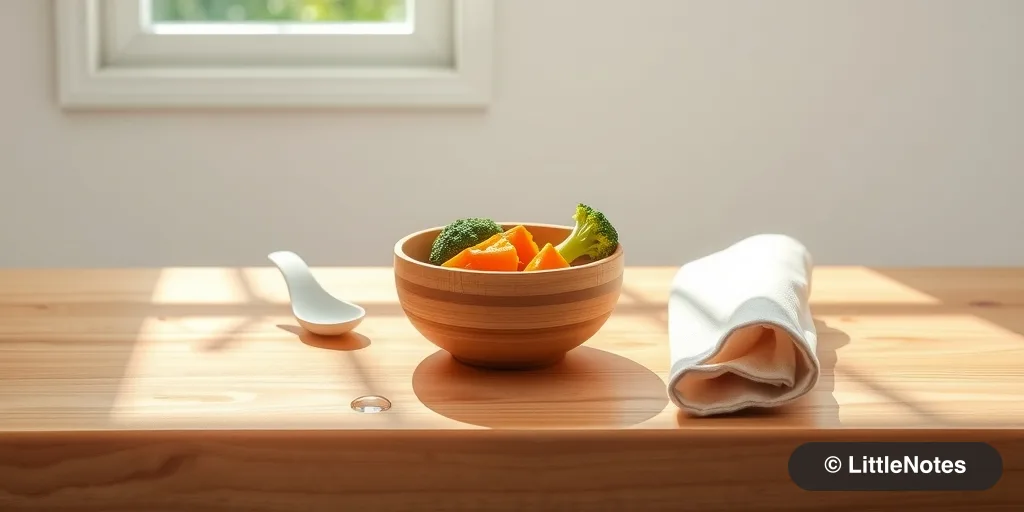
Starting solids is a journey full of excitement, but it’s rarely a straight path. If your baby is suddenly turning their face away, sealing their lips, or refusing to sit in their high chair, you are certainly not alone. It is common for babies around 7–9 months to hit a “food protest” phase, often coinciding with teething or major motor skill milestones like crawling.
Why the Resistance?
Many infants go through periods where they seem uninterested in food. Remember, at this stage, solids are primarily for exploration and learning. Even a single spoonful or a taste here and there is a great start. If your baby is consistently rejecting meals, try these strategies to take the pressure off:
- Model the Behavior: Eat your own meals in front of your baby. They learn by watching, and your calm participation helps make mealtime a positive, social experience.
- Get Creative with Seating: If the high chair is causing a struggle, try letting your baby sit on your lap or on a clean floor mat. The goal is to eat, not necessarily to be strapped into a specific seat. You can gradually transition them back to the high chair once they’ve regained their appetite.
- Master the Timing: Don’t wait until your baby is “hangry” to offer a new food. They are often more receptive to trying things when they are calm and slightly hungry, but not desperate for a milk feed. Try spacing meals at least three hours after their last milk feed.
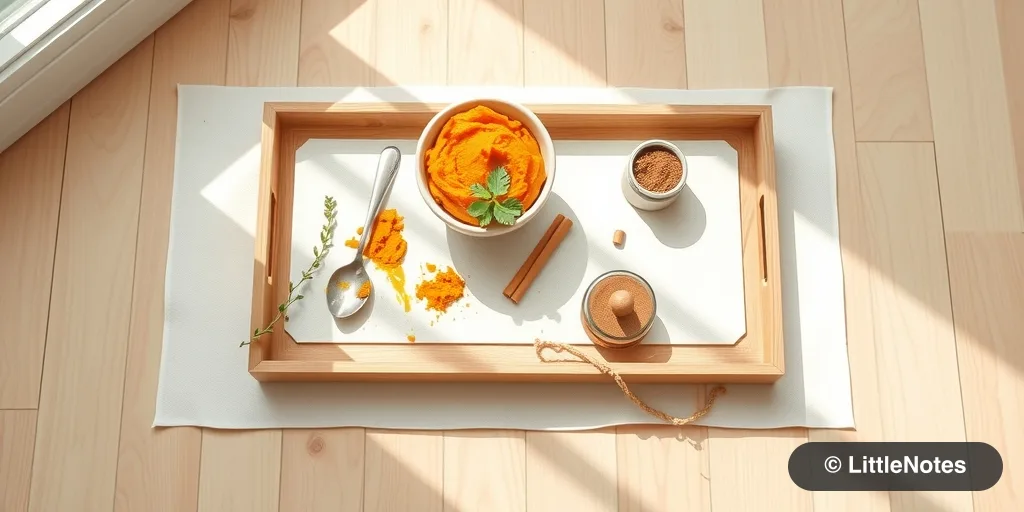
- Flavor Matters: Babies can enjoy flavor! Try adding mild, aromatic spices (like cumin, turmeric, or cinnamon) to their food to make it more interesting. Avoid added salt and sugar, but embrace herbs and spices.
- Let Them Explore: Mess is part of the process. If your baby wants to hold the spoon or touch their food, let them. Providing a “pre-loaded” spoon for them to hold while you offer another can help them feel in control.
A Note on Texture and Safety
If you are worried about choking, focus on textures that are soft and easy to squish between your fingers. Steaming vegetables like carrots, pumpkin, or bottle gourd until they are soft is a great way to start. When introducing finger foods like roti or paratha, ensure they are soft and served in manageable pieces. If you are ever concerned about a specific texture, check a reputable resource like the Solid Starts app for serving guidelines.
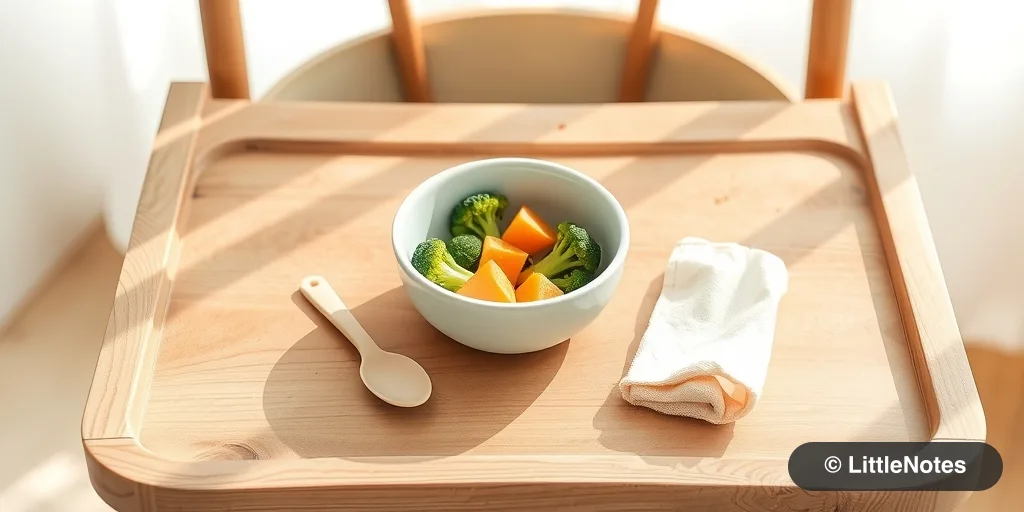
Above all, stay patient. If a meal goes poorly, simply clear the plate without making it a big deal. You can always try again at the next snack or mealtime. If you have concerns about your baby’s growth or intake, always consult your pediatrician for personalized guidance.



Comments