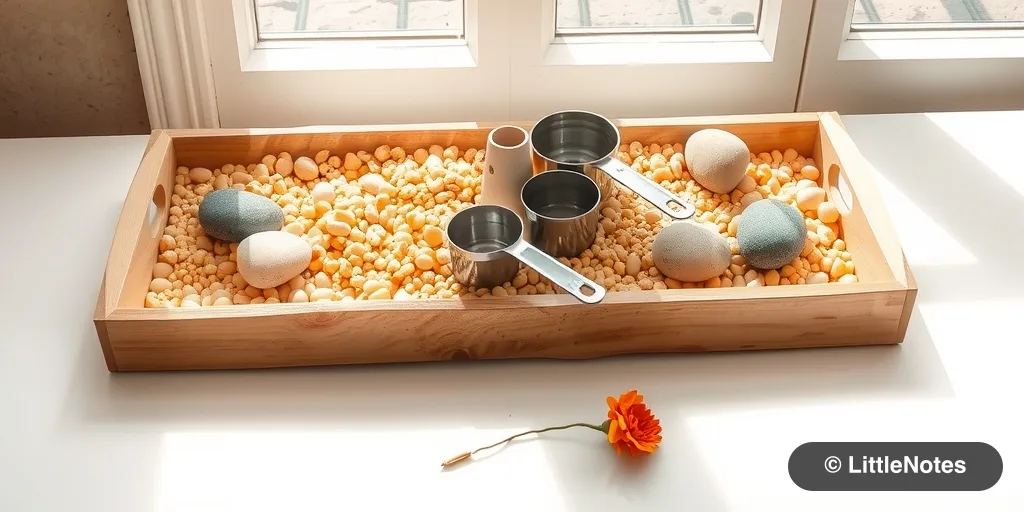
As a parent to a toddler, you are likely always on the lookout for ways to keep those curious little hands busy while supporting their development. You may have heard the term “sensory play” thrown around in parenting circles, but what does it really mean for your child’s growth?
At its core, sensory play includes any activity that stimulates your child’s senses: touch, sight, sound, smell, and taste. Whether it’s squishing playdough, splashing in water, or listening to rhythmic music, these experiences are the building blocks of early learning.
The Benefits of Sensory Exploration
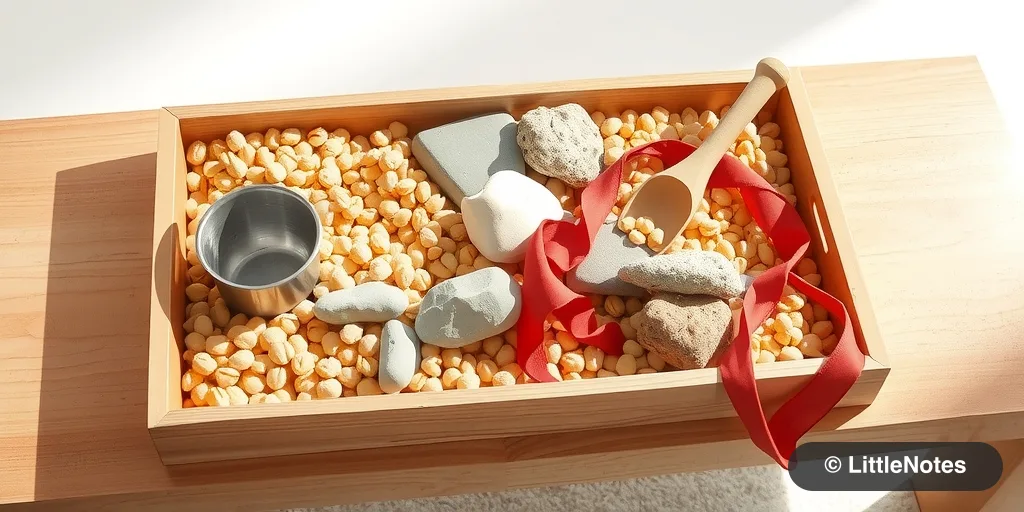
- Brain Development: When children engage with different textures and materials, they build nerve connections in the brain’s pathways. This helps them process complex information more effectively as they grow.
- Bonding Opportunities: Engaging in play together isn't just about the activity; it’s about the connection. Programs rooted in attachment theory suggest that shared play creates a "secure base" for your child, allowing them to explore their surroundings with confidence because they know you are there for support.
- Process Over Product: Often, we get caught up in the "end result" of an activity (like a finished drawing). Sensory play shifts the focus to the process. It’s about the joy of making marks on a page or feeling the grain of a fabric, which encourages creativity without the pressure to produce something perfect.
Practical Ways to Incorporate Sensory Play at Home
You don’t need a specialized program to get started. You can create "sensory safari" moments right in your own living room:
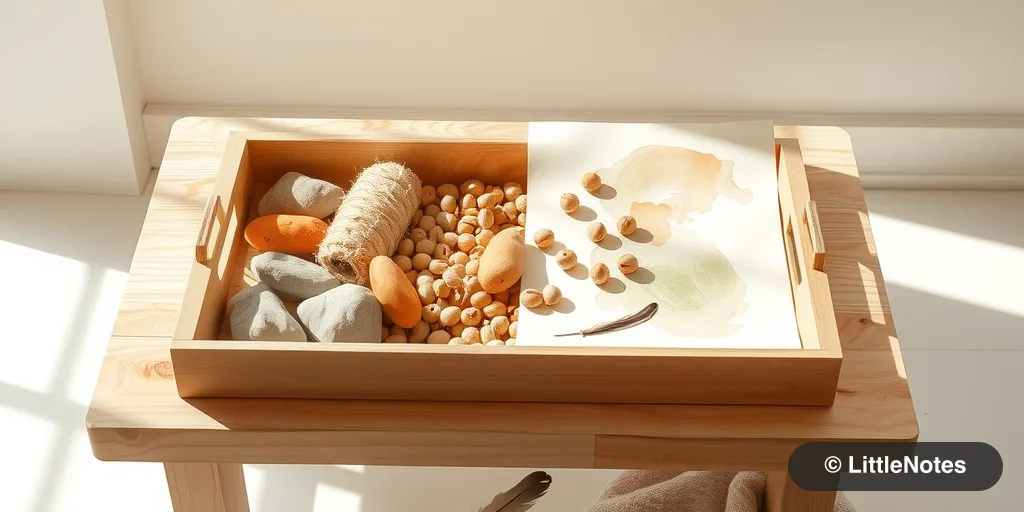
- Theme-Based Exploration: Choose a theme—like "colors" or "textures of the garden"—and spend two weeks exploring it. Use books, fabrics from around your house, and safe food items to help your child experience that theme in different ways.
- Rhythmic Play: Music is a fantastic sensory tool. Incorporate songs, clapping games, or gentle percussion instruments to introduce rhythm and sound.
- Process Art: Provide non-toxic paints or markers and large sheets of paper. Let your child explore how the tools feel and move without dictating what they should draw.
Remember, for toddlers, the world is still brand new. Every time they touch something textured or hear a new sound, they are learning how the world works. Take the time to slow down, observe their curiosity, and join in the fun. It’s not just play—it’s the foundation for a lifetime of learning and a beautiful way to strengthen your bond.



Comments