Community-powered wisdom for first-time parents
Tips on feeding, sleep, milestones, and more — shared by parents who've been there.
Browse tips & articles by topic
Ask questions & share experiences
For younger children in the Whitefield area, consider early learning centers like Neev Whitefield and Kai Early Years.
Before applying, double-check whether a school follows an IB, ICSE, or IGCSE curriculum to ensure it aligns with your family's educational preferences.
Choosing the right environment for your child’s early years is a significant decision. Whether you are looking for a play-based nursery or a structured preschool, the options can feel overwhelming. Here is a guide to help you navigate the process of finding the right fit for your family. Define Your Educational Philosophy Before you start scheduling visits, …
You do not need to grind baby food in a mixer; simply soft-mashing cooked solids with a masher or your hands is sufficient. Providing some texture helps your baby develop their chewing skills and strengthens their gums.
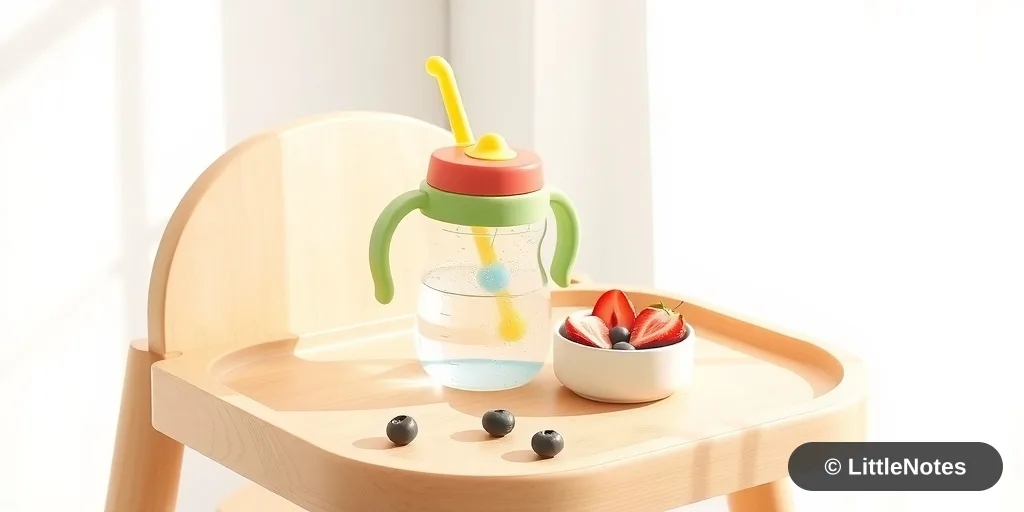
If your baby struggles to drink water, make exaggerated gulping noises yourself while drinking next to them. Babies are often intrigued by this, and it can turn the hydration process into a fun, curiosity-driven activity.
One of the most common questions for new parents is how to encourage their little one to drink more water. It’s a learning process, and just like other developmental milestones, it takes time and patience. Start Simple At 6–7 months, the goal is skill-building rather than total hydration, as breastmilk and formula still provide the bulk of their water intake…
If you don't have a specific bite relief cream, standard diaper rash cream can be an effective and soothing treatment for mosquito bites.
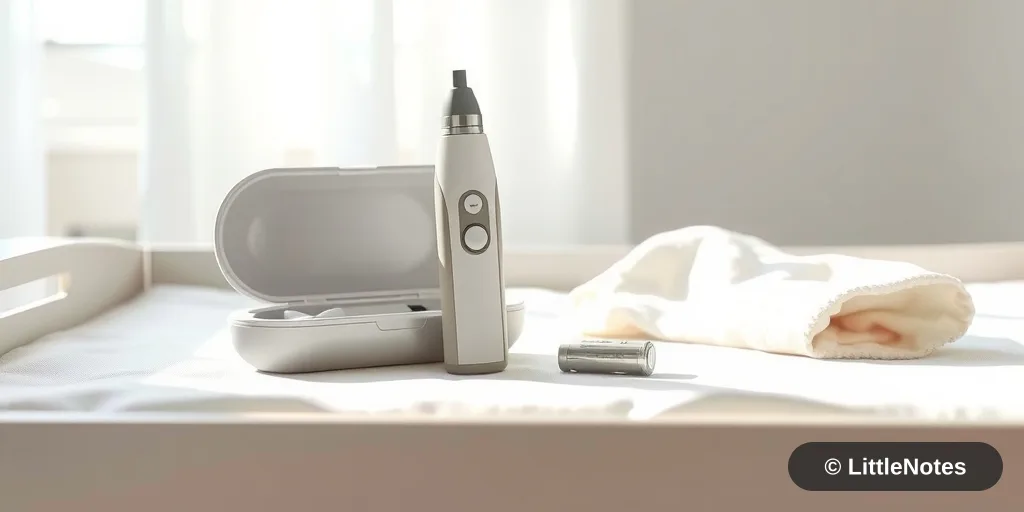
If you find that your electric nail file isn't effectively filing your baby's toenails, ensure you are using fresh batteries, as a weak moto…
If an electric nail file feels weak or slow, replace the batteries with brand new ones. Fresh batteries significantly improve motor performance, making it easier to trim tiny nails.
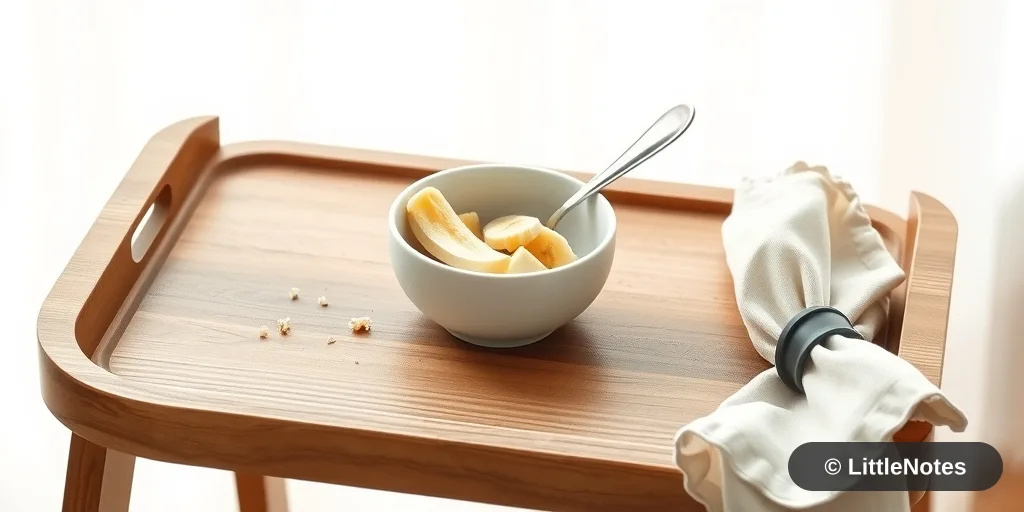
It is surprisingly common for babies to dislike the texture or taste of mashed bananas, often reacting with gagging or spitting it out. Some…
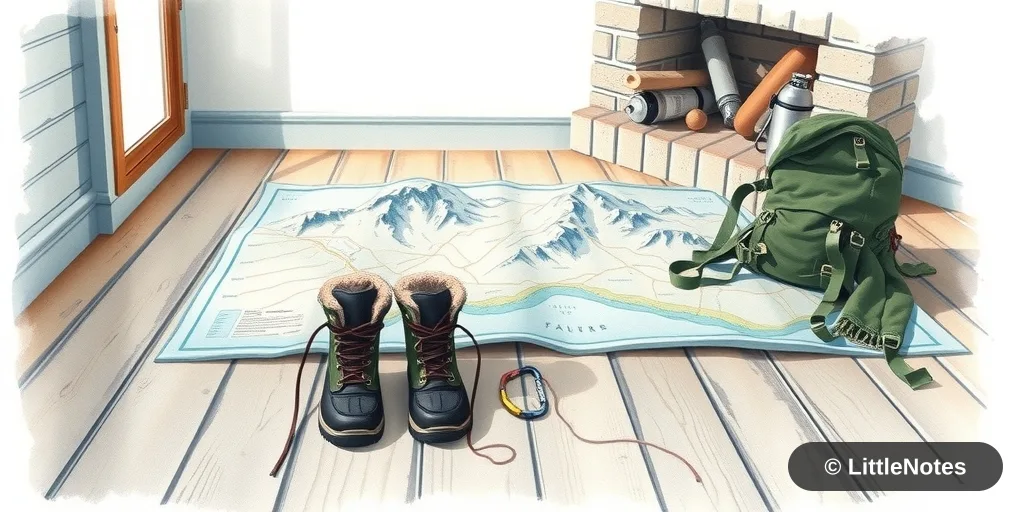
It is strongly recommended to avoid traveling to high-altitude destinations like Leh with a toddler. The environment is extremely taxing eve…
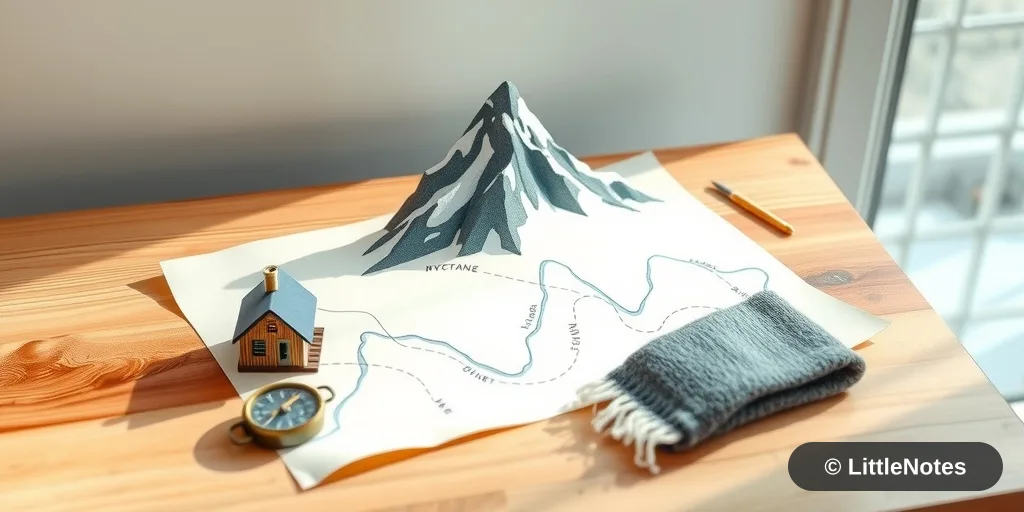
When planning a family vacation, the allure of breathtaking mountain ranges like Leh can be tempting. However, when traveling with a toddler, it is essential to prioritize their safety and comfort. Pediatric experts and experienced travelers overwhelmingly suggest delaying trips to extreme high-altitude destinations until children are much older. High altitu…
When traveling to Bali with a toddler, resorts like the Renaissance in Uluwatu and the Hilton in Nusa Dua come highly recommended by parents…
Traveling to high-altitude regions like Leh can cause severe altitude sickness, migraines, and breathing difficulties in both adults and young children. Experts recommend delaying these trips until children are much older.
Game Theory pools offer swimming classes suitable for school-aged children in the Jayanagar and JP Nagar areas.
If you are looking for swimming instruction in the Jayanagar or JP Nagar area, local community members suggest checking out Game Theory pool…
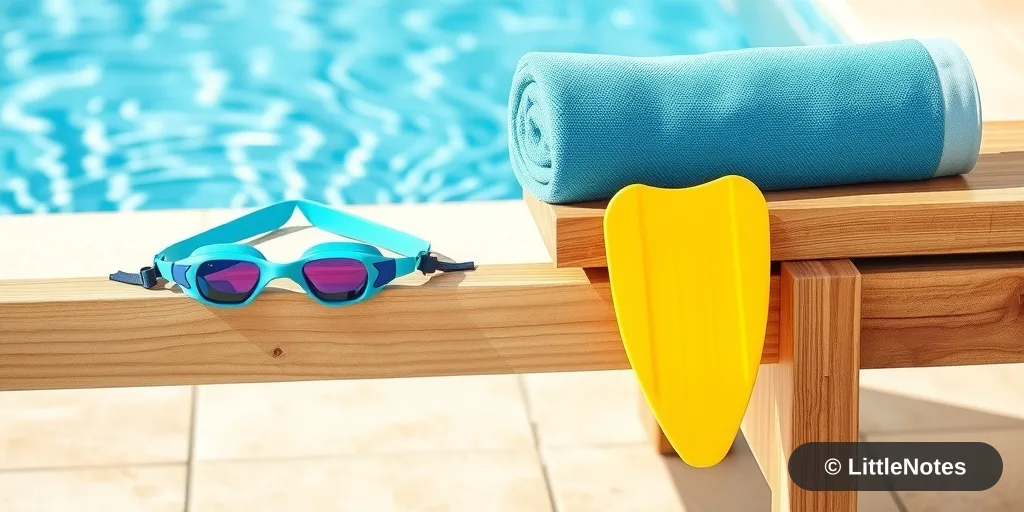
Introducing your child to swimming is one of the most rewarding milestones in their early development. Beyond the joy of splashing around, swimming is a crucial life skill that builds confidence, coordination, and physical strength. If you are starting your search for the perfect swim program, here are a few things to keep in mind to ensure your little one h…
If you are experiencing significant postpartum hair loss, consult with your doctor about blood tests to check for thyroid issues and potential supplements like Follihair.
Trimming your hair to a shorter length can help manage postpartum shedding by reducing the number of knots and the amount of friction during daily styling.
Keep conditioner in your hair for longer during washes to minimize knots and tangling. This reduces the amount of hair lost due to friction during detangling.