Community-powered wisdom for first-time parents
Tips on feeding, sleep, milestones, and more — shared by parents who've been there.
Browse tips & articles by topic
Ask questions & share experiences
Navigating the world of two children under two years of age is a journey of highs and lows. While the prospect can feel daunting, many parents who have walked this path describe it as one of the most rewarding experiences of their lives. Here is what you need to know if you are currently in the thick of it or planning for the future. The Shift in Perspective…
The second time around, parenting often feels easier because you have more experience. You can rely on your previous knowledge to parent from a place of confidence rather than anxiety.
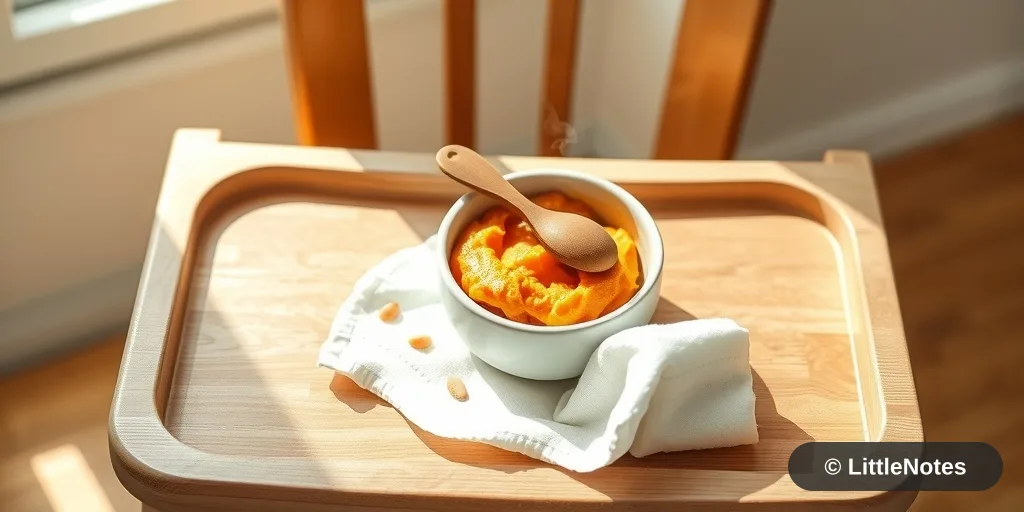
When starting a three-meal plan, offer milk before solids. This ensures the baby remains hydrated and receives necessary nutrients without compromising their primary milk feeds.
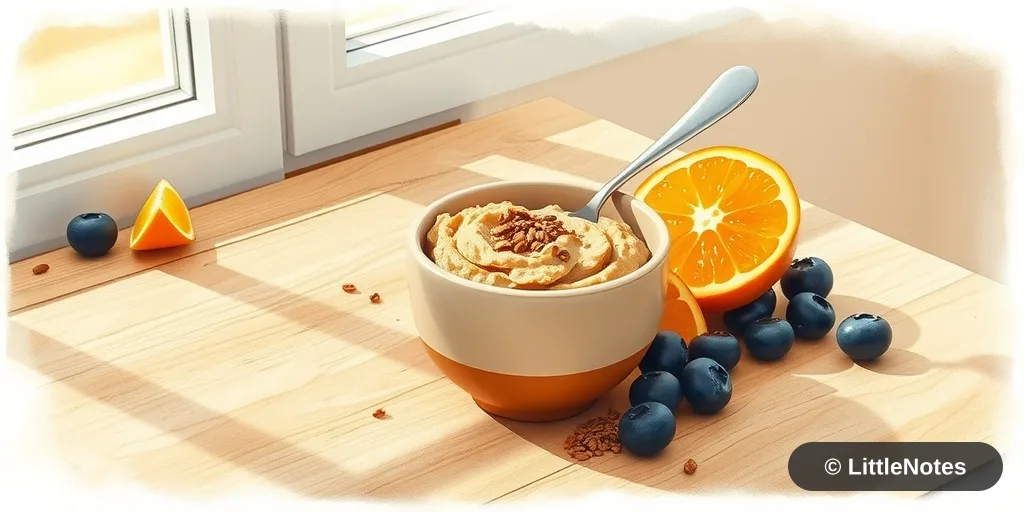
When adding plant-based iron sources like flaxseed or nut powders to your baby's meals, pair them with citrus fruits or berries. The vitamin C helps significantly boost the absorption of the iron.
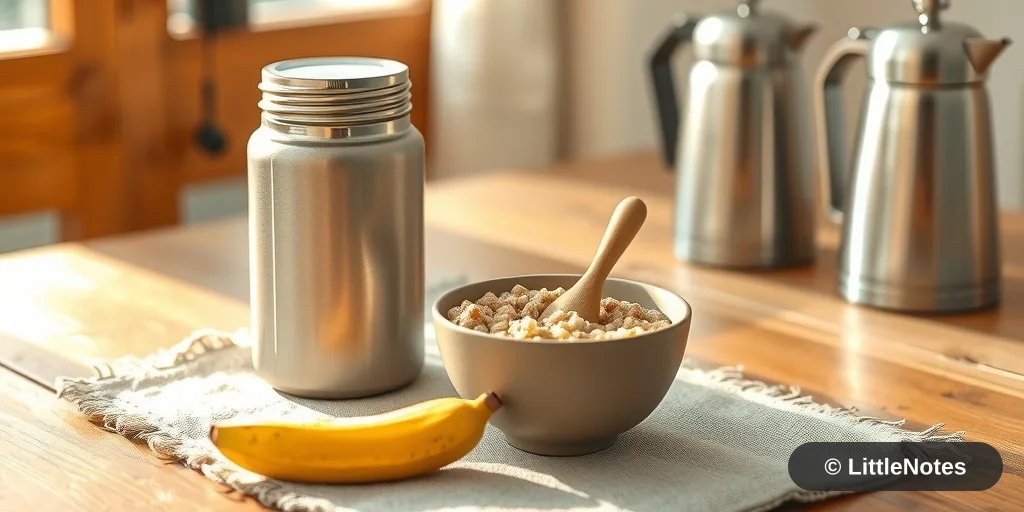
For travel, rely on pre-roasted, powdered meal mixes that only require the addition of hot water to prepare. You can customize these on the go by mashing in fresh fruit or adding powdered nut mixes.
While public clinics may offer vaccinations with just a card, private hospitals generally require a consultation with a pediatrician before administering vaccines.
You can easily create a doctor costume for your child using white paper and instructions found on YouTube.
For babies with a cold and nose block, using a nasal aspirator (snot sucker) after a saline spray is highly effective in clearing congestion and helping them feed and sleep better.
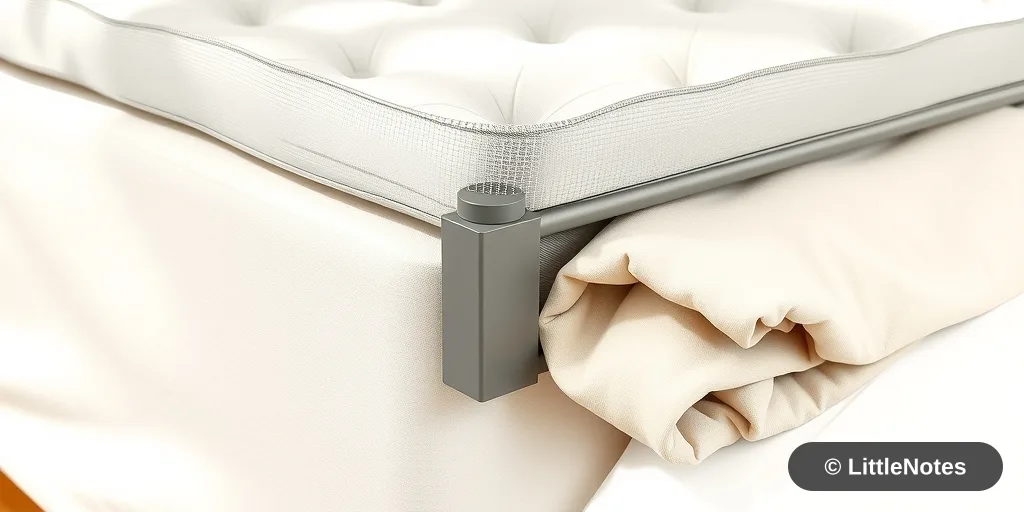
For non-nailed bed rails to remain sturdy, your mattress should have a thickness of at least 5-6 inches. This provides enough weight and friction to keep the rail secure when a toddler leans against it.
For bed rails to be effective and sturdy, especially for a baby who is learning to stand, the bed mattress must have significant thickness (…
Help your baby communicate their needs by using simple hand signs: bring a palm to the mouth to signal "I want more" and shake the palm to signal "I am all done." Consistency in doing this before and after meals helps babies learn the signals quickly.
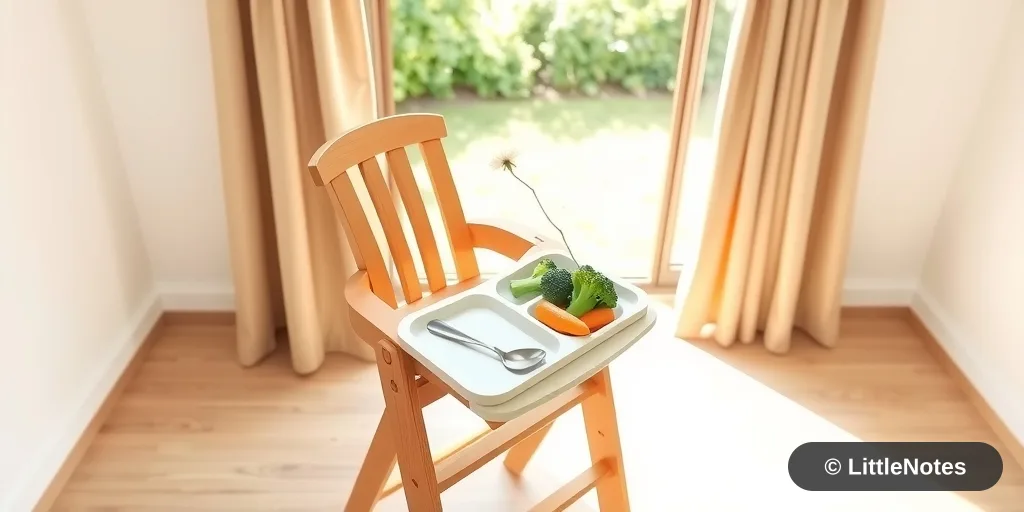
If your baby is fussy during mealtime, try moving their high chair to a new location, such as near a window or balcony where they can watch outdoor activity. A change of scenery can help keep them calm and engaged while eating.
Yes, this is a very common occurrence in infants, often linked to the gastrocolic reflex, which triggers a bowel movement when the stomach i…
Teaching mealtime signs is a wonderful way to reduce frustration for both you and your baby. You can associate a simple gesture, like shakin…
It is not uncommon for toddlers to protest during cleaning, and the cause can vary. It may be a reaction to the sensation of the cleaning me…
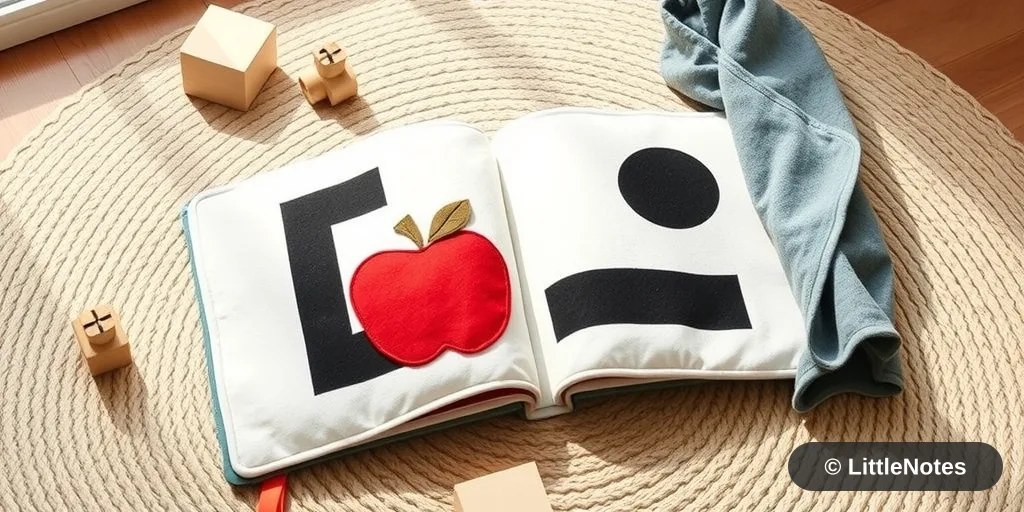
Cloth books with crinkle textures and bright, high-contrast images are highly engaging and safe for infants to handle and explore.
To teach your baby to use a cup or sipper, you can practice the sucking motion by using a medicine dropper to put water in their mouth and encouraging them to imitate sucking.
It is generally recommended to keep a gap of at least one hour between administering vitamin D and iron supplements to ensure proper absorption.
Yes, storing breast milk in the refrigerator is perfectly safe and widely recommended. Freshly pumped milk can be kept at room temperature f…
Pest control can be done with a toddler in the house, but it requires significant safety precautions. It is highly recommended to stay out o…