Community-powered wisdom for first-time parents
Tips on feeding, sleep, milestones, and more — shared by parents who've been there.
Browse tips & articles by topic
Ask questions & share experiences
The transition to a second child is often less stressful than the move from zero to one, primarily because you have already navigated the ea…
Welcoming a second baby often brings a whirlwind of emotions. For many parents, the transition from one to two children feels entirely different from the leap into parenthood that occurs with the first. While you may feel more experienced and confident in your basic baby-care skills, the reality is that each child brings a unique temperament, and the family …
For families concerned about long daily commutes, look for "micro-school" models. These smaller educational settings can often provide a high-quality, comprehensive curriculum through the primary grades while keeping travel times minimal.
When choosing a school, prioritize programs that offer a continuous path from preschool through primary years. This helps children build long-term relationships with teachers and peers without the stress of changing institutions.
Finding a school in Central Bangalore that allows a child to graduate from preschool through primary education can be challenging given the…
During intense growth spurts or sleep regressions, consider having a partner or caregiver give one pumped bottle feed during the night. This allows the primary caregiver to get an uninterrupted block of sleep, which is essential for maintaining sanity and patience.
If your baby begins sleeping on their side due to a blocked nose, it may be their natural way of clearing their airway for better breathing. Monitor them to ensure their nose remains unblocked while they sleep, and they will likely return to sleeping flat on their back once the congestion resolves.
When introducing new foods during a bout of diarrhea, choose light, easy-to-digest options rather than new vegetables or fruits to avoid further irritating the baby's stomach.
For mild diarrhea, the primary goal is preventing dehydration, so ensure you are offering plenty of fluids. Introduce 'binding' foods like w…
Growth spurts often come with frequent, cluster-style feeding and sleep disruptions that can be incredibly exhausting. To protect your well-…
It is common for babies to start rolling onto their sides or stomachs once they develop the motor strength to do so. While back-sleeping is…
Potty training is a developmental milestone that usually begins closer to 18-24 months. While you can introduce the idea or familiarize your…
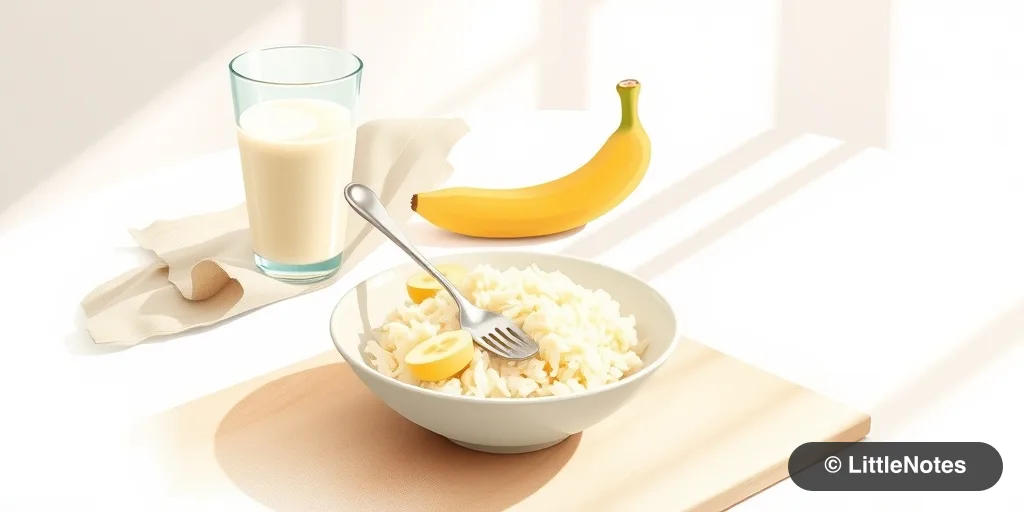
To manage mild diarrhea, focus on binding foods like mashed banana, curd rice, or lassi/chaach without added salt and sugar. Keep the baby hydrated with small, frequent sips of liquids to prevent dehydration.
If you are finding that your joints—especially your fingers, elbows, and knees—feel stiff or ache in the months following delivery, please know you are not alone. Many new parents report this discomfort, and while it can be concerning, it is often a common part of the postpartum recovery journey. Why It Happens During the postpartum phase, your body is still…
If you experience postpartum joint pain, consider incorporating traditional gond laddoos into your diet. These are a nutrient-dense postpartum staple in many regions and can provide relief that complements your regular calcium and iron supplements.
Yes, joint pain in fingers, elbows, and knees is a relatively common experience during the postpartum period due to hormonal shifts, repetit…
When ordering traditional postpartum snacks like gond laddoos online, purchase them directly from the business's website rather than third-party marketplaces. This ensures you receive the freshest batch rather than stock that may have been sitting in a warehouse.
If you don't have access to specialized pumping bras, you can create a DIY version by cutting small slits into a comfortable, well-fitting sports bra to hold your pump flanges securely in place.
The most effective way to improve your experience with a Spectra pump is to use a dedicated pumping bra, which holds the flanges securely in…
For breastfeeding mothers, 1-2 cups of tea or coffee per day is generally considered acceptable. The restriction is often suggested to prevent acidity rather than because of an adverse effect on breast milk, but monitor your baby for any signs of irritability.