Community-powered wisdom for first-time parents
Tips on feeding, sleep, milestones, and more — shared by parents who've been there.
Browse tips & articles by topic
Ask questions & share experiences
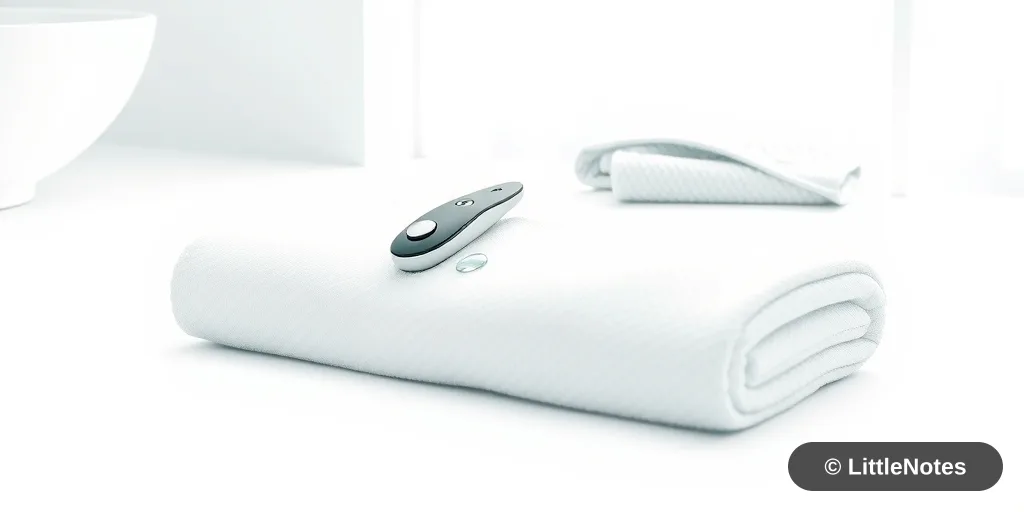
Electric nail trimmers are a gentle, low-stress way to trim tiny nails; using them right after a bath when nails are soft makes the process even easier.
It is common for infants to begin consolidating sleep as they approach one month of age. If your baby has regained their birth weight and is…
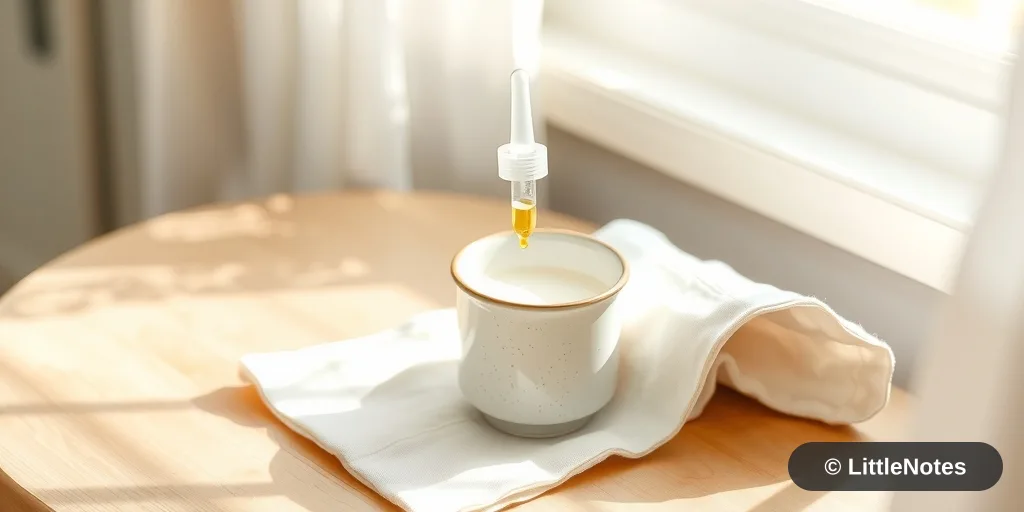
Many babies reject iron drops due to the taste or texture. You can try administering the drops in small quantities into the inner cheek usin…
For most healthy infants, additional calcium supplements are not required as they get all the necessary nutrients from breast milk or iron-f…
If you need textbooks for school-aged children, check your community's basement or dedicated 'book bank' areas in residential towers. Many neighborhoods maintain these shared resources for families to give away or pick up pre-loved materials.
When seeking medical specialists like neurologists or orthopedic doctors, it is often best to start by asking for referrals within your loca…
When hiring help for the postpartum period, a 'jhapa' is typically more beneficial for the first 2-3 months as they assist with the mother's recovery, massage, and hydration. A nanny is more focused on child-care and is better suited once the mother’s physical recovery phase is complete.
To soothe a 4-month-old's teething pain, try offering a clean, knotted handkerchief that has been dampened and chilled in the refrigerator. The cold temperature numbs inflamed gums while the texture is safe and easy for the baby to grasp.
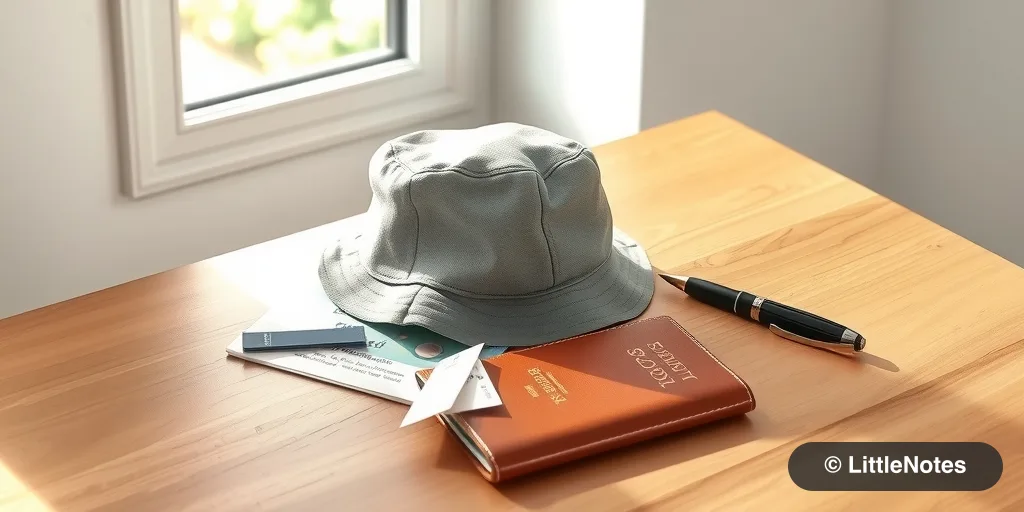
For a standard passport application, you do not need the infant's Aadhaar card; a birth certificate and the parents' passports are sufficien…
No, you do not need expensive, specialized baby food appliances. Standard kitchen tools, thoroughly cleaned, are perfectly adequate. You can…
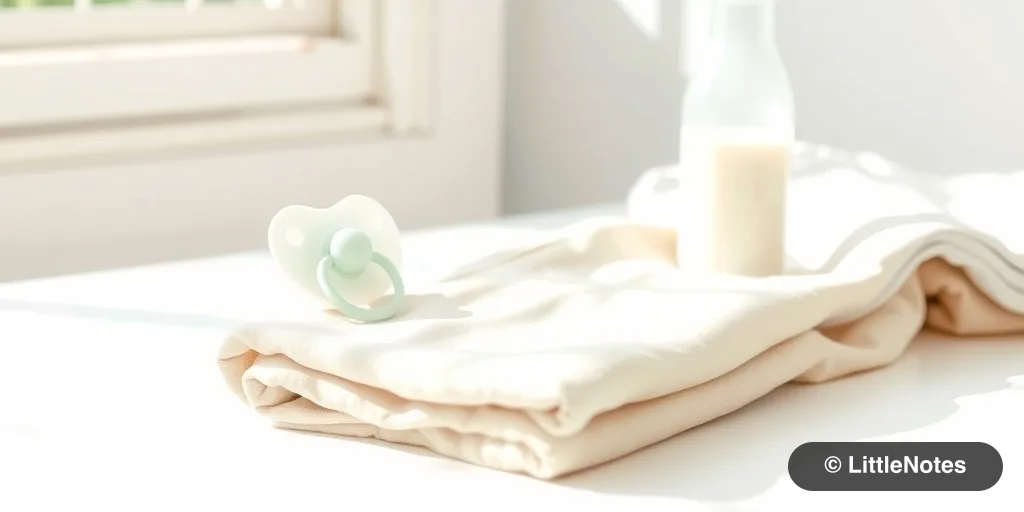
Yes, it is very common for newborns to use nursing or a pacifier to soothe themselves, even when they are not hungry. It is easy to mistake…
If you are struggling with low breast milk supply, prioritize frequent feedings or pumping sessions to signal your body to produce more. Even if the output is small, consistent demand helps the body adapt to the baby’s needs over time.
The primary difference lies in the scope of care provided. A 'Jhapa' (postpartum caregiver) is specifically trained to support the mother’s…
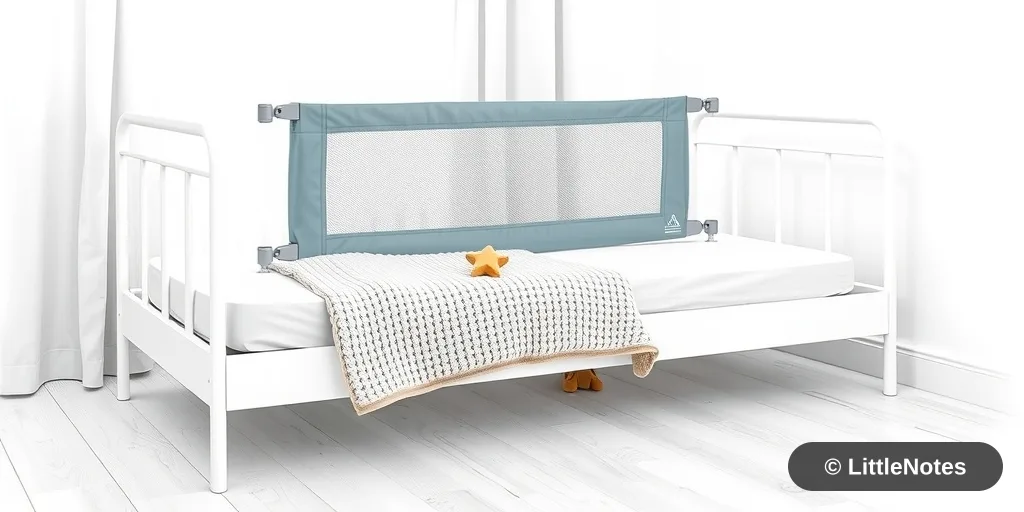
Once your little one starts rolling, the world suddenly feels much smaller—and your bed feels much higher. For many parents, the transition to active rolling makes the prospect of a nap or a night’s sleep feel like a high-stakes game of vigilance. If your baby spends time on your bed, installing bed rails is a practical way to create a secure environment. Ar…
When applying for a baby's passport, you do not need their Aadhaar card; a birth certificate is sufficient for the normal application route. Ensure at least one parent's passport has the spouse's name endorsed to simplify the documentation process.
Bed rails are an essential safety addition once your baby begins rolling. Look for models that lock securely from both the top and bottom to ensure the barrier remains sturdy and does not lean or wobble.
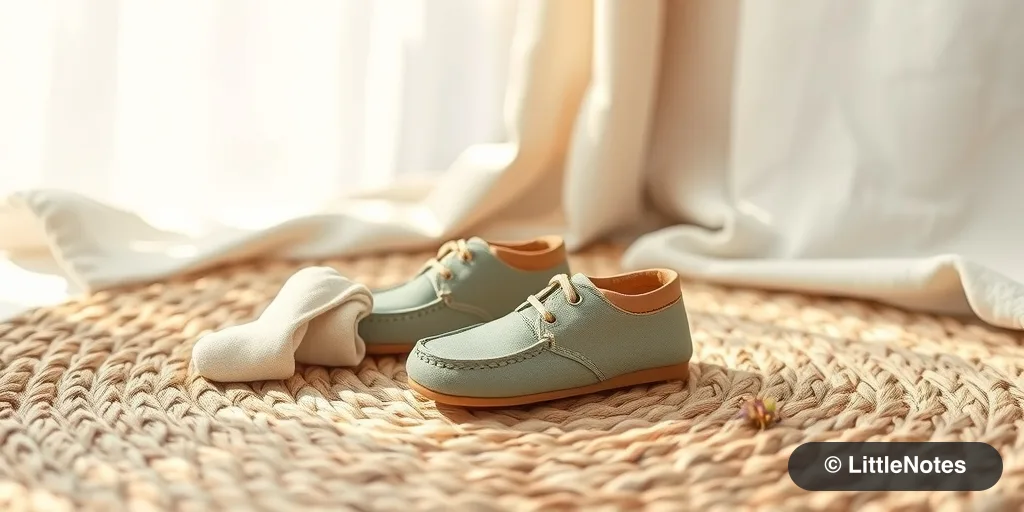
Shoes are not required for babies until they begin walking outdoors. Before that, shoes can actually hinder the natural development of the f…
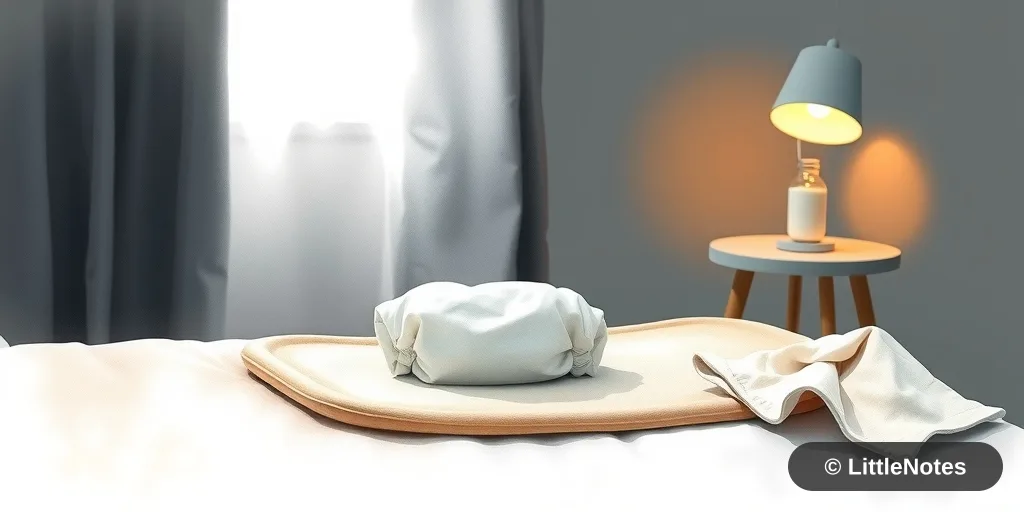
To minimize disruption during a midnight diaper change, keep the environment dim and maintain a 'no eye contact' policy. If your baby starts…
Getting your little one’s first passport is a big milestone, but it doesn’t have to be a source of stress. Many parents find themselves tangled in conflicting information regarding documentation, particularly the necessity of the baby’s Aadhaar card. Do You Need an Aadhaar Card? In most cases, an Aadhaar card for your infant is not required unless you are ap…
If your baby is suckling for comfort rather than hunger, try offering a pacifier to soothe them. If they are overfeeding and spitting up, gently remove the pacifier once they have calmed down to prevent them from taking in too much milk.