Community-powered wisdom for first-time parents
Tips on feeding, sleep, milestones, and more — shared by parents who've been there.
Browse tips & articles by topic
Ask questions & share experiences
Has your baby suddenly started blowing bubbles, spitting out food, or rejecting meals they previously loved? If you’ve encountered the dreaded "phu-phu" phase, you are definitely not alone! It can feel exhausting when mealtimes turn into a battle of wills, but this behavior is very common throughout the toddler years. What’s happening? Often, this isn't abou…
Managing a mountain of plush toys can be a challenge, but many parents swear by using an empty bean bag cover as a storage solution. Simply…
If you notice wax buildup in your toddler's ears, it is best to consult your pediatrician before attempting any home remedies. While some do…
When visiting popular flower shows or large exhibitions on weekends, avoid the main crowded exhibit areas. Enjoy the surrounding park space instead to ensure a safer and more relaxing visit with young children.
For a true day of relaxation, many parents recommend larger luxury hotels that offer comprehensive spa packages. These facilities often incl…
Does your living room currently look like a toy store exploded? If you are struggling to manage a mountain of soft toys, you aren’t alone. Many parents find that traditional toy boxes become "black holes" where items get lost or broken. A popular and practical solution is using a decorative bean bag chair cover without the filling. By stuffing your child’s s…
Look for local children’s theater performances specifically designed for toddlers. These events provide engaging, age-appropriate entertainment during weekends.
Use a bean bag cover without filling to store your child's soft toy collection. It keeps them tidy, out of the way, and prevents dust buildup while remaining accessible for playtime.
High-end hotels often offer day-use spa packages that include access to saunas, jacuzzis, and plunge pools, providing a perfect opportunity for self-care.
For toddlers who enjoy building, look for dedicated brick or Lego play centers. These spaces offer great sensory and creative engagement for children around three years old.
It is completely normal to feel worried when your once-independent eater suddenly loses interest in food after a bout of sickness. Recovering from a viral infection takes a toll on a toddler’s body, and a decrease in appetite is a very common side effect. Why does this happen? Just like adults, toddlers may need time to regain their strength and digestive co…
Many parents find that weight loss is particularly slow while breastfeeding due to hormonal influences like prolactin, which can cause the b…
When a toddler is recovering from illness, prioritize feeding them their favorite healthy foods and fluids to maintain hydration and comfort rather than worrying about strict nutritional balance.
Rather than attempting a complete lifestyle overhaul, implement small, sustainable changes in diet and exercise to avoid burnout while managing the demands of parenthood.
If you are new to making thin pancakes or chillas, using a non-stick tawa can help you build confidence and achieve better results while cooking.
You can use a rotation of healthy fats including ghee, cold-pressed mustard oil, groundnut, olive, sesame, and sunflower oil. If using musta…
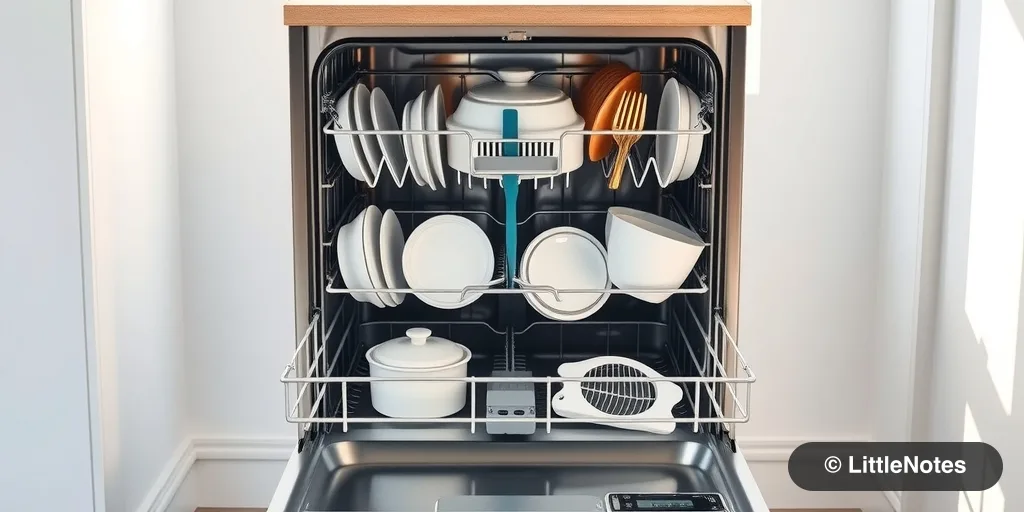
Select a dishwasher model that includes a third top rack; this design eliminates the need for a bulky spoon basket and provides extra space for small bowls and cutlery.
Investing in major kitchen appliances like a dishwasher is a big decision for a growing family. When researching models, many parents suggest looking for features that maximize efficiency. For instance, opting for a model that includes a dedicated third rack or drawer for cutlery can be a game-changer. It not only frees up significant space in the main racks…
For important documents like visas, visit a professional photo studio rather than relying on kiosks. They are better equipped to handle strict dimension and lighting requirements.
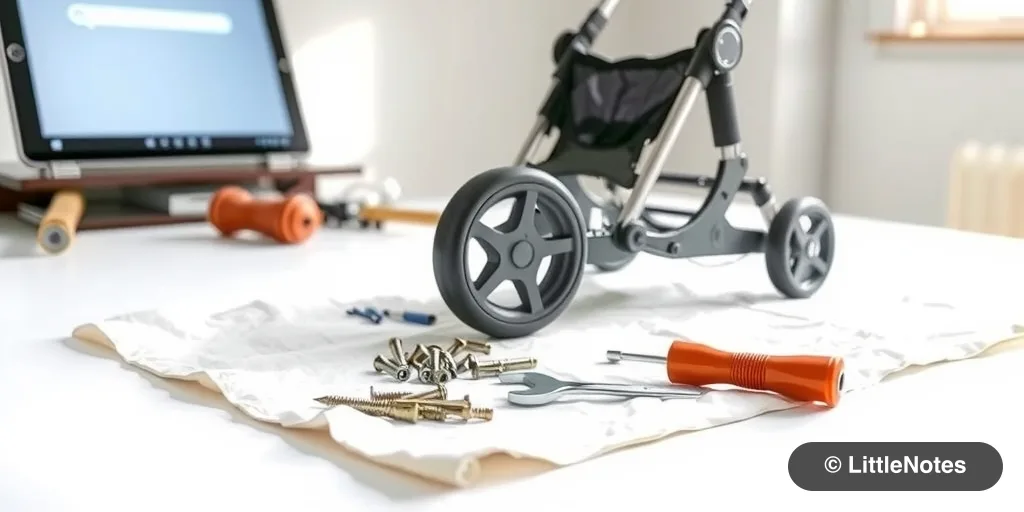
Always search for the market price of spare parts online before hiring a repair person. This helps you negotiate fair labor rates and prevents being overcharged for simple fixes.