Community-powered wisdom for first-time parents
Tips on feeding, sleep, milestones, and more — shared by parents who've been there.
Browse tips & articles by topic
Ask questions & share experiences
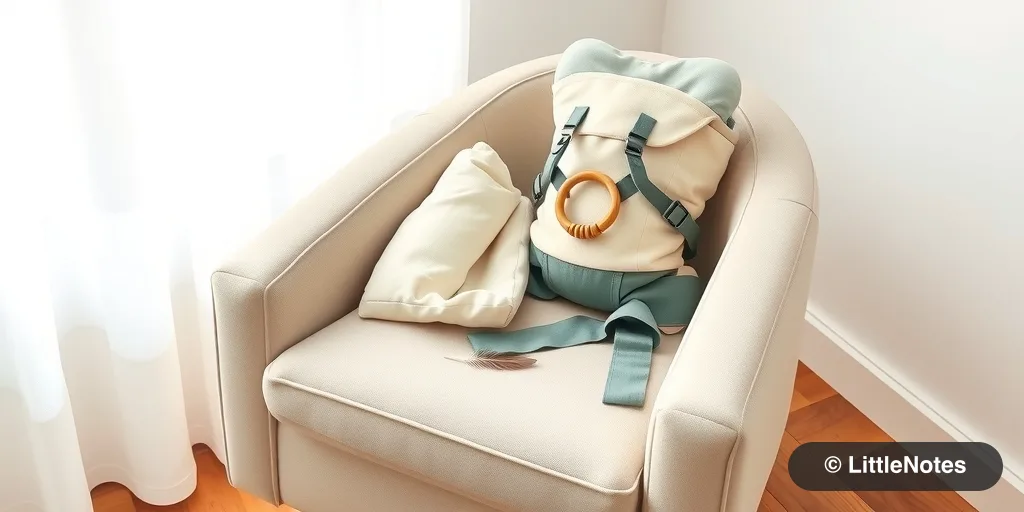
Baby-wearing is a wonderful way to keep your little one close while keeping your hands free, but it isn’t always love at first sight. If your baby protests when placed in a carrier, you are not alone! It is common for babies to need time to adjust to the sensation of being contained. Tips for Success Start Small: Don't expect your baby to stay in the carrier…
Transitioning back to work while caring for an infant is a significant milestone. It is completely normal to feel apprehensive about juggling meetings while your baby is still navigating their nap schedule and experiencing separation anxiety. The good news? Babies are incredibly adaptable, and with a few strategies, you can find a rhythm that works for your …
Using consistent wake windows and a predictable daily routine helps babies adapt quickly and allows caregivers to manage their own work commitments effectively.
Establish a short, positive goodbye ritual before leaving your baby; it helps them understand your routine and provides comfort that you will return.
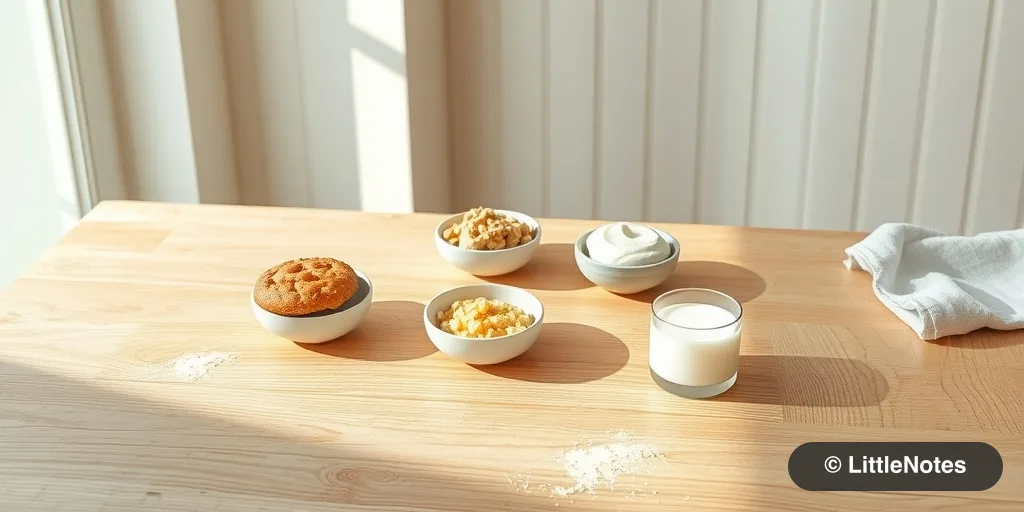
When introducing dairy after age one, follow a medical milk ladder approach, slowly introducing processed dairy before moving to direct milk to monitor for reactions.
Many first-time parents dive into 'gentle parenting' with the best intentions, aiming to replace shouting with a soft, steady voice. However, a common pitfall occurs when parents confuse gentleness with passivity. If you find yourself repeating instructions ten times while your toddler ignores you, you might be falling into this trap. The Need for Leadership…
Gentle parenting doesn't mean being passive; it actually requires firm and consistent leadership. Children feel safest when they know exactl…
Maintain clear and consistent limits to provide a sense of stability for your child, as calm authority is more effective than passive repetition.
You can acknowledge your child's disappointment or frustration while still holding a firm boundary; big feelings are welcome, but harmful behavior is not.
Postpartum leg and back pain can sometimes be linked to elevated blood pressure; speak with a professional to rule this out and manage it with diet or medication if needed.
If you are experiencing persistent leg or heel pain months after your c-section, you are certainly not alone. While backaches are commonly discussed in the postpartum period, aches and weakness in the lower extremities can be surprising, especially if you have maintained an active lifestyle. Many parents find that physical recovery involves more than just th…
If you experience lingering leg and heel pain postpartum, consult your doctor about supplementing with calcium, iron, and vitamin D to help alleviate discomfort.
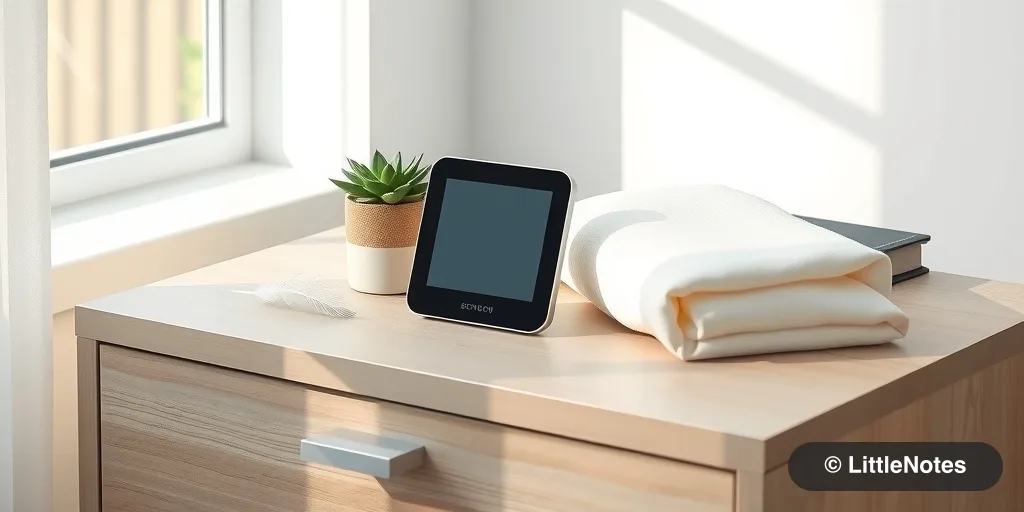
Place a digital temperature sensor near your baby’s sleeping area to monitor fluctuations and ensure the environment remains consistent and safe.
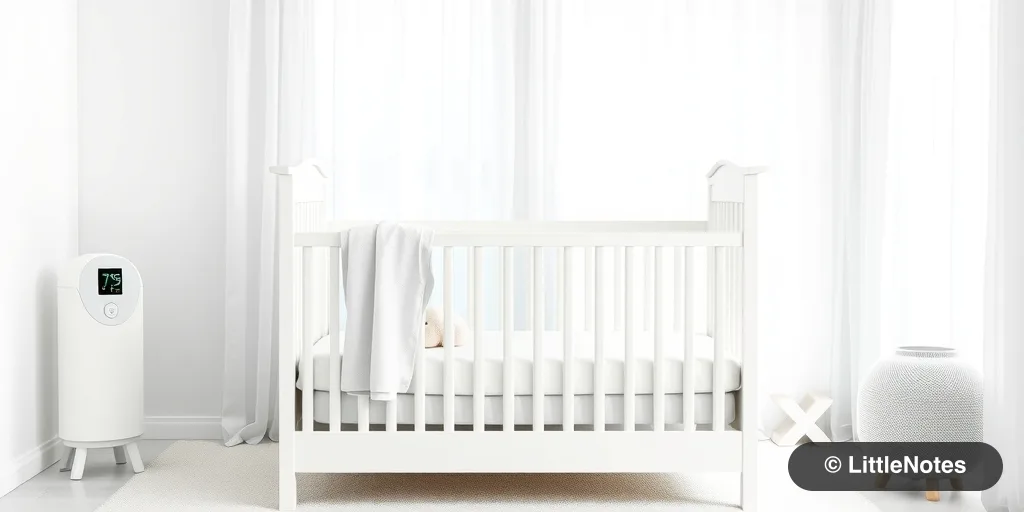
Keep your baby's room between 22-24 degrees Celsius when using air conditioning. Ensure the bassinet is placed away from direct airflow from vents or fans.
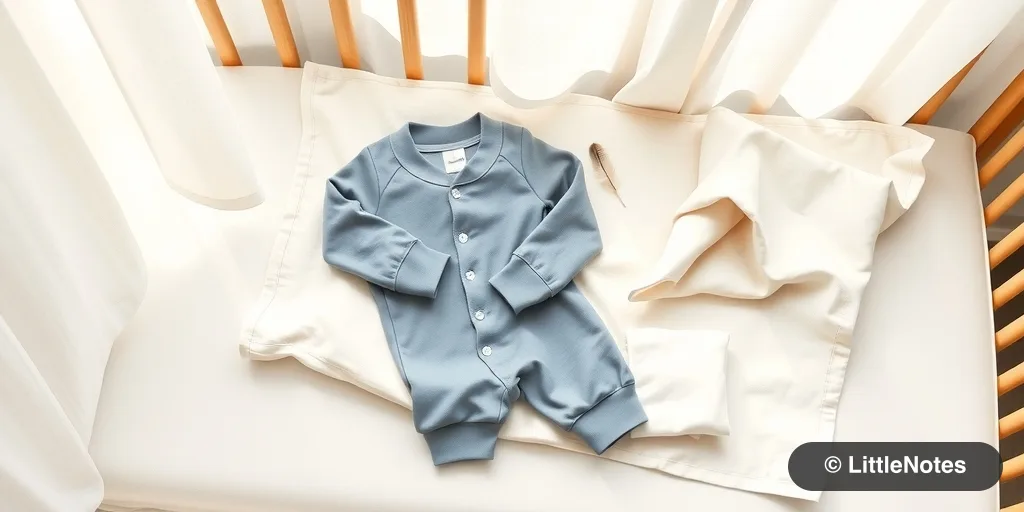
When dressing your baby for sleep, a good rule of thumb is to provide one more layer of clothing than you are wearing to keep them comfortable.
Running a humidifier alongside your air conditioner prevents the air from becoming too dry, which is more comfortable for your baby.
Many parents wonder if it is safe to use air conditioning for their infants, especially when trying to create a consistent sleep environment or combat hot, humid nights. The consensus among experienced parents is that using AC is perfectly safe, provided you follow a few simple guidelines to keep your little one comfortable and healthy. Setting the Right Env…
For a first birthday, prioritize fabrics that are soft, breathable, and gentle on delicate skin, such as cotton or linen. Look for retailers…
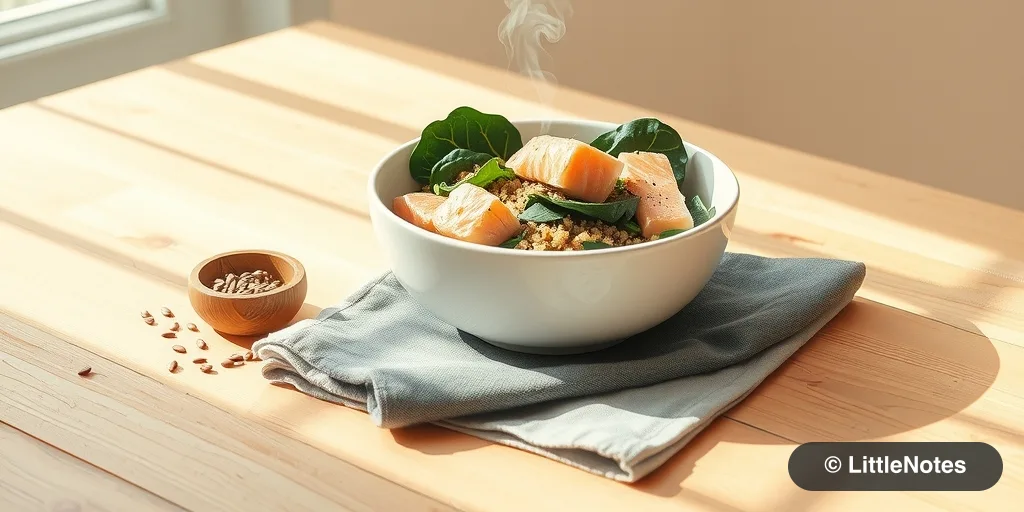
Many postpartum parents struggle with fatigue because they are not consuming enough protein. Focus on balanced, high-protein meals to help maintain energy levels while caring for a young child.
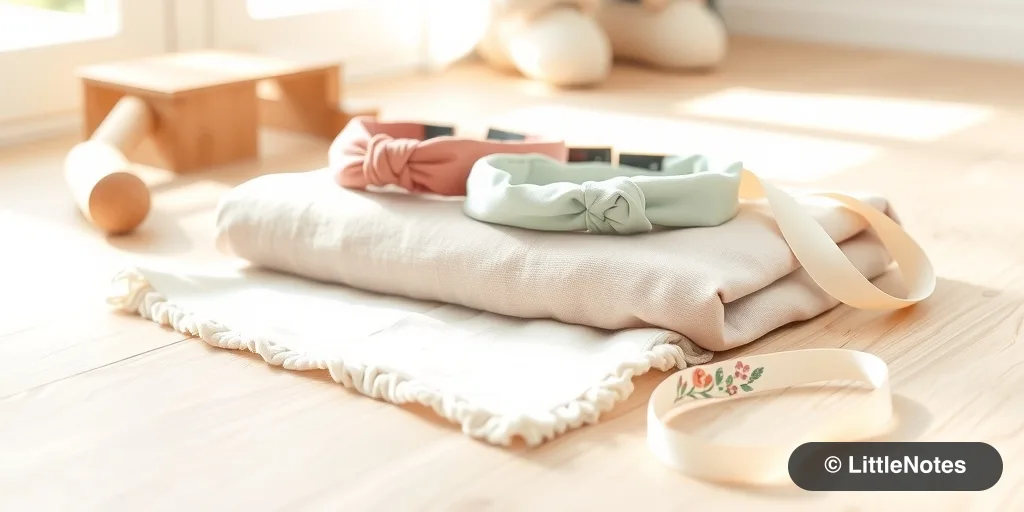
It is notoriously difficult to keep accessories on active toddlers! Try looking for soft, stretchy nylon headbands that are gentle on the sc…