Community-powered wisdom for first-time parents
Tips on feeding, sleep, milestones, and more — shared by parents who've been there.
Browse tips & articles by topic
Ask questions & share experiences
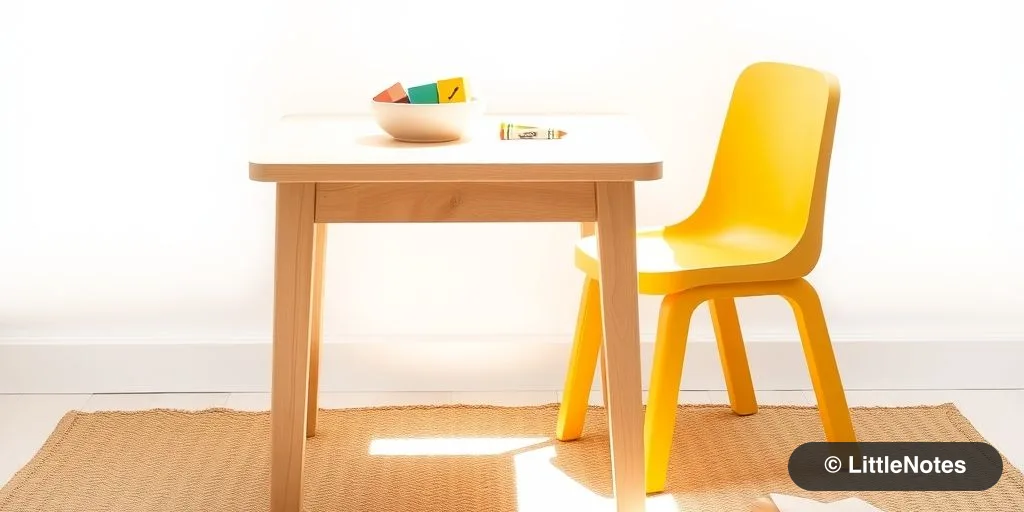
Setting up a dedicated workspace for your toddler is a great way to encourage independent play, art time, and snack breaks. When it comes to choosing the right furniture, one of the most common debates among parents is whether to invest in classic wooden sets or opt for lightweight, durable plastic alternatives. The Case for Plastic Many parents lean toward …
Looking to get out of the house with your little one? Bangalore is surprisingly full of vibrant spaces perfect for toddlers, whether you’re looking for a quiet nature walk or a high-energy indoor play area. Finding the right spot can make all the difference in a successful day out. Exploring the Outdoors If your toddler needs room to run, the city offers sev…
Bangalore offers a wide variety of toddler-friendly spaces across the city, ranging from parks and lakes to indoor soft-play areas. Popular…
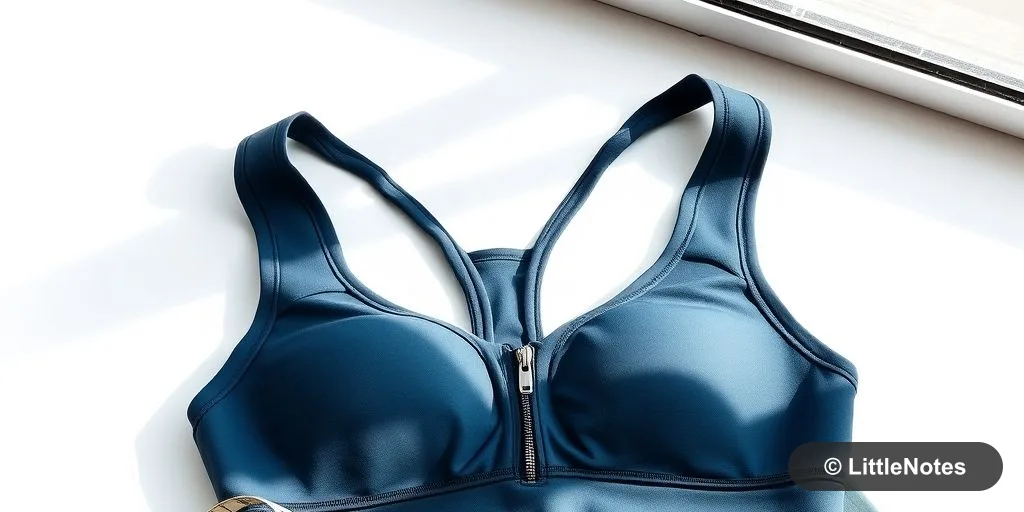
For high-intensity workouts like burpees, choose high-support sports bras from brands like Adidas (TLRD Impact) or specialized, full-coverage front-zipper designs to ensure everything stays in place.
For individuals with larger cup sizes who struggle with standard sports bra coverage, high-quality minimizer bras with underwire can provide superior support and reduce upper back pain.
If you are a postpartum parent trying to get back into a fitness routine, you know the struggle: finding a sports bra that actually keeps everything in place during high-impact moves like burpees or jumping jacks is no small feat. Many parents find that standard nursing bras, while convenient for feeding, often lack the structural integrity needed for the gy…
If your baby has CMPA, you can supplement their calcium intake through non-dairy alternatives like ragi, bajra, or diluted coconut milk to ensure they meet their nutritional needs.
Finding a supportive sports bra can be a challenge during the postpartum period, especially for those with larger busts. Many parents recomm…
When weaning a baby with Cow’s Milk Protein Allergy (CMPA), it is important to continue prioritizing breast milk or an appropriate hypoaller…
If you notice pus or redness around a piercing or skin irritation, consult your pediatrician immediately, especially if the baby appears unusually cranky.
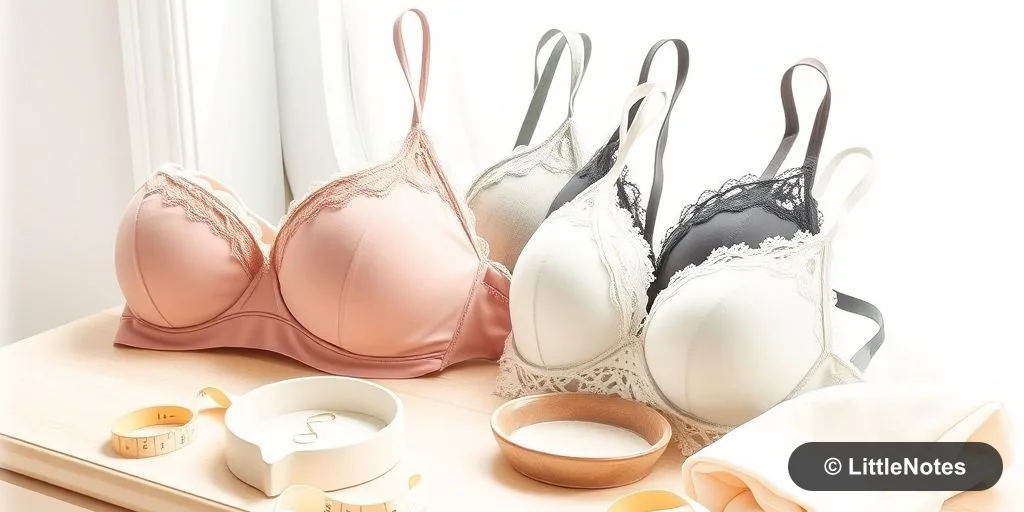
Utilize professional bra fitting services to ensure you are wearing the correct size and style, especially during postpartum changes when body measurements may fluctuate significantly.
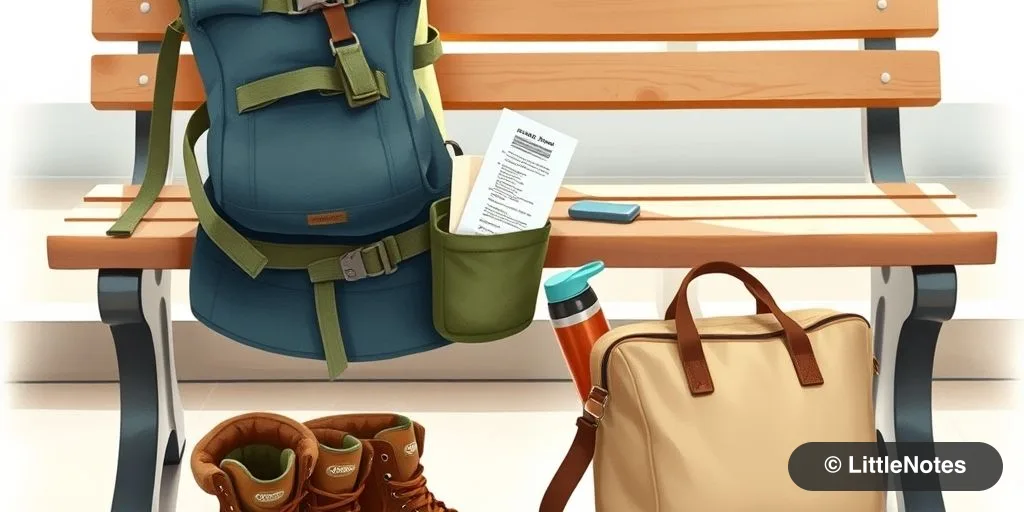
For toddlers around 12kg, look for flexible, structured carriers like the Anmol Flexy, which are perfect for short hikes or navigating terrain where strollers are difficult.
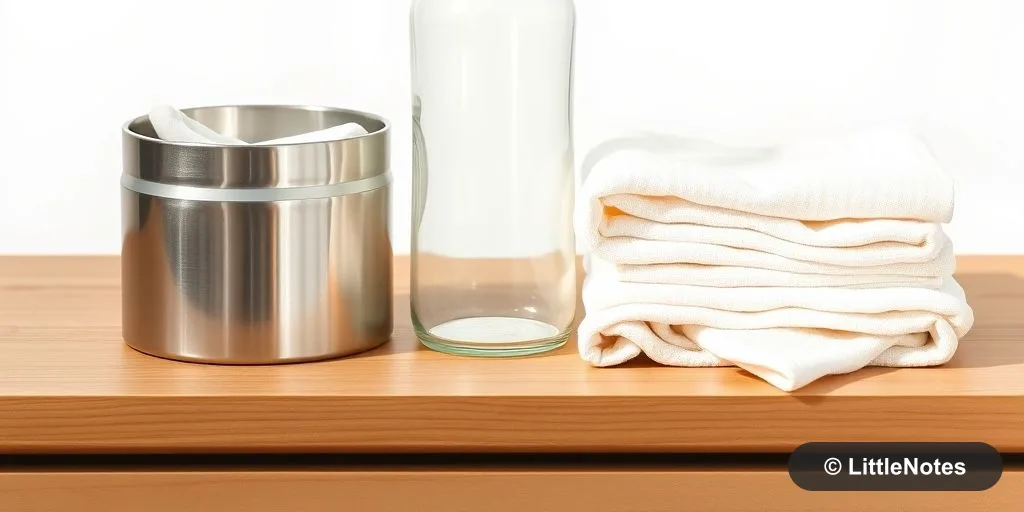
Consider opting for glass or stainless steel bottles and natural fiber alternatives for diapers and wipes when possible to minimize your child's exposure to plastics.
Traveling with a toddler can be a wonderful adventure, but navigating cobblestone paths, busy transit hubs, or light hiking trails with a stroller isn't always possible. When your little one hits the 12kg (approx. 26 lbs) mark, you need a carrier that offers both comfort for you and safety for them. Why Use a Toddler-Specific Carrier? While newborn carriers …
Build a strong foundation for your child's wellbeing by focusing on consistent sleep, balanced nutrition, regular movement, and emotional support rather than just symptom management.
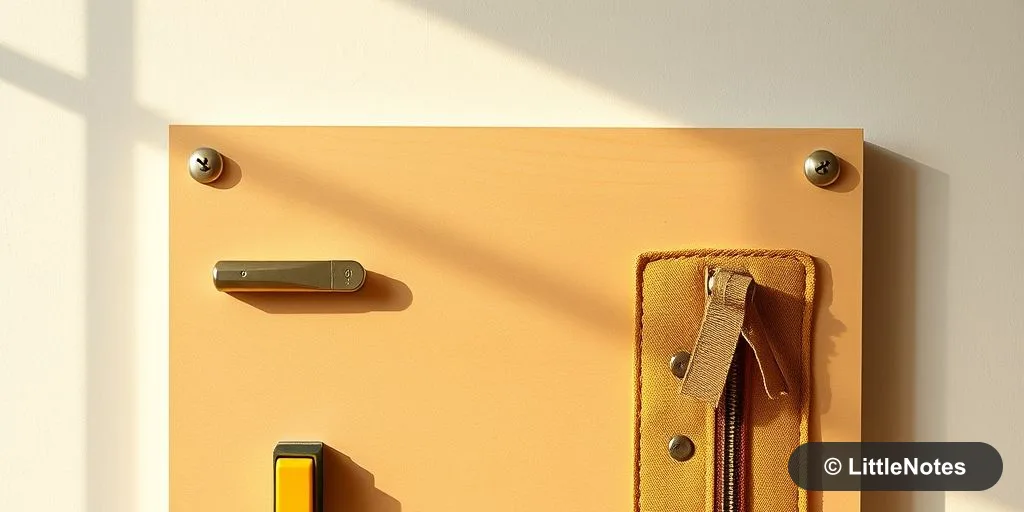
Building a DIY busy wall is a fantastic way to encourage fine motor skills and independent play in toddlers. You can create one by mounting…
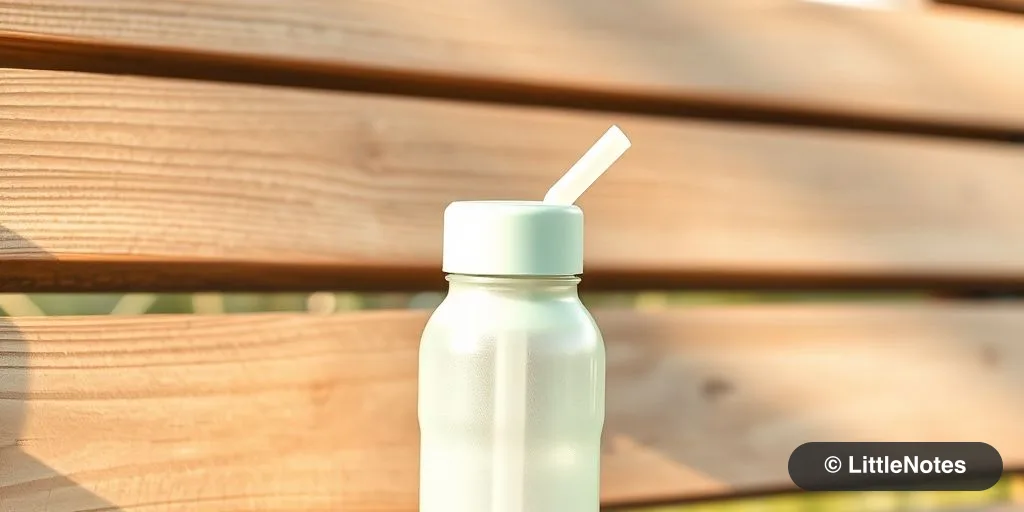
Heading out with a little one means having the right gear to stay hydrated without the mess. For parents searching for a reliable, leak-proof straw bottle, the Philips Avent range is a consistently recommended favorite. Specifically, the Classic Soft Spout/Straw cups are often cited as a go-to for babies starting around 7–8 months. These cups are designed to…
After bathing your child, applying Chandan (sandalwood paste) to the head can help soothe and cool them down effectively.
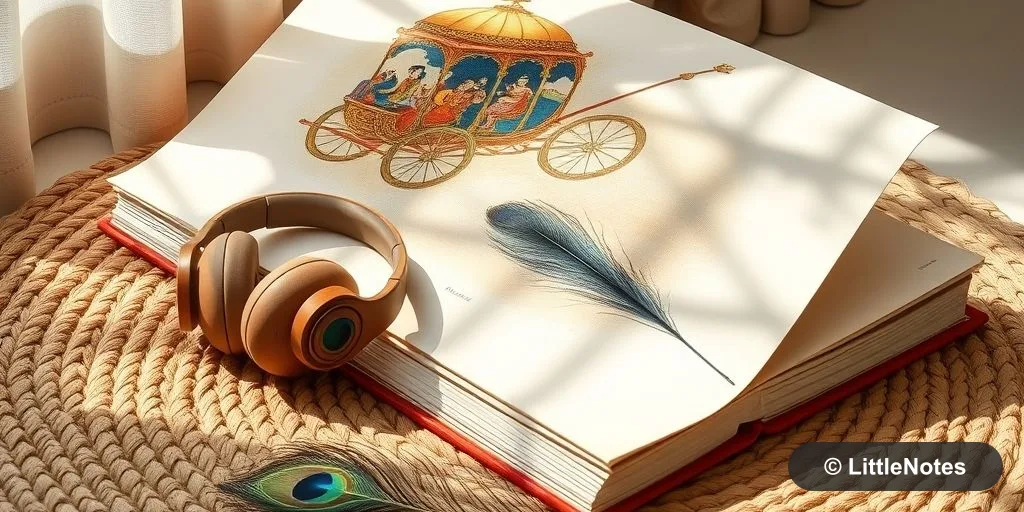
Introducing epic stories like the Mahabharata to preschoolers is a wonderful way to build cultural connection. Look for illustrated picture…
Consider whether medicine is truly necessary for minor symptoms and explore safer, non-medicinal ways to manage the child's discomfort first.