Community-powered wisdom for first-time parents
Tips on feeding, sleep, milestones, and more — shared by parents who've been there.
Browse tips & articles by topic
Ask questions & share experiences
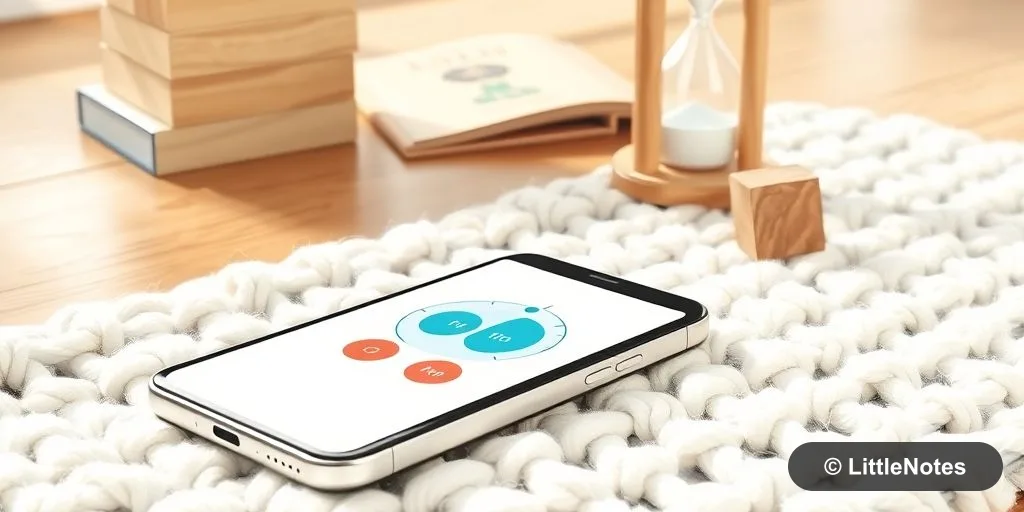
It is common for toddlers to become attached to phones once they realize they can control the images on them. To help manage this, consider…
Visiting Phu Quoc with young children is a popular choice for families due to its relaxed island pace and family-oriented resorts. When plan…
It’s a common story: what starts as an occasional peek at photos on your phone can quickly turn into a daily battle for control. By age two, many toddlers begin to crave the stimulating, interactive nature of screens, often resulting in significant meltdowns when the device is taken away. Understanding the Screen Struggle For a toddler, the world inside a sc…
It is normal to experience some degree of Diastasis Recti for the first three months postpartum. Experts suggest waiting until four months postpartum for an accurate assessment of muscle recovery.
Chronic postpartum back pain may be caused by tight hip flexor muscles or pelvic floor weakness. Always consult a physiotherapist to identify the root cause before starting an exercise routine.
If your baby has a mild cold or cough but no fever, gentle massage is generally considered safe. Using slightly warmed oil can be soothing,…
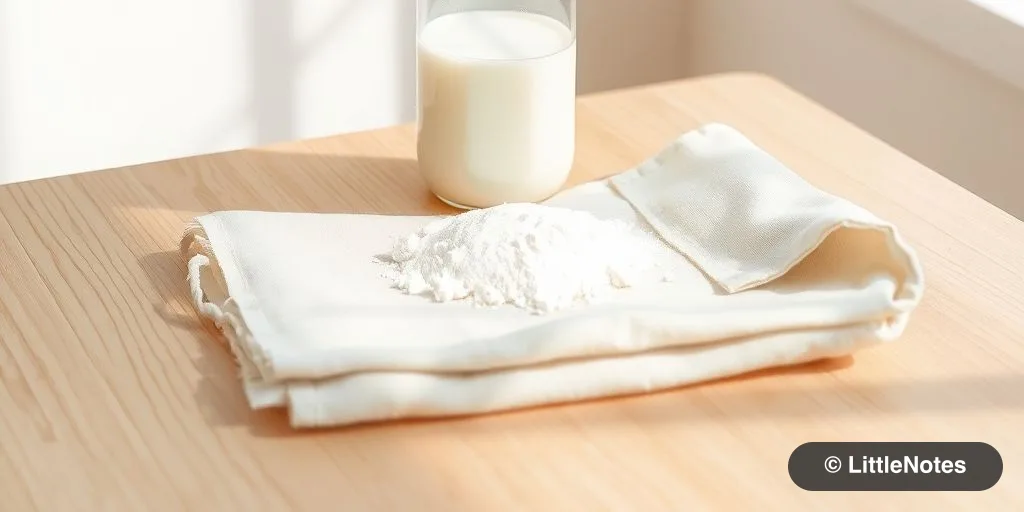
To help your baby adjust to a new formula stage, mix the old and new formula in a 1:5 ratio, slowly increasing the amount of the new stage over a week.
Transitioning your baby from one stage of formula to another is a common milestone, but it can sometimes lead to temporary digestive discomfort. If you notice your little one has become a bit cranky or is experiencing changes in their bowel movements after a switch, know that this is often just an adjustment period. Typically, it can take a few days for a ba…
It is generally safe to massage your baby with warm oil if they have a cold or cough, but you should skip the massage entirely if your baby has a fever.
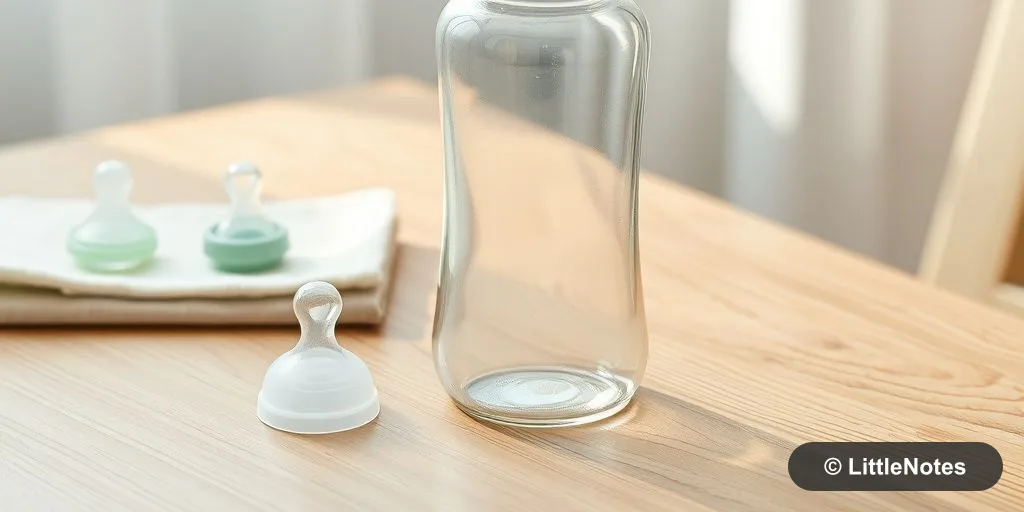
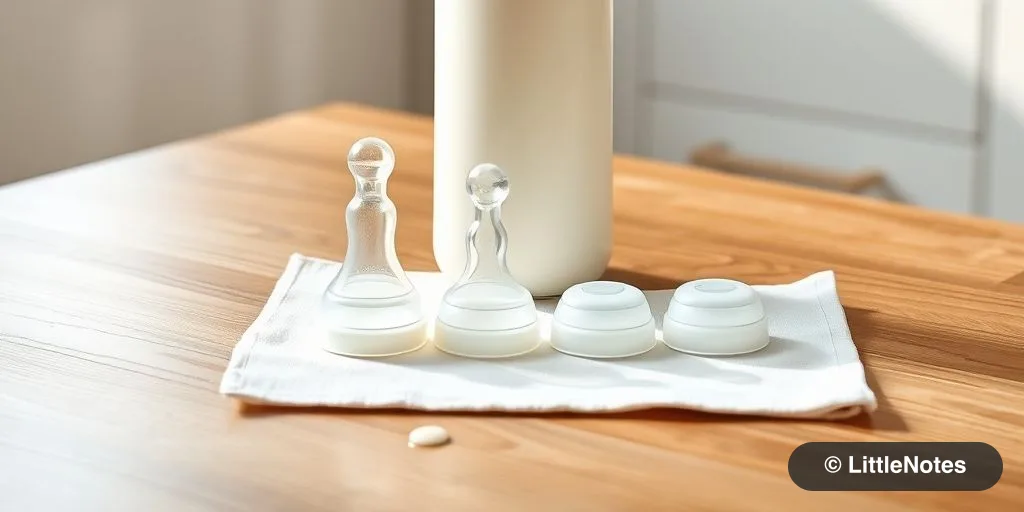
If your baby is struggling with air intake or the bottle flow stops, it may be due to the teat size or the way the bottle is vented. Ensure…
When purchasing a portable bed or travel station, look for models that include a built-in mosquito net to keep your baby safe and comfortable while sleeping on the go.
Once those first adorable teeth start peeking through, it’s time to start thinking about your baby’s oral hygiene routine. Establishing a habit early helps set the stage for a lifetime of healthy smiles. For babies around 10–12 months old, you don't necessarily need a full-blown toothbrush immediately. Many parents find success using a soft finger brush, whi…
If your baby is struggling with air bubbles in the bottle or a vacuum forming, ensure the teat size is appropriate for their flow needs and consider using an anti-colic bottle design.
If you are looking for non-tricycle gifts for a two-year-old, consider a balance bike, a small basketball hoop, or an outdoor playpen to encourage active play.
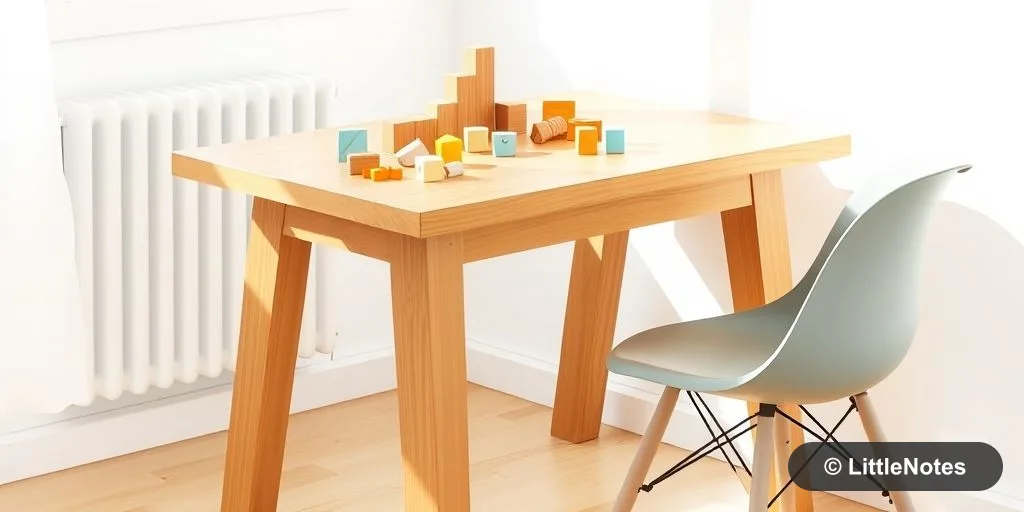
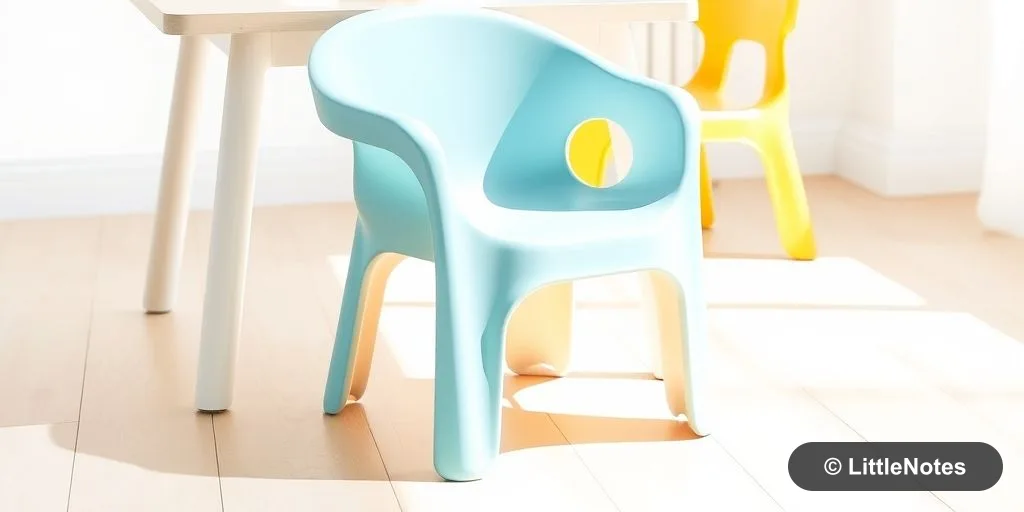
Choosing between wooden and plastic furniture depends on your space and your child's needs. While wooden sets are aesthetically pleasing and…
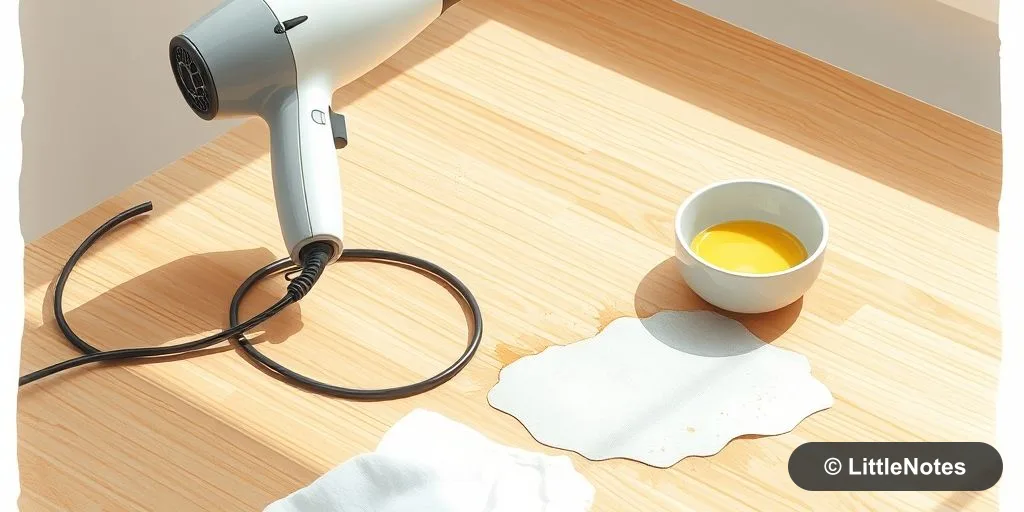
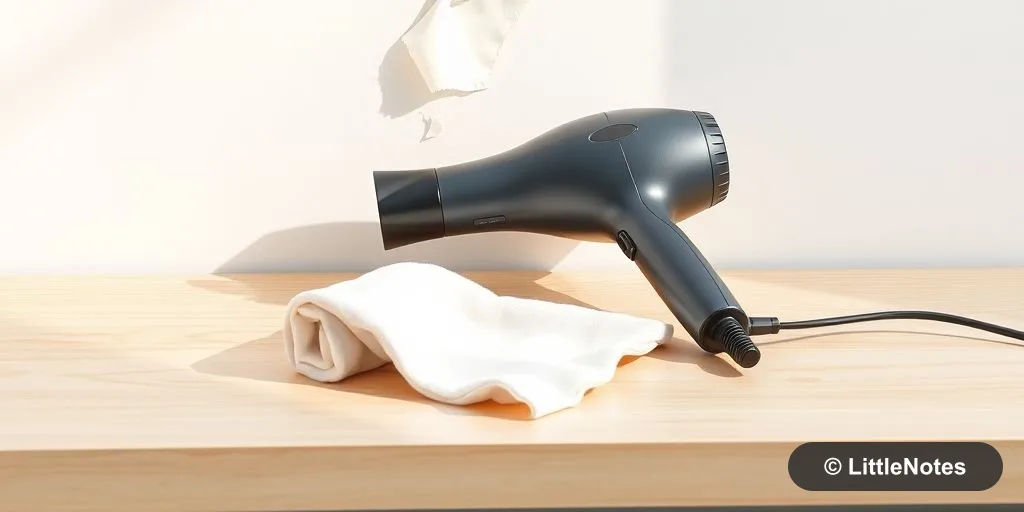
If you are struggling to remove leftover adhesive from surfaces, use a hairdryer to warm the area and then wipe; the glue should come off easily.
If you are left with sticky adhesive residue after removing decorations or wall decals, a simple household trick is to use a hairdryer. Gent…
Plastic chairs are often a better choice than wooden sets for toddlers because they are lightweight and easy for small children to move around independently.
When choosing furniture for toddlers, ensure the base is stable, as some height-adjustable plastic tables may lack the necessary weight to prevent tipping.
If you are in a rush and cannot find a tailor for a last-minute outfit, consider purchasing a ready-made piece from local ethnic clothing retailers.