Community-powered wisdom for first-time parents
Tips on feeding, sleep, milestones, and more — shared by parents who've been there.
Browse tips & articles by topic
Ask questions & share experiences
While ear infections can cause babies to tug at or cover their ears, it is often difficult to confirm without a professional examination. Sy…
Once refrigerated breast milk is removed from the fridge and reaches room temperature, it should be consumed within 2–3 hours. It is importa…
As the seasons shift, many parents find that their tried-and-true diapering routine suddenly requires an adjustment. If you’ve noticed that your little one is suddenly going through more changes than usual as the temperature drops, you aren’t alone. It is a common observation that infants and toddlers may urinate more frequently in colder weather, which can …
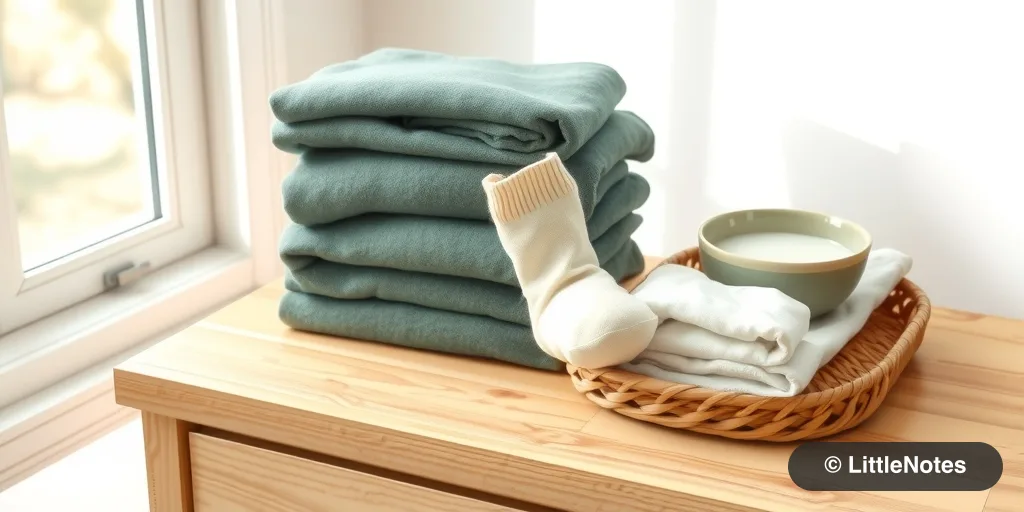
When temperatures drop, infants tend to urinate more frequently, so keep extra pants on hand to accommodate frequent changes.
Managing diaper changes during colder months often requires a bit more planning, especially if you are using cloth or training diapers that…
If ear pulling persists or is accompanied by other symptoms, consult a pediatrician to rule out ear infections, which can sometimes be mistaken for teething or tiredness.
Whether snoring affects your baby's sleep often depends on the consistency of the sound. Many babies find a steady, rhythmic snore acts simi…
Switching to reusable cloth diapers during the day can prevent the skin from feeling overly wet, which helps resolve rashes more quickly.
For diaper rash relief, apply a cream containing zinc oxide, which is highly effective at soothing and protecting sensitive skin.
Focus on high protein intake, consistent iron and vitamin supplementation, and adequate sleep to support hair health during the postpartum phase.
Few things worry a new parent more than seeing their baby uncomfortable with a painful diaper rash. While it’s a very common issue, knowing how to manage it effectively can bring your baby relief quickly. The 'Diaper-Free' Rule One of the most effective ways to heal a rash is to give your baby’s skin time to breathe. Try to incorporate frequent 'diaper-free'…
If your baby refuses food, leave it in front of them to touch and play with; this reduces pressure and encourages eventual self-feeding.
Iron drops are sometimes recommended by pediatricians based on a baby's specific health needs or blood work. If your doctor has prescribed t…
If your baby struggles with constipation or hasn't passed stool, guide them through gentle leg exercises to help them pass gas and poop.
It’s a common milestone that can be incredibly frustrating for parents: your little one was doing great, but suddenly, the spoon is an enemy, their lips are firmly zipped, and mealtime has turned into a battle of wills. If your baby is resisting solids, take a deep breath. It’s important to remember that for babies under one, food is largely about exploratio…
Introducing bottles for pumped milk or formula can provide much-needed flexibility for caregivers and support your mental health by allowing others to assist with feeding. This can be especially helpful if you need to return to work or require rest.
Focus on ensuring your baby receives adequate nutrition through whatever feeding method works best for your family's lifestyle and sanity. Getting necessary calories into your baby is far more important than adhering to a specific feeding tool.
When traveling with an airline like Air India Express, infant baggage policies can vary, so it is essential to check their official website…
Many parents worry about 'nipple confusion,' but collective experience suggests that introducing a bottle can be a lifesaver for maternal me…
If you plan to use bottles, introducing them early can help prevent resistance later on. Older infants may become more accustomed to breastfeeding or specific tools, making the transition to a bottle significantly more challenging.