Community-powered wisdom for first-time parents
Tips on feeding, sleep, milestones, and more — shared by parents who've been there.
Browse tips & articles by topic
Ask questions & share experiences
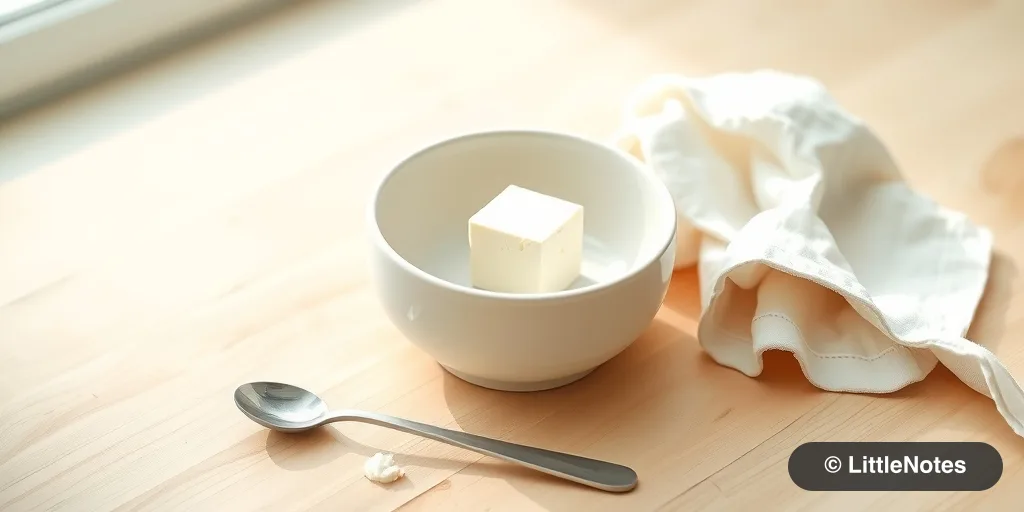
When introducing a new allergen like paneer or eggs, serve it alone for three days to monitor for any allergic reactions like skin rashes or bumps.
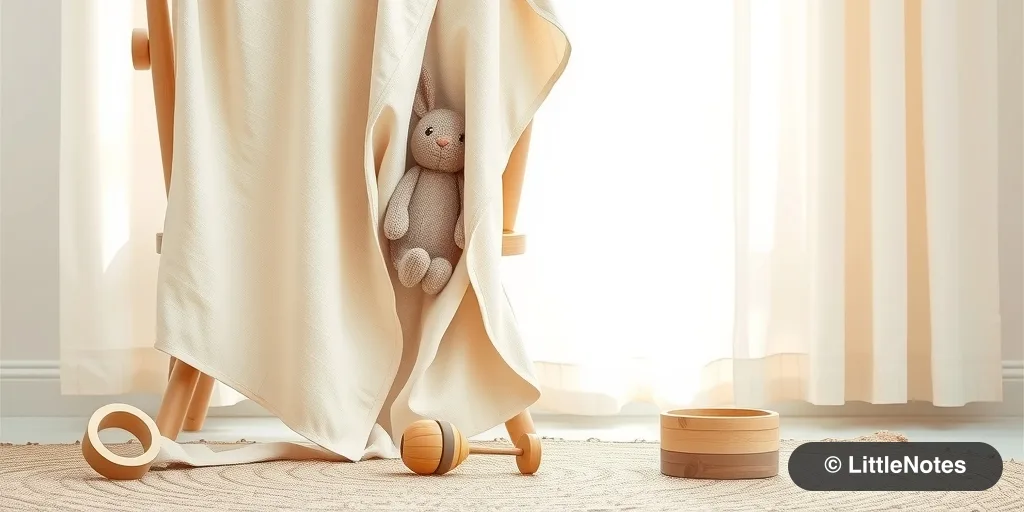
Playing peekaboo frequently can help babies process object permanence and manage separation anxiety as they grow.
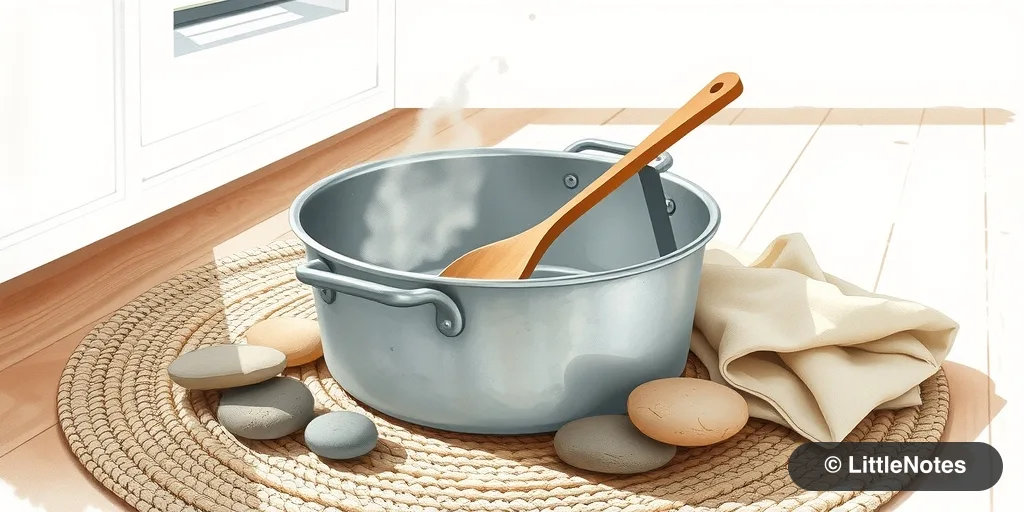
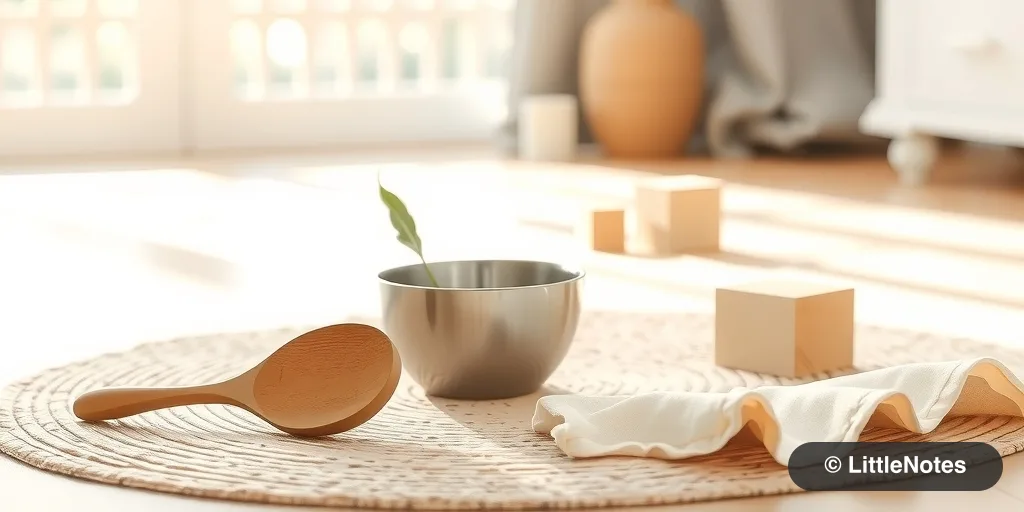
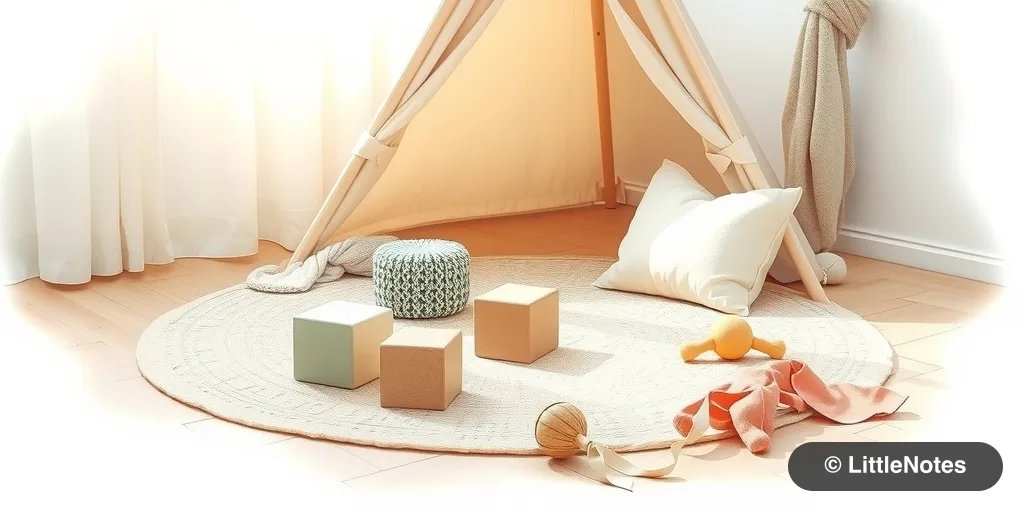
Babies are natural explorers and don't need constant entertainment. Providing a safe, open space and everyday objects like wooden spoons or pots encourages natural curiosity.
It’s easy to feel the pressure to constantly entertain our infants, but here is a secret: babies don’t need a non-stop schedule of activities. In fact, they are natural explorers who find wonder in the simplest parts of their environment. The Value of Open-Ended Play Babies learn through repetition and observation. When you provide a safe, baby-proofed space…
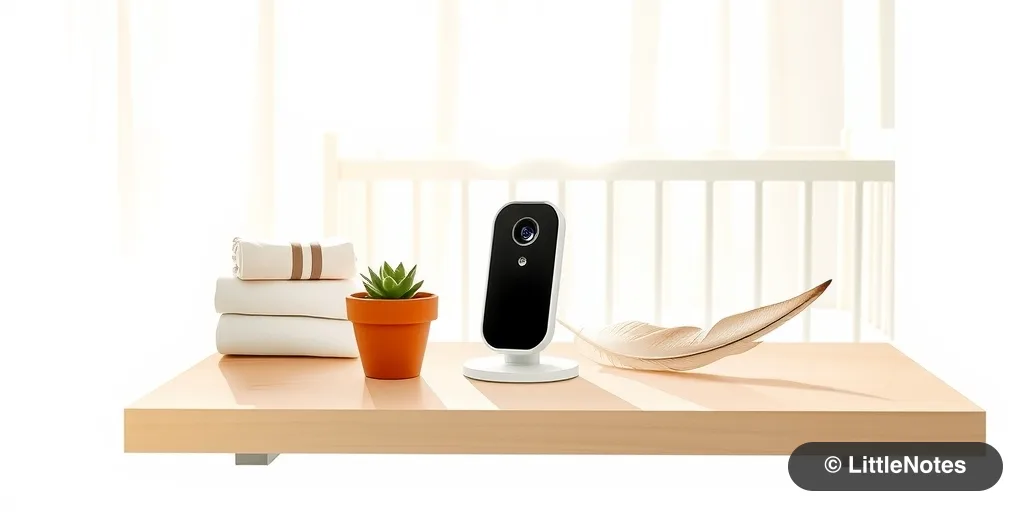
For home monitoring, a camera with a two-way talk feature allows you to communicate with the room, while continuous recording ensures you can review footage via a memory card.
Babies do not need constant structured entertainment; they are natural explorers who learn through repetition and observation. Encourage you…
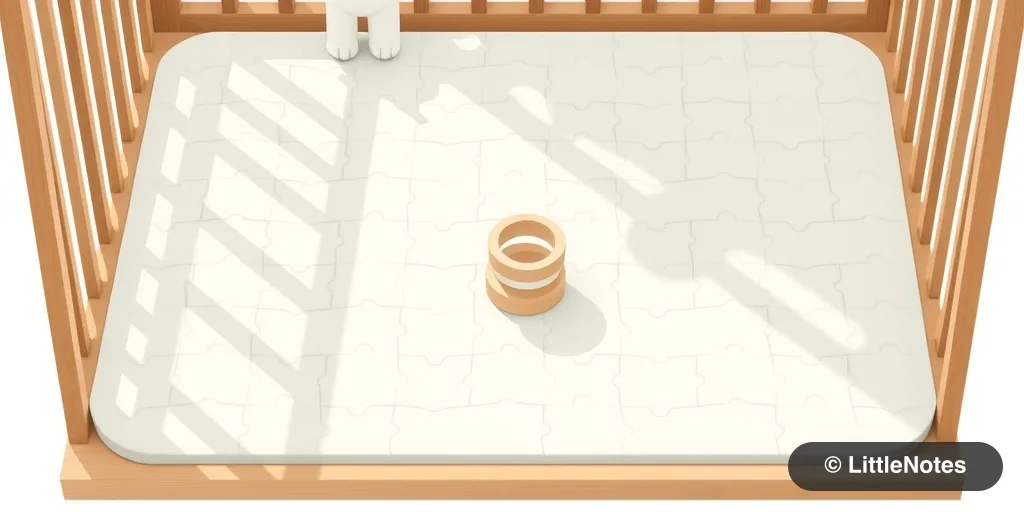
If your playpen mat feels too thin, place a second foam play mat underneath to provide a more comfortable, cushioned surface for your baby.
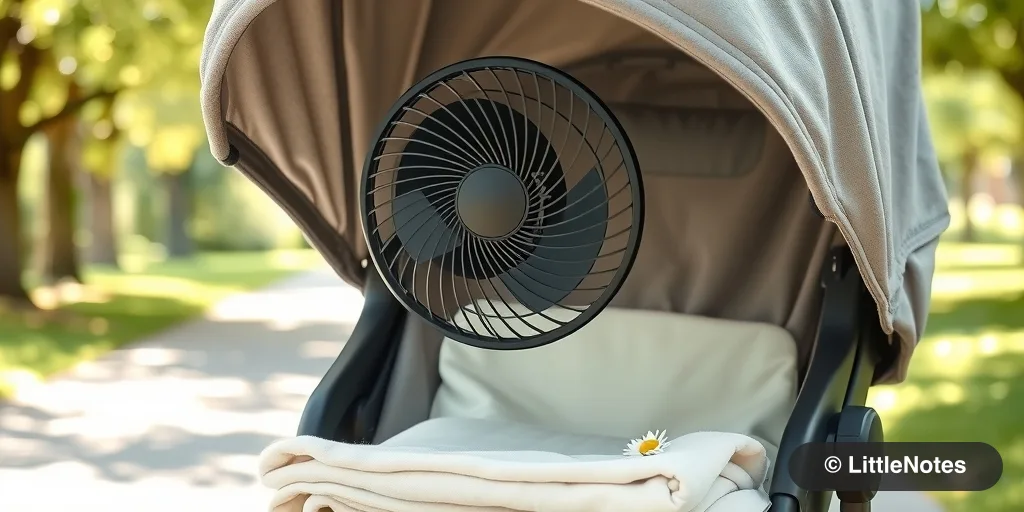
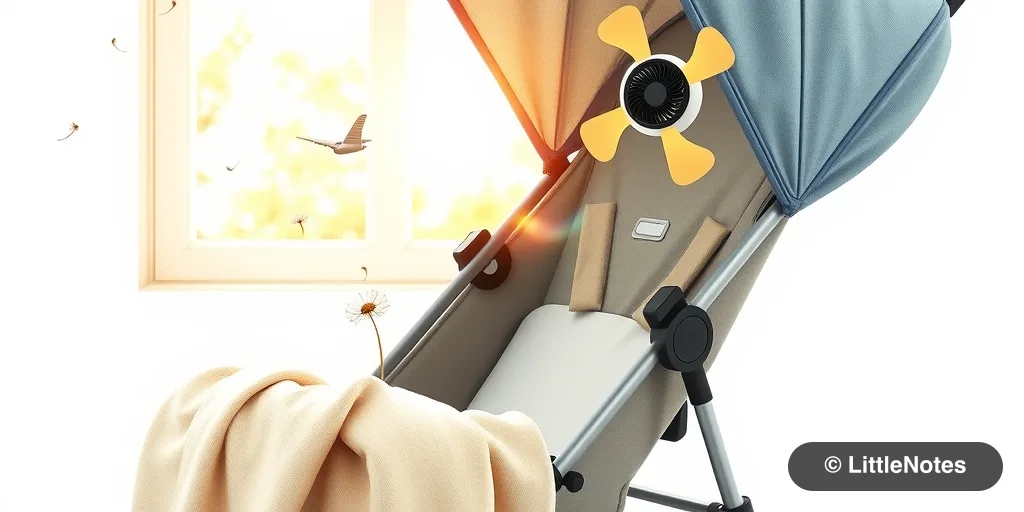
Portable fans are a lifesaver for outdoor outings, but safety is paramount. Opt for a fan that can be securely clipped to the canopy or fram…
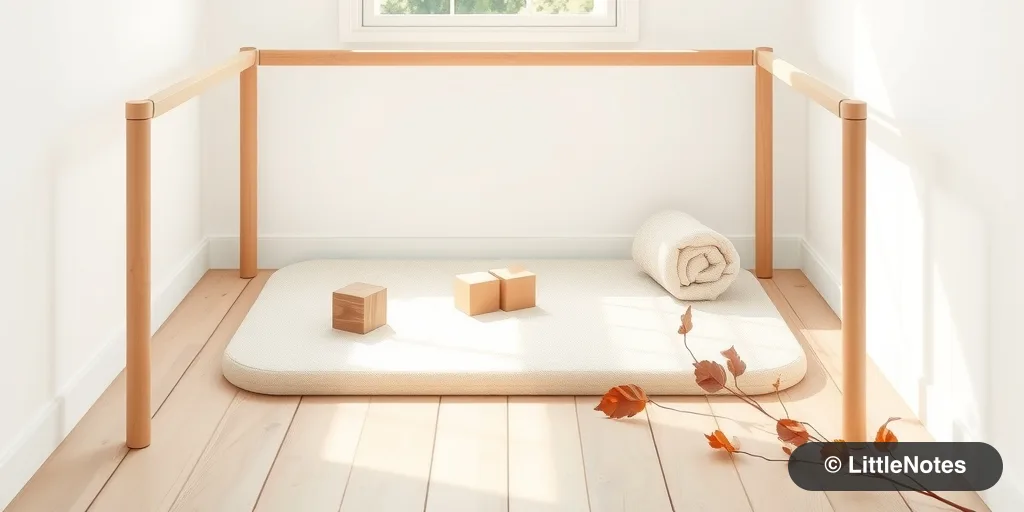
For a safe and contained play space, parents often recommend modular playpens that offer a large, customizable area. When choosing a play ma…
Setting up a dedicated play area is a game-changer for both your sanity and your little one's development. Whether you have an energetic crawler or a curious sitter, creating a safe, contained environment allows your baby to explore independently while giving you a well-deserved moment of rest. Choosing Your Playpen When looking for the right playpen, size a…
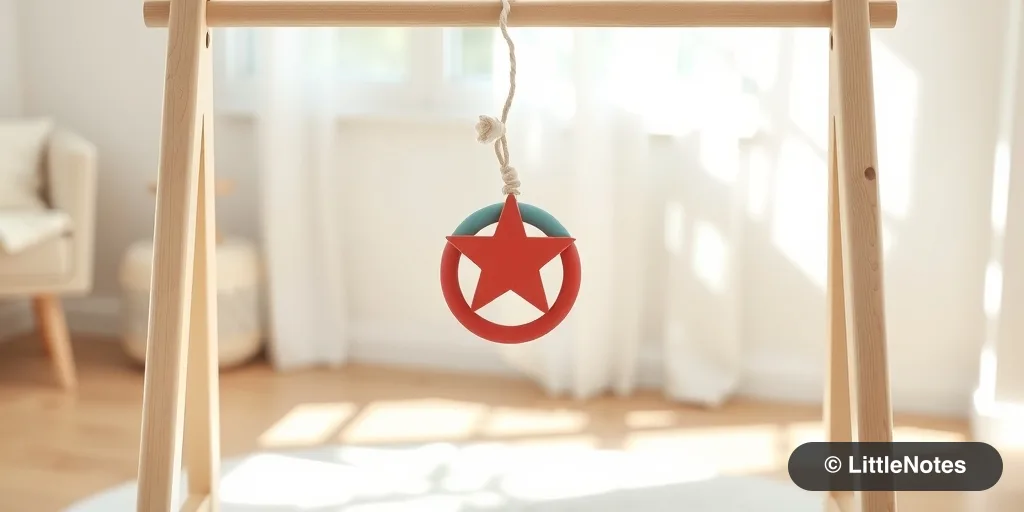
Regularly inspect hanging gym toys for chipped paint, as babies often chew on them. If you notice any wear or damage, remove the toys immediately to prevent ingestion.
According to safety guidelines, pillows and blankets pose a significant risk of suffocation and should be avoided for as long as possible. N…
When using a portable stroller fan, clip it to the top shade rather than the front bar to keep it away from curious little fingers.
Low-grade fevers are a common and expected side effect of vaccinations, usually lasting 24 to 48 hours. However, it is essential to monitor…
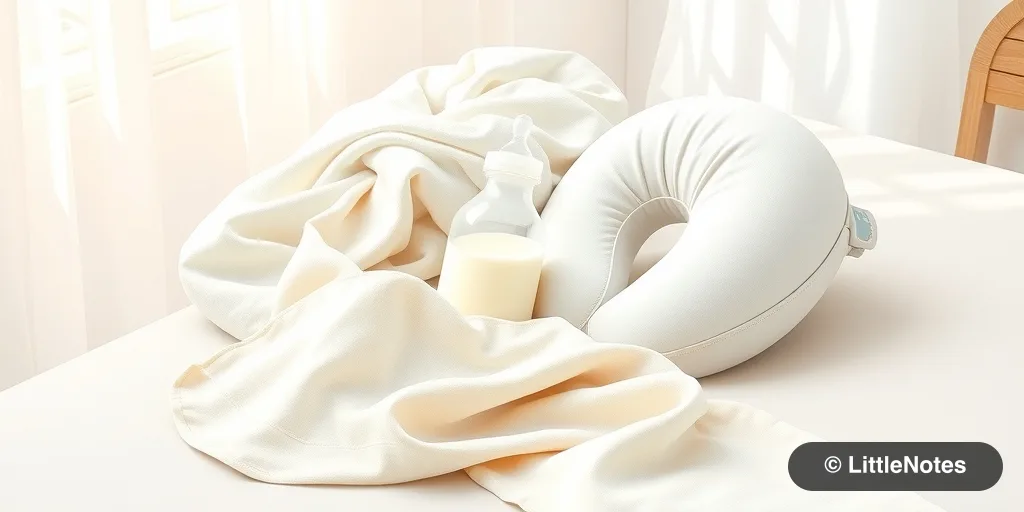
There is no evidence that the position of side-lying breastfeeding itself causes ear infections. The primary concern in any feeding position…
It is completely normal to feel a spike of anxiety when you notice your little one tugging at their ears or covering them. Many parents worry that this is an immediate sign of an ear infection, but it can also be a simple discovery of their own anatomy. When to See a Pediatrician While mild discomfort doesn't always signal an infection, you should consult yo…
Many babies become efficient at nursing and may only feed for five minutes at a time. If your baby is active and meeting milestones, short feedings are often sufficient and not a sign of low supply.
To prevent milk from potentially entering the ear during feedings, ensure the baby is positioned so that any dribbles do not pool near the ear canal. Maintain a deep, secure latch while feeding.
Managing thick hair after a workout can be a challenge, especially when looking for alternatives to common drugstore brands. Many parents ha…
Olaplex No. 4D is an effective dry shampoo option for those seeking a high-quality product to manage hair between washes.