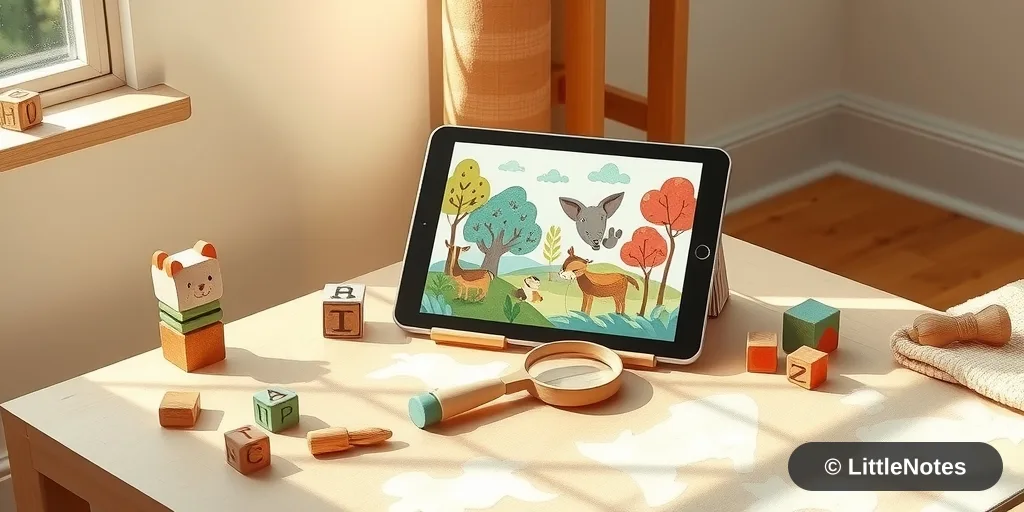
In today’s digital age, the question of screen time is inevitable. While experts generally recommend delaying it as long as possible, many parents find themselves wondering how to handle it when it does appear. The goal is to avoid 'passive' consumption—where a child sits alone in front of a flickering screen—and focus on 'active' engagement.
Why Passive Viewing Is Discouraged High-stimulation content with rapid cuts, bright colors, and constant motion can overstimulate a young, developing brain. This can shorten attention spans, making the quieter pace of real-world play feel boring by comparison. Furthermore, TV is a one-way street; it doesn't provide the back-and-forth social interaction that is crucial for language development.
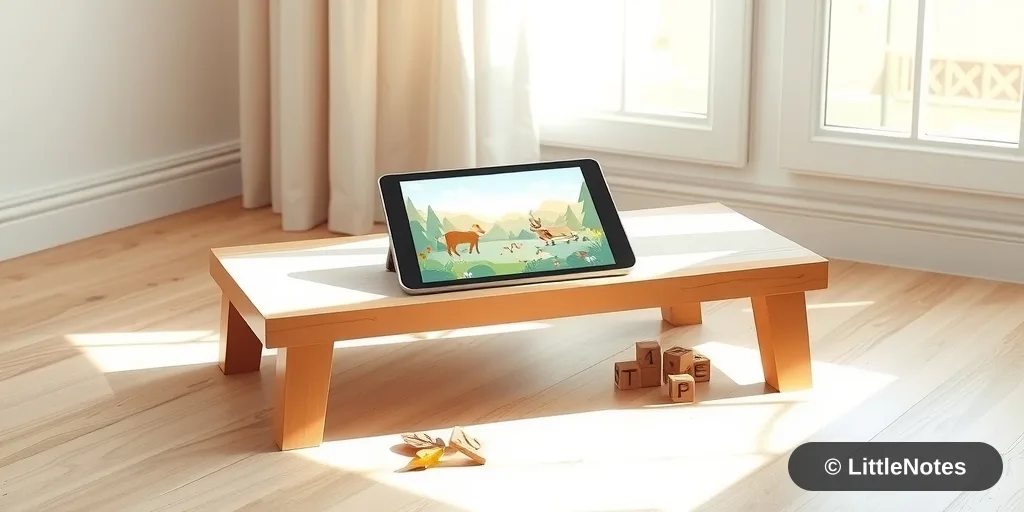
How to Practice 'Active' Co-Viewing If you do introduce screens, consider these strategies to keep it healthy:
- Co-View Together: Never let the screen act as a babysitter. If your child is watching a show, watch it with them. Sing along, copy the actions, pause to ask questions, and talk about what’s happening on screen. This transforms it from a passive act into a shared social activity.
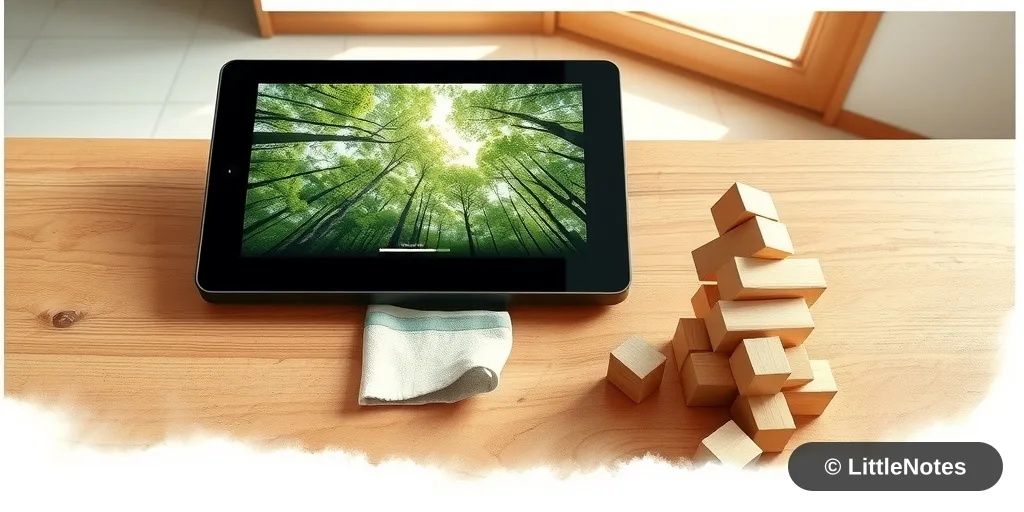
- Choose Slow Content: Opt for nature-based content, animal videos, or gentle learning programs. While they watch, you can name the animals or make the sounds, keeping the interaction constant.
- Use Screens as a Last-Resort Tool: Use technology strategically for 'survival' moments—like long-distance travel, a necessary haircut, or an emergency situation where you’ve exhausted all other distraction methods. Using a familiar video for 5–10 minutes in these high-stress moments is a valid parenting hack.
- Background Noise vs. Active Viewing: If you have sports or news on the TV in the background while you play, keep the volume low or on mute. It allows your child to glance over occasionally without it becoming the center of their focus.
Ultimately, the 'best' approach is to prioritize real-world experiences where your child can touch, move, and interact with you directly. When screens are used, intentionality is your best friend.



Comments