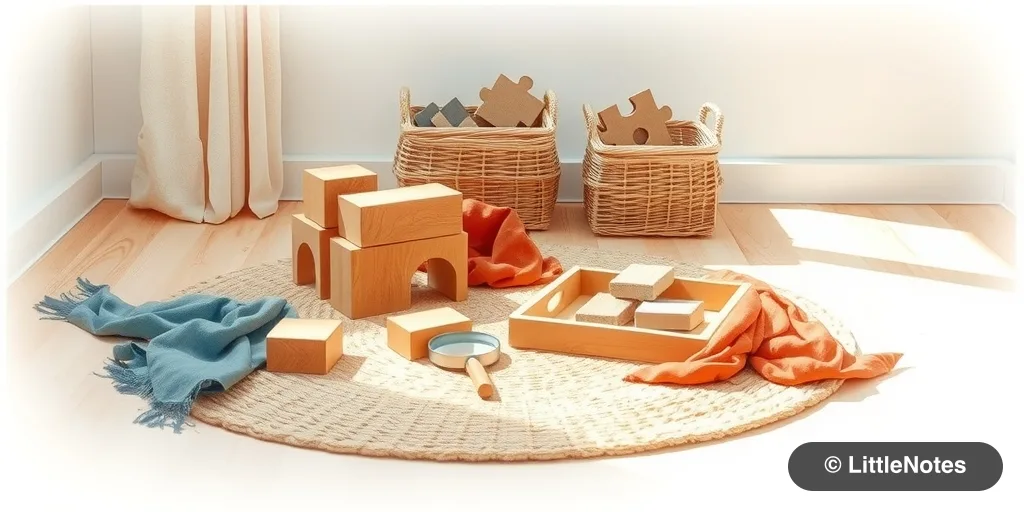
As our little ones move past the baby phase, many parents start to look for ways to spark their curiosity, build their confidence, and encourage new hobbies. Whether it’s football, gymnastics, or sensory play, finding the right extracurricular activity can be a rewarding way to support your child’s development outside of the home.
Where to Begin?
If you’re feeling overwhelmed by the options, start by observing what your child naturally gravitates toward. Do they love to jump, climb, and move? Gymnastics or toddler gym programs are fantastic for developing gross motor skills and building body awareness. If your child has a lot of energy and enjoys teamwork, entry-level sports like football can teach them the basics of coordination and social interaction in a structured environment.
What to Look for in a Program
When searching for a local class, it’s important to find instructors who understand the unique needs of toddlers and preschoolers:
- Focus on Play: At this age, the goal isn't competitive sports, but rather developing a love for movement. Look for programs that emphasize "confidence and strength" over winning.
- Age-Appropriate Structure: Check if the academy has specific programs for your child’s age group (some sports academies have tailored toddler programs starting as early as 1.5 to 2 years old).
- The 'Trial' Factor: Always ask if the facility offers a trial class. This allows you to see how your child interacts with the teacher, the environment, and other children before committing to a full term.
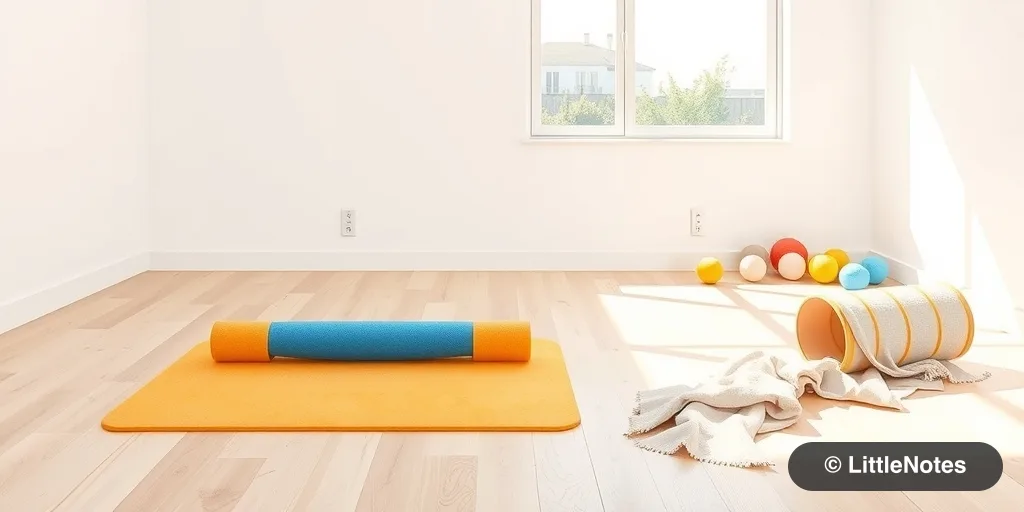
When to Consider In-Home Options
If you prefer not to commute or if your child is particularly shy in group settings, look for tutors or coaches who offer in-home sessions. This can be a great way to introduce phonics, storytelling, or music in a familiar, comfortable space. It’s also an excellent way to maintain a routine if your child has a strict nap schedule.
A Note on Preschool and Enrichment
It’s natural to feel confused when selecting between various preschool pedagogical styles—whether it’s play-based or structured. Remember that early years are primarily about socialization and exploration. If you’re feeling the pressure of "school readiness," talk to your pediatrician or local parenting community to get a balanced perspective on what your child actually needs at this developmental stage.
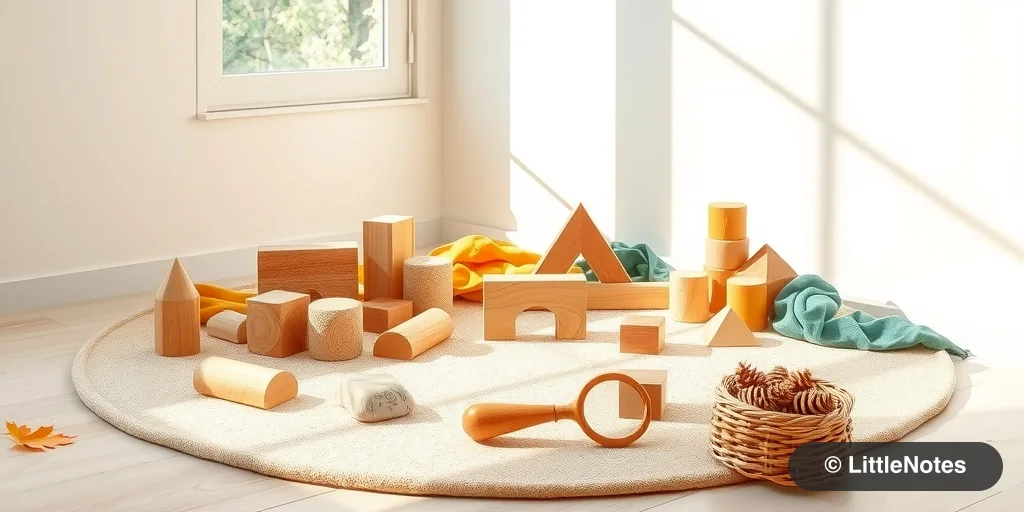
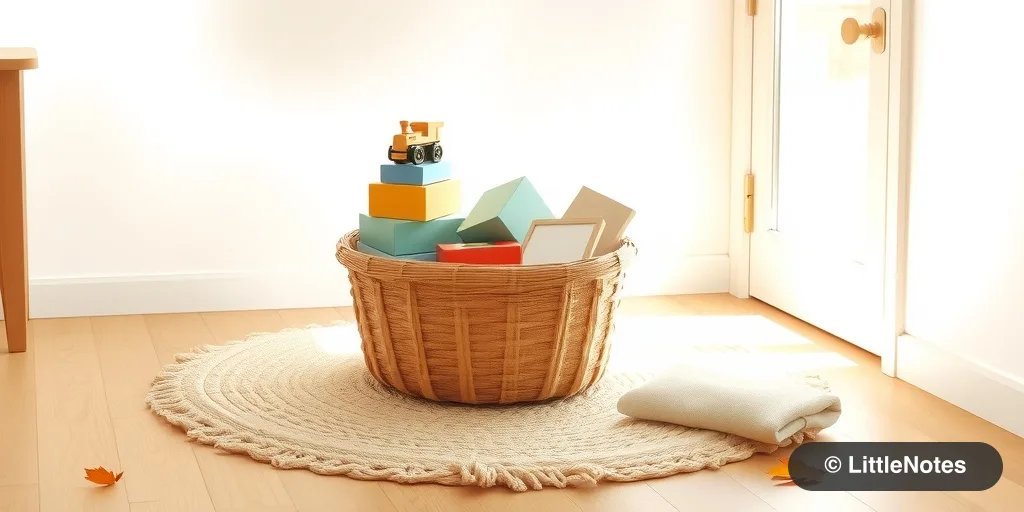
Finally, don't feel pressured to over-schedule. A little bit of unstructured "free play" is just as valuable as any formal class. Whether it's building with blocks, messy painting, or a visit to a park, your presence and encouragement are the best tools your child has for learning.



Comments