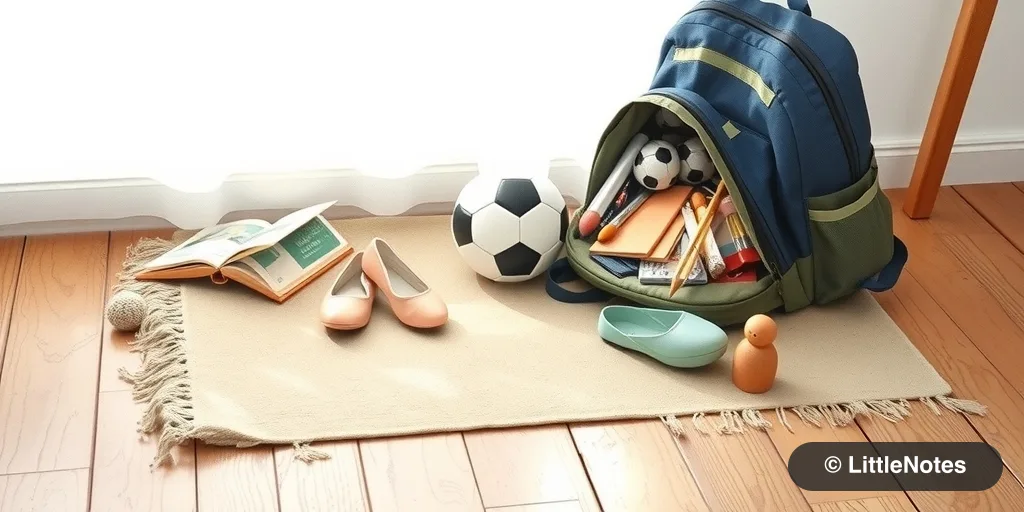
As our little ones move past the toddler years and approach school age, the temptation to fill their calendars with enrichment activities—soccer, skating, art, or public speaking—is strong. But how do we decide what is enough, and how do we handle the days where they simply want to ‘do nothing’?
If you find yourself feeling burnt out by the task of constant entertainment, remember: downtime is a vital part of child development. Here is how you can approach your child’s schedule without losing your sanity:
1. Focus on Quality Over Quantity For children approaching age 6, one or two structured activities can provide enough physical outlet and social stimulation. If your child expresses a desire to scale back, listen to them. They are learning to navigate their own energy levels and interests, which is a valuable life skill.

2. The Power of Independent Play It is common for children to demand parental involvement during their free time. However, it is perfectly healthy to set boundaries. You can designate specific ‘connection time’—perhaps 30 minutes where you are fully engaged in their world—and then clearly communicate that the remaining time is for them to explore independently. You might need to gently redirect them several times, but consistency helps them learn to entertain themselves.
3. Encourage Physical Activity, Not Just Coaching If you’re worried they aren't ‘doing enough’ on their off days, remember that a trip to the local park or a bike ride is just as beneficial as a formal class. Physical movement doesn’t always need to be a structured lesson.
4. Give Yourself Grace Feeling overwhelmed is not a sign of failure. You are a parent, not a full-time activities director. Spending a few hours a day fully present with your child is a gift, and it is perfectly okay to step back when your own tank is empty. Allowing them to be bored can often lead to the most creative play imaginable.

Ultimately, your child’s childhood is fleeting. If they seem overscheduled, don't be afraid to clear the calendar. Sometimes, the most valuable lesson a child can learn is how to be comfortable in their own company.





Comments