
Deciding on a preschool or an early years program is a significant milestone. As you navigate the options, you might find yourself choosing between traditional kindergartens and Montessori-based approaches. Here’s how to frame your search for the best fit for your toddler.
Understanding the Pedagogies
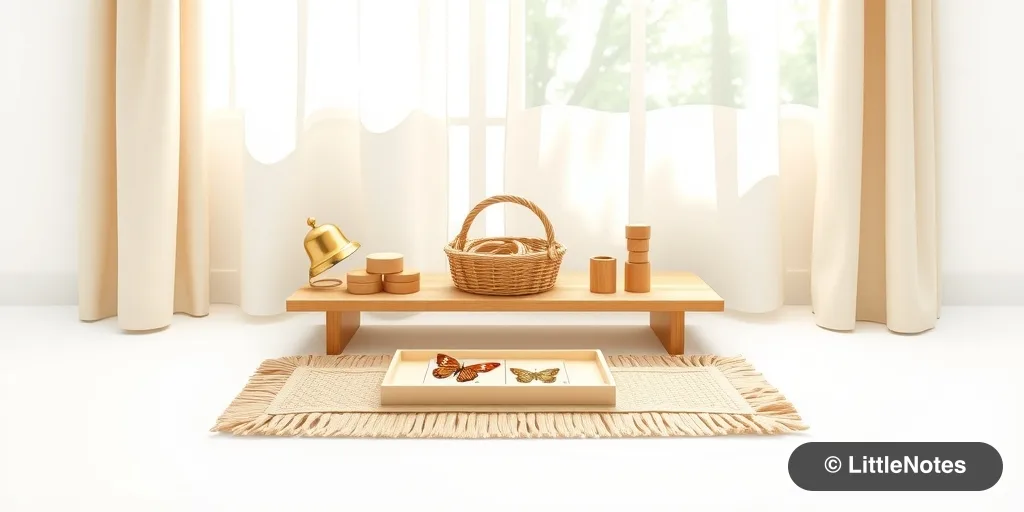
- Montessori: Often celebrated for its focus on 'personalized learning,' this method allows children to move at their own pace, fostering independence through carefully curated activities. Because the pedagogy is inherently personalized, many parents find it an excellent fit for curious toddlers.
- Early Years Programs: Schools offering programs for 18-month-olds often emphasize activity-based learning. These programs aim to make school a happy, engaging experience rather than an academic one, which is key for social and emotional growth.
Tips for Your Search
- Classroom Observation: A school can look perfect on a website, but observing a live class provides a different perspective. Look for grounded teachers, engaged children, and a welcoming atmosphere.
- Start Small: Many parents look for Parent-Toddler programs for 18-month-olds. These are excellent, low-pressure ways to introduce your child to a structured environment for a few hours a day without the commitment of a full-time school schedule.
- Local Community Resources: Don't overlook neighborhood-based initiatives. Some Montessori schools or community spaces open their libraries or conduct short-term activities for kids not enrolled full-time, which can be a great way to test a school's environment.
Important Considerations
- Age Requirements: While you may be eager to start school, keep in mind that many formal programs prefer to wait until a child is at least 2 or 2.5 years old. If your child is younger, seek out 'Parent-Toddler' or specialized 'Early Years' programs designed for their specific age range.
- The 'Happy Factor': Beyond curriculum and pedagogy, the most important indicator of a good preschool is your child's response. If your toddler is happy to go to school and returns in a positive mood, that is often the best sign that the environment is supporting their emotional and social needs.
When visiting potential schools, don't be afraid to ask about staff-to-child ratios and the school's philosophy on handling social transitions.



Comments