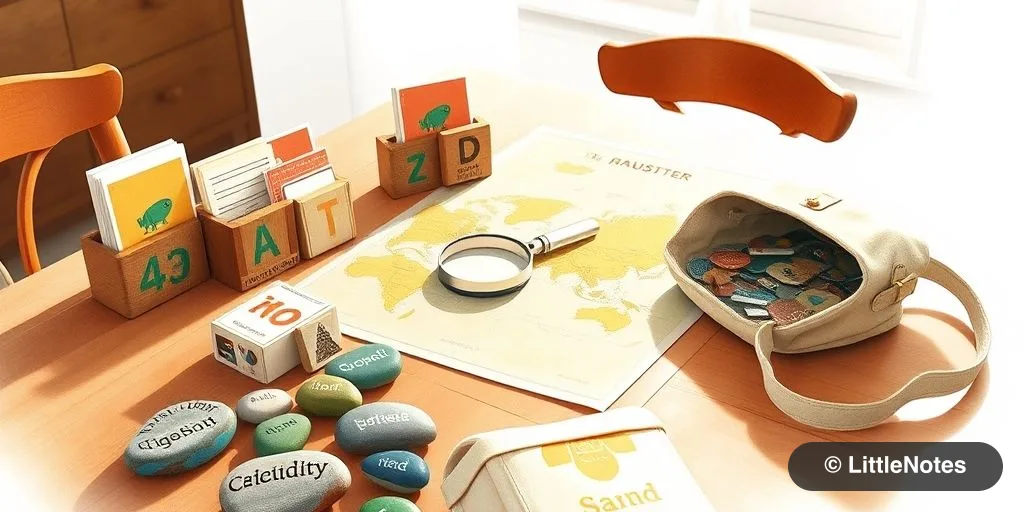
For many children, the pressure of school curricula can turn learning into a source of anxiety rather than curiosity. When subjects feel overwhelming—whether it’s learning a new language, mastering grammar, or tackling complex concepts—the standard approach of rote memorization often leads to frustration for both parents and children.
However, shifting the focus from 'studying' to 'familiarity' can change the entire dynamic of academic support. Here is a more positive, low-pressure approach to helping your child succeed.
The Power of Repetition Over Memorization
Instead of asking a child to sit down and memorize blocks of text, focus on building muscle memory. Frequent, brief exposure to the subject matter is far more effective than long, exhausting study sessions. By encouraging your child to simply write out or read through topics a few times a week, you build familiarity without the pressure of having to 'learn it by heart.' This takes the stakes out of the process; when a child doesn’t feel the pressure to perform, their brain is often more receptive to retaining information.
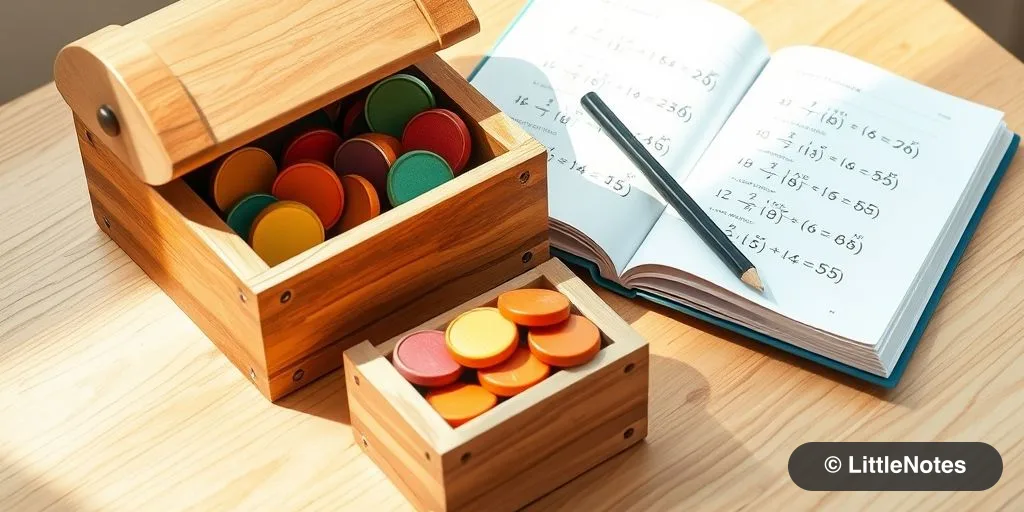
Gamification: Turning Tasks into Wins
Children thrive on positive reinforcement. By introducing a gamified reward system, you shift the focus from the 'chore' of studying to the achievement of a goal.
- Create a Point System: Assign a set number of points for each session completed, regardless of the 'quality' of the work. Consistency is the real goal here.
- Set Clear Milestones: Let your child know exactly how many points they need to reach a reward. This gives them a tangible target to work toward.
- Choose Meaningful Rewards: Rewards don’t have to be expensive; they can be extra playtime, a favorite snack, or an outing.
The Shift in Mindset
When you remove the 'threat' of an exam or the pressure of 'memorizing,' the fear factor disappears. You may find that your child walks into an exam feeling more relaxed, which often leads to better performance. Ultimately, the goal is to teach children that they are capable of learning without the need for high-stress cramming sessions.
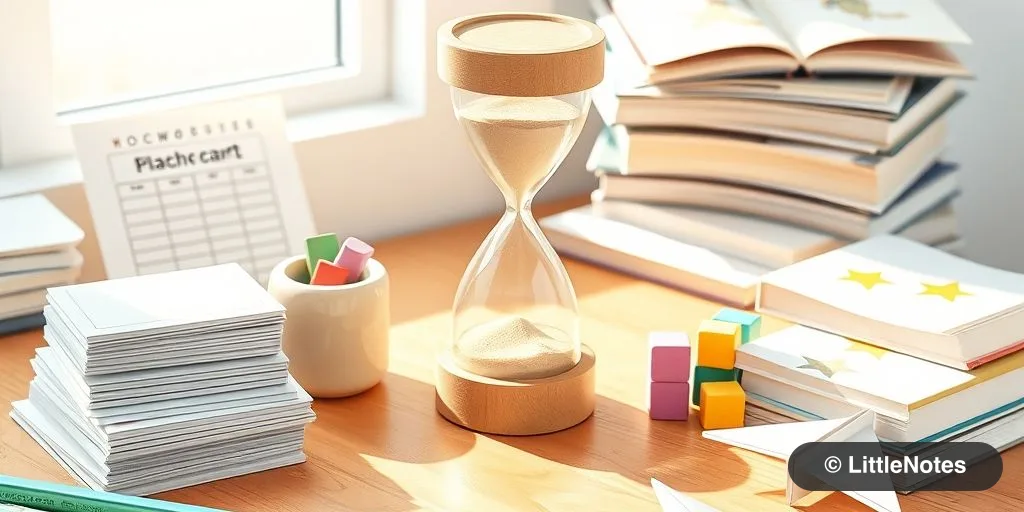
By keeping your sessions short, consistent, and incentivized, you can help your child develop a healthier relationship with learning that lasts well beyond their early school years. Remember, consistency is the key to building confidence—not perfection.




Comments