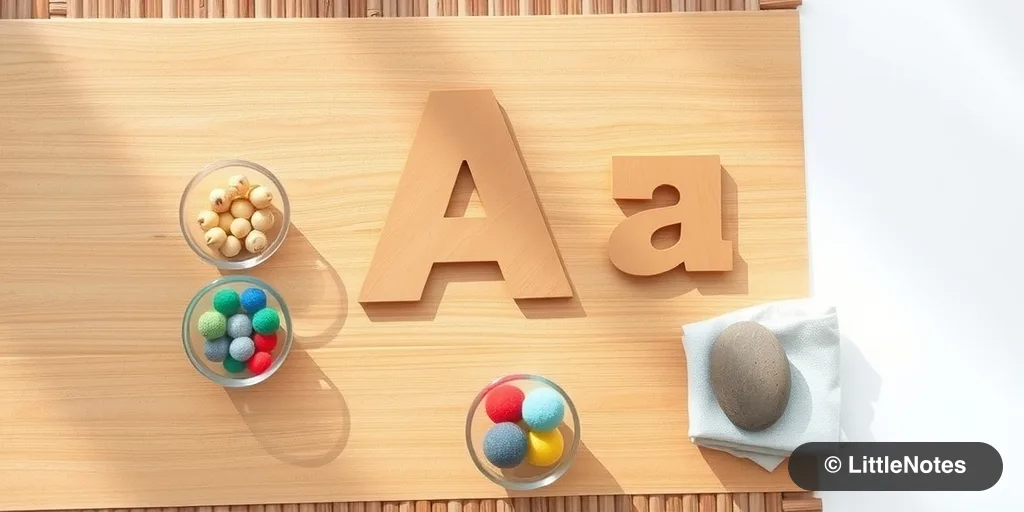
Once your toddler has mastered capital letters, the transition to lowercase can feel like learning an entirely new language. It is perfectly normal for children to show more interest in uppercase letters initially, as they are visually simpler and often introduced first. Here are a few low-pressure ways to bridge the gap:
The Power of Parallel Learning
One of the most effective strategies is to introduce letters as pairs. Instead of waiting for them to fully master lowercase separately, use alphabet books that feature both uppercase and lowercase side-by-side. Point out the 'big' version and the 'small' version simultaneously so the brain begins to create an association between the two forms.
Play-Based Recognition
At this age, learning happens best through play rather than formal drilling:
- Matching Games: Create cards with uppercase letters and cards with lowercase letters. Have your child 'match' the big letter to its corresponding small one.
- Visual Prompts: Use stickers or foam magnets on the fridge to create a 'letter wall.' If you see a capital 'A', place the lowercase 'a' right next to it.
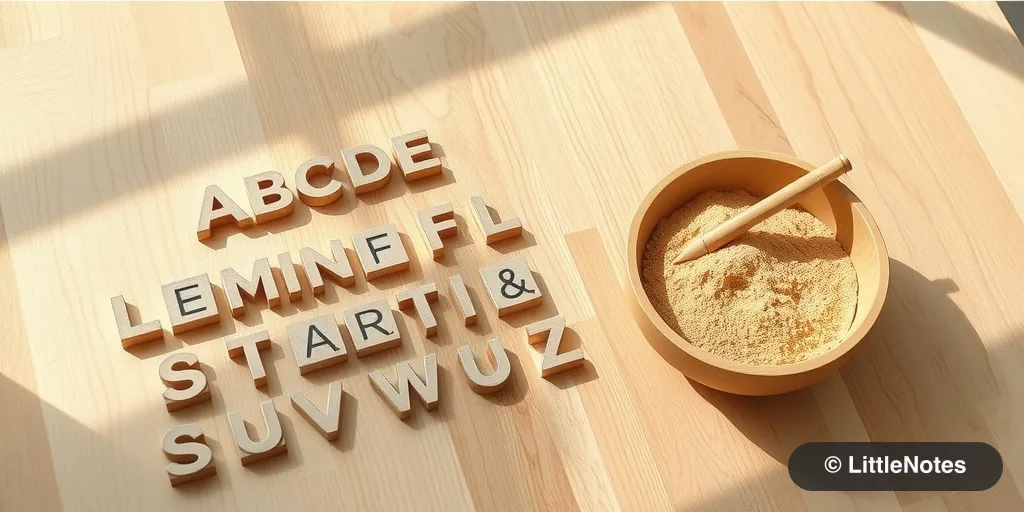
- Trace and Find: Use sensory bins filled with rice or sand. Hide letter cards and ask your child to find the 'small version' of a letter you’ve drawn on a piece of paper.
Remember, at 3-4 years old, the goal is exposure and comfort, not perfection. Keep the sessions short and fun, and celebrate the small wins as they begin to recognize those lowercase shapes!



Comments