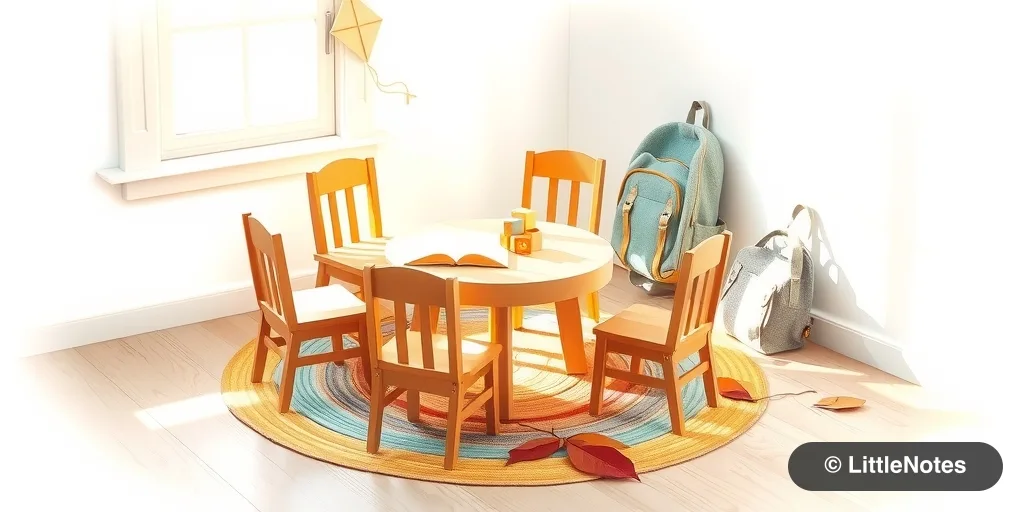
Deciding when to start your child in a structured environment is a major milestone for first-time parents. You might find yourself balancing advice from pediatricians, the needs of your little one, and your own daily sanity.
The Case for Early Socialization
For toddlers who are home with one parent or are single children, the transition to a small group setting can be incredibly beneficial. Even if a child isn't talking yet, interacting with peers in a supervised setting often provides a natural "nudge" for communication and social development. Many parents find that a short, 1-2 hour playgroup or toddler program is the perfect "middle ground." It offers a taste of independence without the intensity of a full-day preschool program.
Managing Separation Anxiety
It is completely normal for the first few days—or even weeks—of a new program to be tearful. Most children follow a pattern: initial distress upon arrival, followed by a settling-in period that gets shorter every day. Usually, once the child engages with an activity or a teacher, the tears stop. If your child is struggling, look for a program with a gradual transition policy.
Choosing the Right Timing
While some experts suggest waiting until age two to minimize separation anxiety, others emphasize that children are more resilient than we give them credit for. If you feel your child is "bored" at home or needs a high-energy outlet, a short-duration playgroup can be a lifesaver for both of you.
A Note on Schedules
If you are considering a daycare or a longer preschool program, always ask about their nap policy. Some centers enforce a "blanket" nap time for all students, while others are flexible enough to accommodate your child’s individual rhythm. If your child is particularly sensitive to their sleep schedule, don't be afraid to ask for a tour during nap time or negotiate a pickup time that avoids interrupting their home rest routine.
Ultimately, there is no "perfect" age for every child. Whether you choose to wait until age two or three, or opt for a playgroup early on, the best choice is the one that supports your child’s comfort and your family’s unique rhythm.




Comments