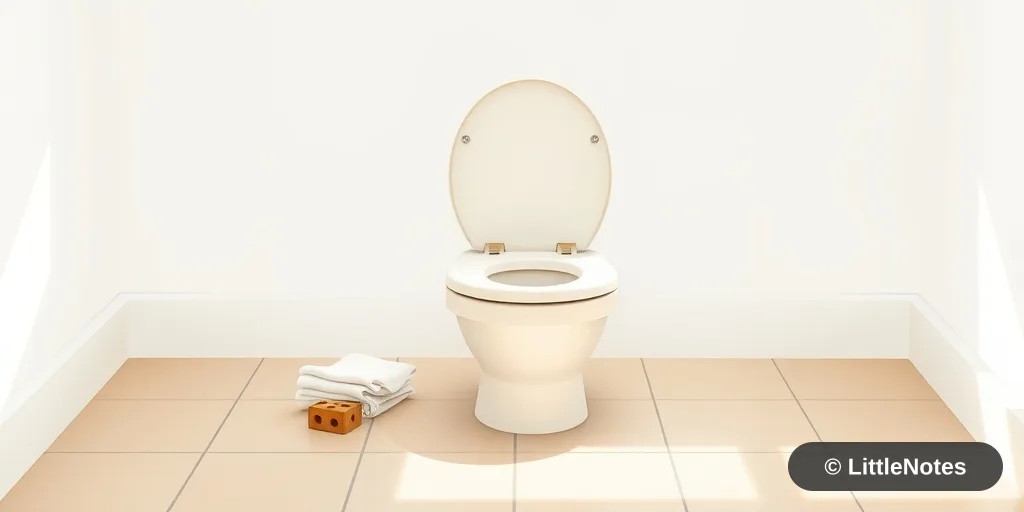
It is a common frustration for parents: your toddler was using the potty successfully, and suddenly, they are having accidents again. Whether it’s due to a new school schedule, a change in environment, or simply a developmental phase, regression is a normal part of the process.
Why Regression Happens
Potty training is a complex skill. Changes like starting playschool, the arrival of a new sibling, or even seasonal weather changes can distract a toddler. If they are busy playing or navigating new social dynamics, they may ignore their body’s signals until it is too late.
How to Regain Momentum
- Go Back to Basics: If you have been mixing diapers and underwear, consider moving to regular underwear at home. This allows the child to feel the sensation of wetness, which is the most powerful feedback for learning.
- Increase Fluid Intake: During training windows, offer extra fluids. This creates more frequent "potty opportunities" throughout the day, helping the child practice the connection between the urge to go and the action of sitting on the pot.
- Remove the Pressure: Avoid rushing or punishing the child for accidents. Instead, keep a positive tone. Celebrate "potty success" with simple encouragement rather than focusing on the failure of the accident.
- Manage Transitions: If the child resists leaving play to go to the potty, give them a countdown (e.g., "After you finish this puzzle, we go to the potty"). Empowering them with a choice can also help—ask, "Do you want to use the blue potty or the white one?"

Timing the Training
There is no "perfect" age, but most toddlers show signs of readiness between 20 and 30 months. If you are struggling, it is often helpful to wait until a period of stability (no big moves or major life changes) to focus on it. Don't feel pressured by the calendar; let your toddler’s cues be your guide. If you’ve tried and it isn’t sticking, it’s perfectly fine to take a short break and resume when they seem more engaged with the process.





Comments