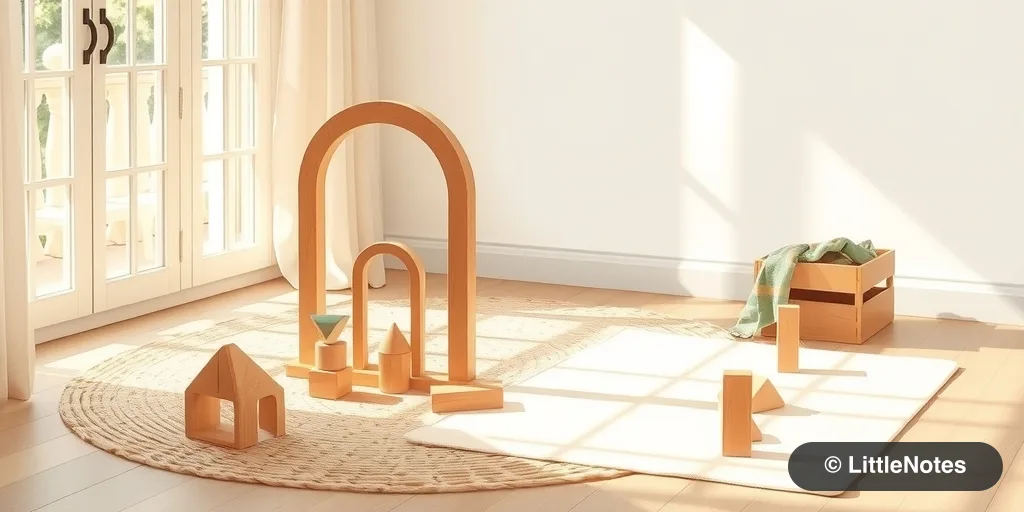
Does your little one struggle to play without your constant narration or participation? If you find yourself being asked to be a perpetual playmate for your toddler, you aren't alone. Many parents find that their children are perfectly capable of solving puzzles or drawing on their own at school or in other environments, yet insist on having a parent nearby at home.
It is completely normal for children to seek out their primary caregiver for connection, and sometimes, they simply enjoy having a witness to their creative process. However, fostering the ability to play independently is a gift you can give both your child and yourself. Here are a few gentle strategies to encourage that spark of independence:
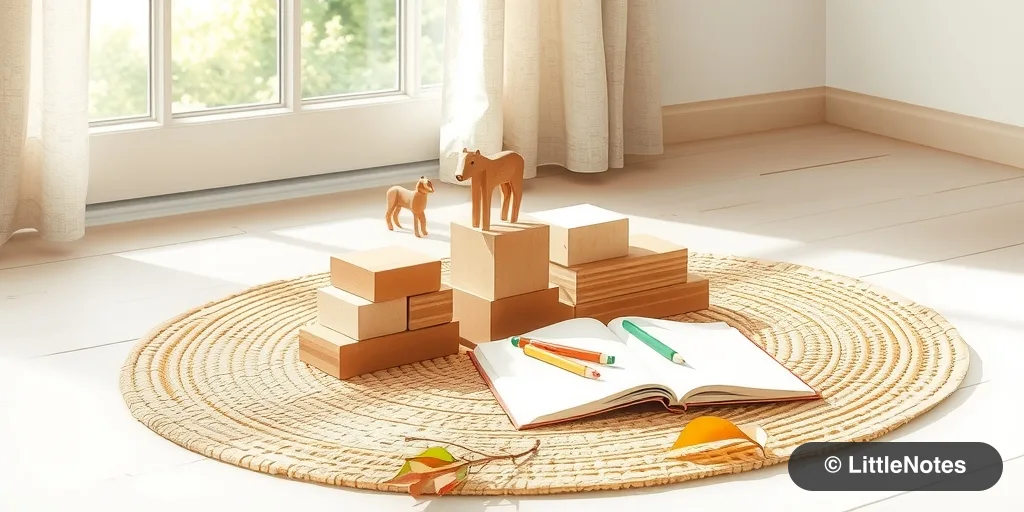
- Embrace the Power of Boredom: Resist the urge to intervene immediately when your child says they are bored. Boredom is often the fertile ground where creativity and imagination grow. Allow them a few minutes to sit with that feeling; you’ll often find they start inventing their own games with kitchen items or retelling their favorite stories.
- Start Small: Don't expect hours of independent play right away. Aim for 15–20 minutes of 'solo time' where you are present but not participating. You might sit nearby with your own work or a book. If they ask a question, answer it warmly, but then return to your own activity to signal that you are separate entities.
- Set Them Up to Succeed: Rotate their toys so they don't get overwhelmed and choose activities that you know engage their specific interests.
- Practice Consistency: This isn't a transition that happens overnight. It takes time—sometimes months—of gentle boundary-setting. Celebrate their accomplishments by appreciating their drawings or structures, but resist becoming the director of their play.
Remember, your child’s need for you is a testament to the secure bond you’ve built. By gently stepping back, you are helping them develop the confidence to be comfortable in their own company—a skill that will serve them well for years to come.



Comments