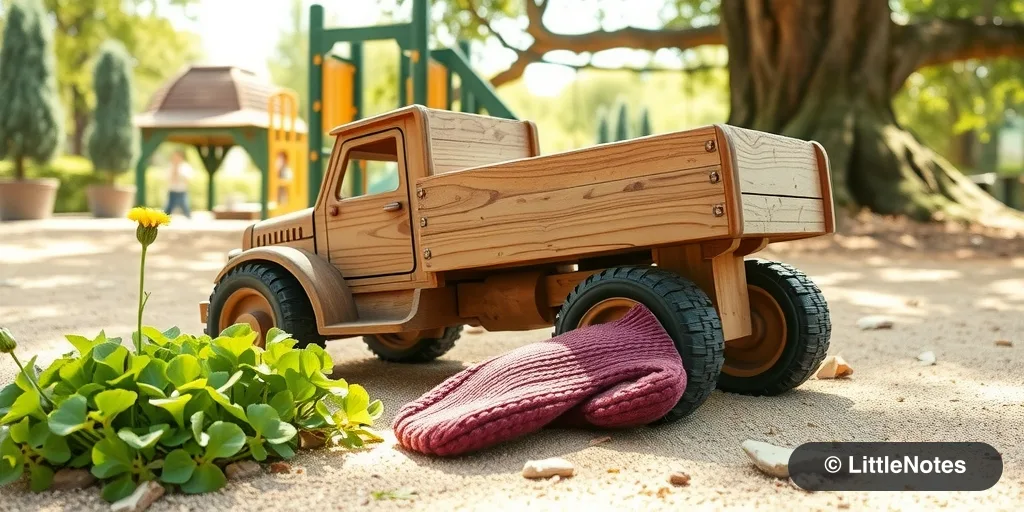
It is a scene many parents know all too well: your child leaves their favorite bike or scooter in a public area, only to return and find it missing. After the initial panic and a quick check of CCTV, you might discover that a neighborhood child simply decided to take it for a "joyride" before abandoning it in another part of the building.
While these incidents are frustrating, they offer a unique opportunity to teach children about boundaries and the difference between "fun" and "wrong." When you realize another child has taken your property, the impulse to be angry is natural. However, many parents have found that approaching these situations with a calm, educational mindset is more effective than public shaming.
How to Handle the Situation
- Verify and Recover: In a managed community, your first step should always be to utilize the building’s security or control room. Many residents have successfully tracked down items via CCTV footage.
- The Power of Calm: If you can identify the child, consider whether the situation requires an intervention. Often, these are young children who do not fully grasp ownership or social boundaries. A gentle conversation with the child (or involving security to contact their parents) can prevent the behavior from becoming a habit.
- Teach and Protect: Use these incidents as a concrete lesson for your own child. Explain that while accidents happen, belongings must be locked or kept within sight. It’s also a great time to talk about respect—asking permission before using anything that isn't ours.
Protecting Your Belongings
While we hope to live in a community of trust, small items can easily go missing. Simple precautions can save you a lot of stress:
- Lock it up: Even if you are just stepping away for a few minutes to play, lock bikes and scooters.
- Label items: Clearly writing your flat number on belongings can help security and neighbors return them to you quickly if they are found abandoned.
- Report, Don't Ignore: If you notice a pattern of behavior—such as a specific child habitually taking items—it is responsible to report it to building management. This helps ensure that the child's parents are aware and can guide them, preventing more serious issues as they grow older.
Remember, most of these "borrowing" incidents are not malicious; they are often the result of children lacking a clear understanding of boundaries. By handling it with grace, we help create a safer, more respectful environment for everyone.



Comments