Community-powered wisdom for first-time parents
Tips on feeding, sleep, milestones, and more — shared by parents who've been there.
Browse tips & articles by topic
Ask questions & share experiences
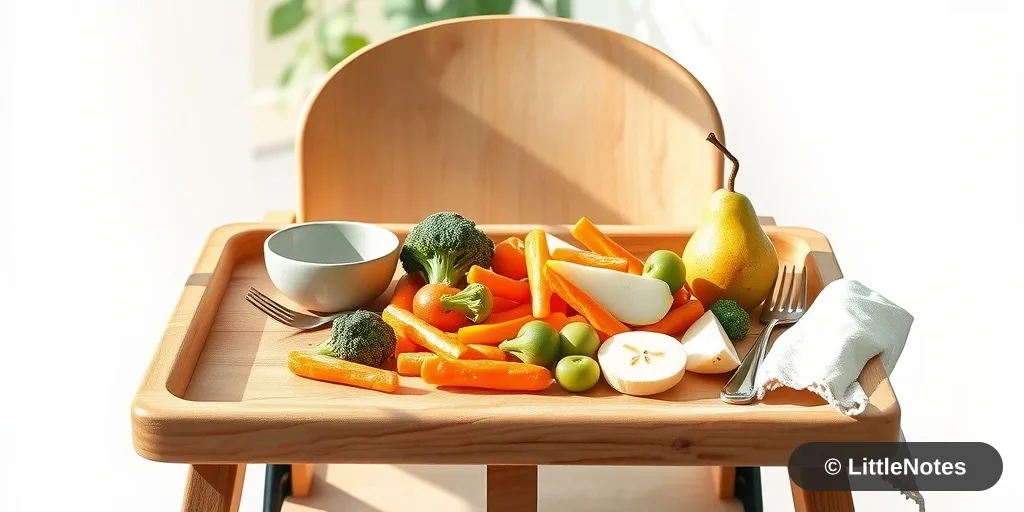
Focus on offering a wide variety of cooked vegetables and fruits to your baby before introducing grain-based porridges or cereals.
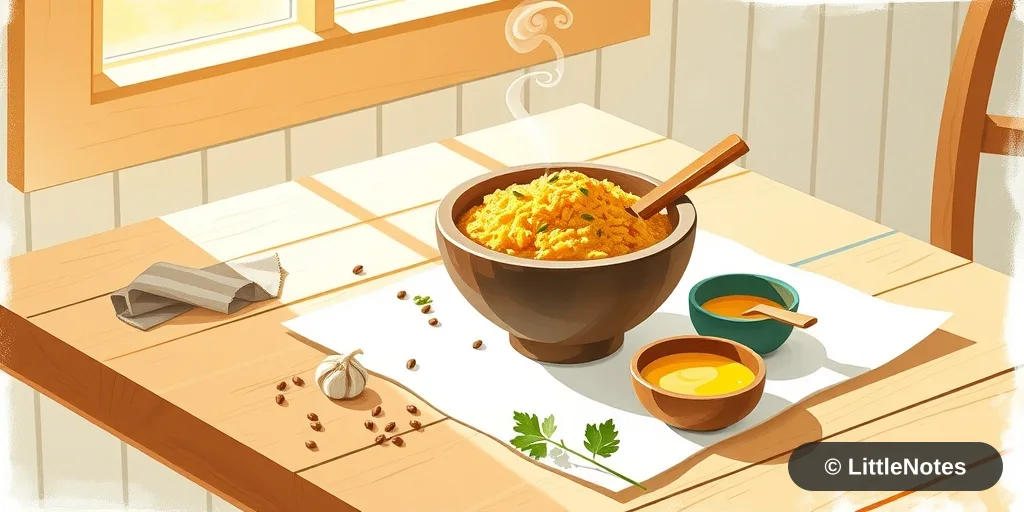
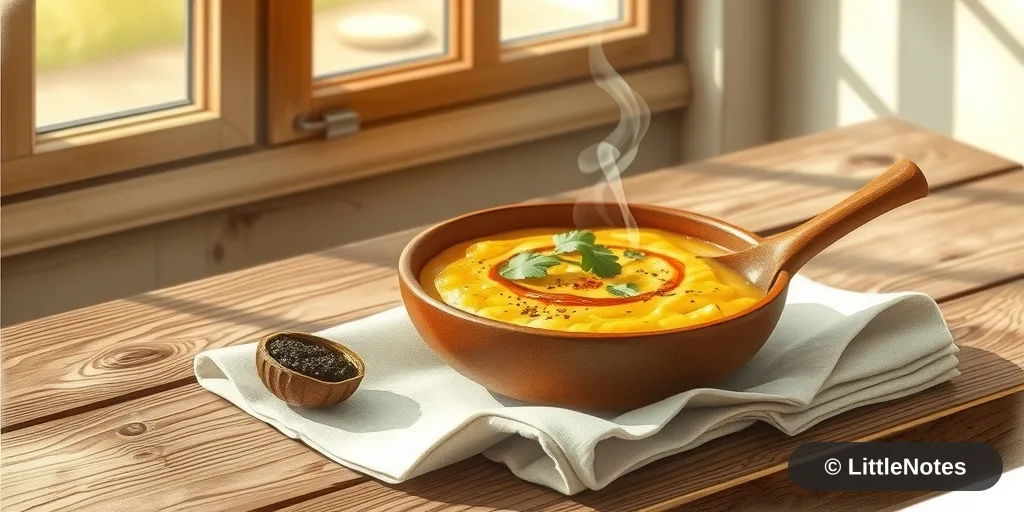
If your baby rejects bland khichdi, try enhancing the flavor with small amounts of garlic, hing, jeera powder, or ghee.
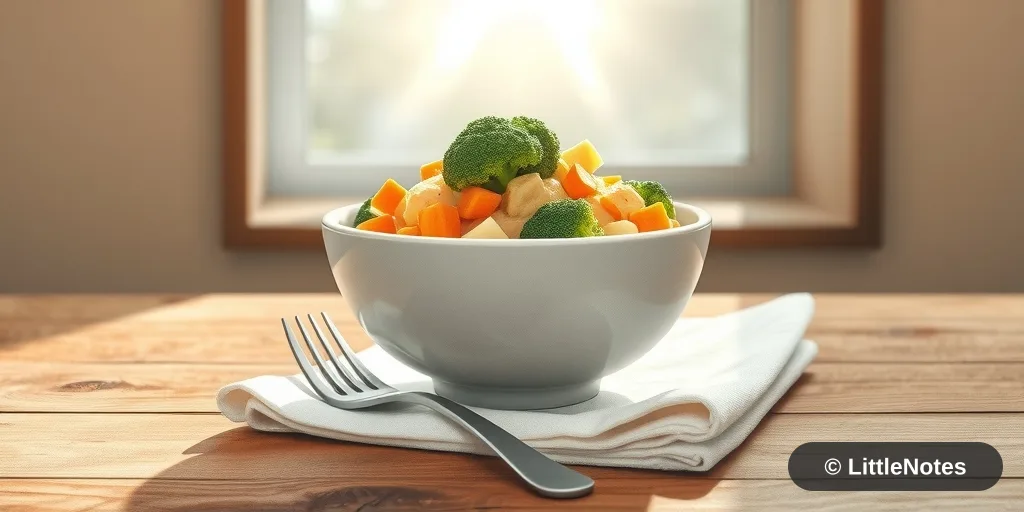
When cooking vegetables for yourself, steam a portion for your baby and mash it with a fork. This incorporates them into family pot meals and saves significant preparation time.
The 'three-day rule' is generally an outdated guideline for most foods and is now primarily recommended only for high-allergen items. For mo…
If your baby is struggling with new food textures or tastes, mix 10-30ml of breastmilk or formula into the food to provide a familiar flavor profile.
Instead of toys, ask friends and family for gift vouchers or contributions toward long-term essentials like bookshelves, safety bed rails, or ride-on toys.
For parents who feel they already have enough gear, suggesting practical items or experiences is a great approach. Consider asking for gift…
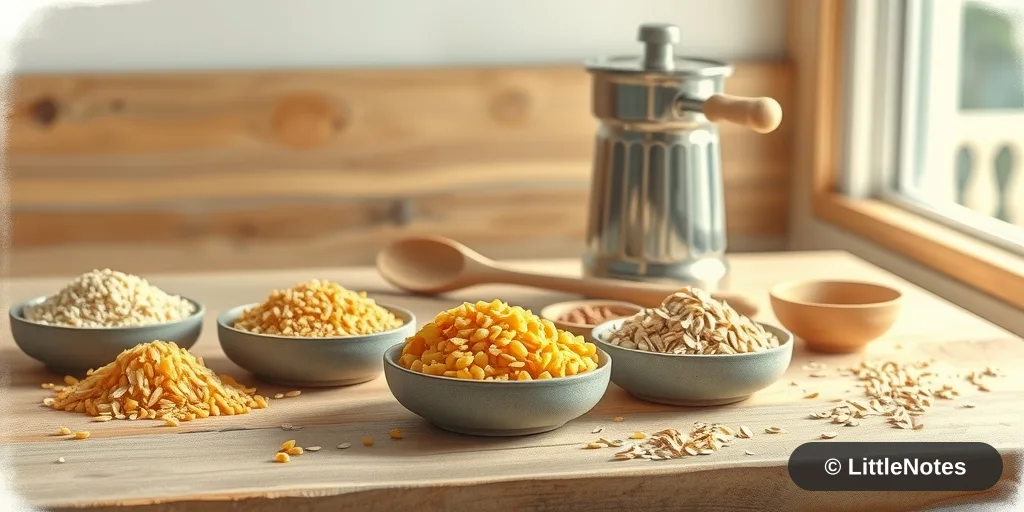
While instant cereal mixes can be convenient for travel or emergency situations, many parents prefer to minimize their daily use in favor of…
Always introduce new foods in the first half of the day so that you can monitor for any reactions while medical help is readily available.
Yes, it is perfectly fine to introduce tamarind into your baby's diet in small amounts. Just as you might use it in a family-style rasam, yo…
It can be incredibly nerve-wracking to notice a reaction after your baby eats a new food. Whether it's a suspicious rash or a change in stool, here is how to handle potential sensitivities. Monitor and Document If you notice a reaction, start a symptom diary. Note the time of exposure, the exact quantity, the method of preparation (e.g., raw vs. steamed), an…
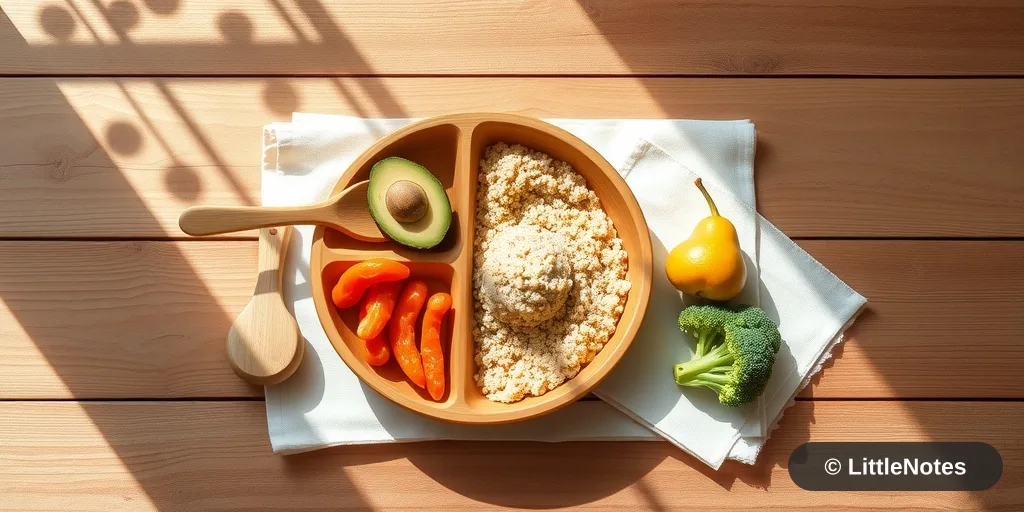
Focus on nutrient-dense meals by adding healthy fats like ghee, butter, or nut pastes, which support brain development and provide energy.
When your baby is unwell, focus on comforting, easy-to-digest foods that provide hydration and gentle nutrition. Warm dal and rice or a mild…
At four months old, your baby is becoming increasingly aware of the world around them. Their wake windows are stretching, and they are starting to show more interest in interaction, making this a wonderful age to engage in simple, intentional play. Making the Most of Wake Time At this stage, you don't need fancy, expensive gadgets to keep your baby entertain…
Sing simple songs like 'Open Shut Them' or perform gentle infant massages to soothe your baby and strengthen your bond.
Place a baby-safe mirror in front of your infant to encourage self-discovery and visual tracking.
Take your baby for a walk in the stroller and point out your surroundings to provide visual and auditory stimulation.
Lay your baby on their tummy during wake windows to help build neck and shoulder strength.
Look for local 'nature baby' programs to expose your infant to the outdoors and social environments.
Offer rattles, tethers, crinkle toys, or the Manhattan Winkle to help your baby practice grasping and sensory exploration.