Community-powered wisdom for first-time parents
Tips on feeding, sleep, milestones, and more — shared by parents who've been there.
Browse tips & articles by topic
Ask questions & share experiences
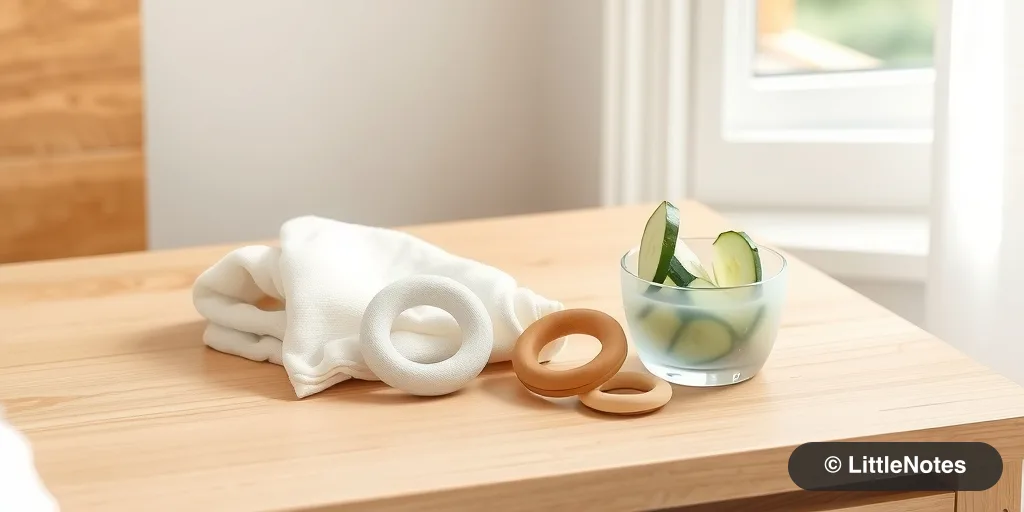
Teething can start as early as 4 months and make everyone miserable. Here are five remedies that parents in our community have found genuinely helpful — from chilled washcloths to silicone teethers. Cold helps numb the gums, so try refrigerating (not freezing) a clean washcloth and letting your baby gnaw on it. Silicone teethers are another favourite — they'…
Singing the same lullaby every bedtime creates a powerful sleep cue. After a few weeks, your baby will start winding down as soon as they hear it.
Zip-up onesies at 3am > button-up onesies. You'll thank yourself later.
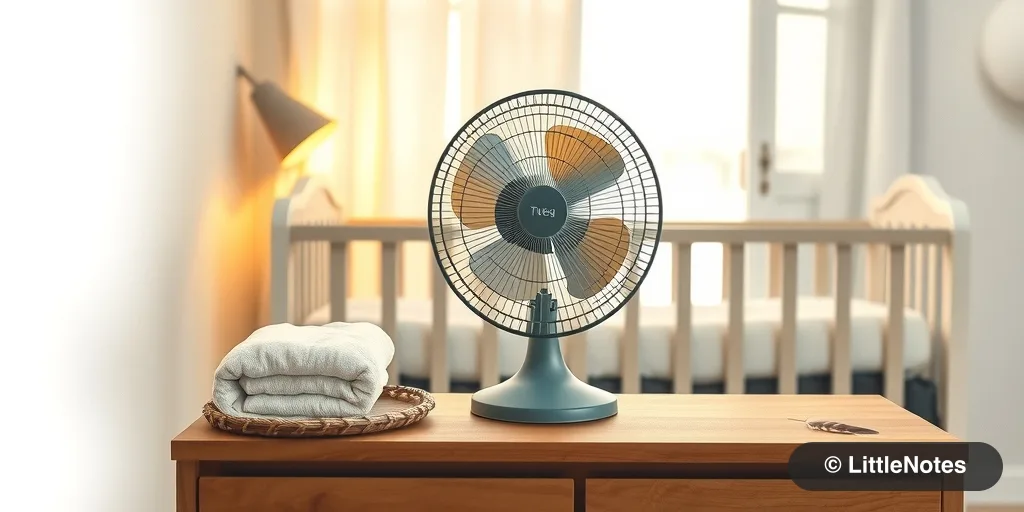
White noise at 50-60 dB works wonders for newborns. A fan across the room is usually the perfect volume — no need for fancy machines.
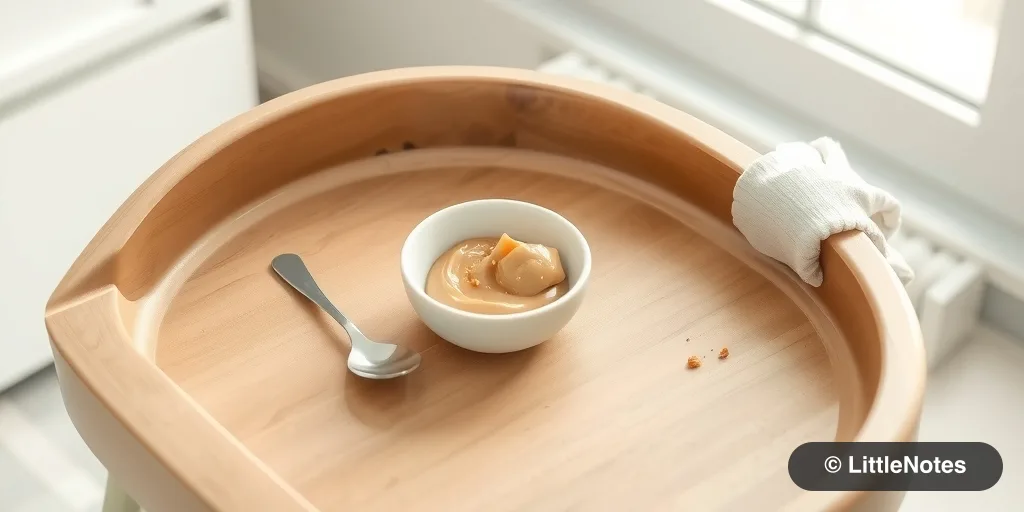
Most babies show signs of readiness for solid foods around 6 months. Look for cues like sitting upright with minimal support, showing interest in what you're eating, and losing the tongue-thrust reflex that pushes food out. Start with single-ingredient purees — sweet potato, avocado, and banana are crowd favourites. Introduce one new food every 3-4 days to w…
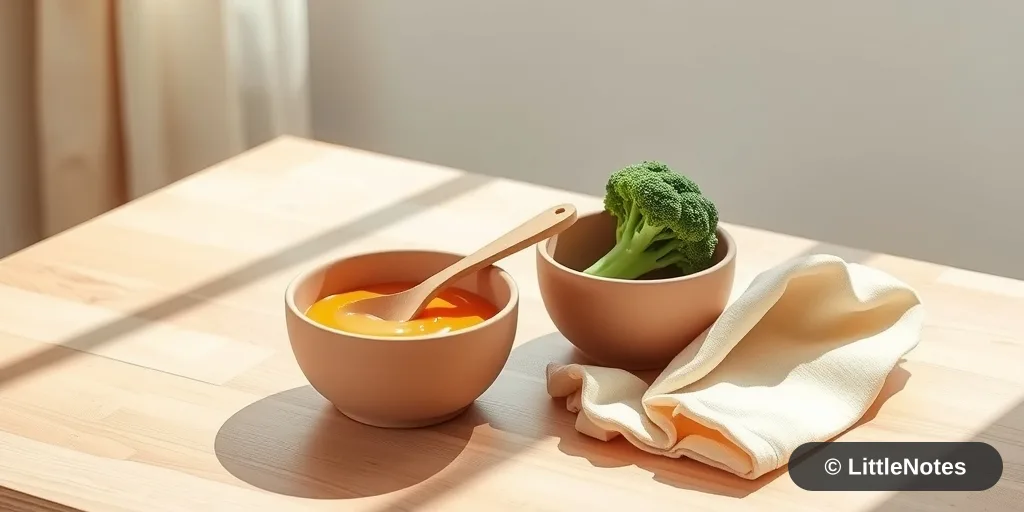
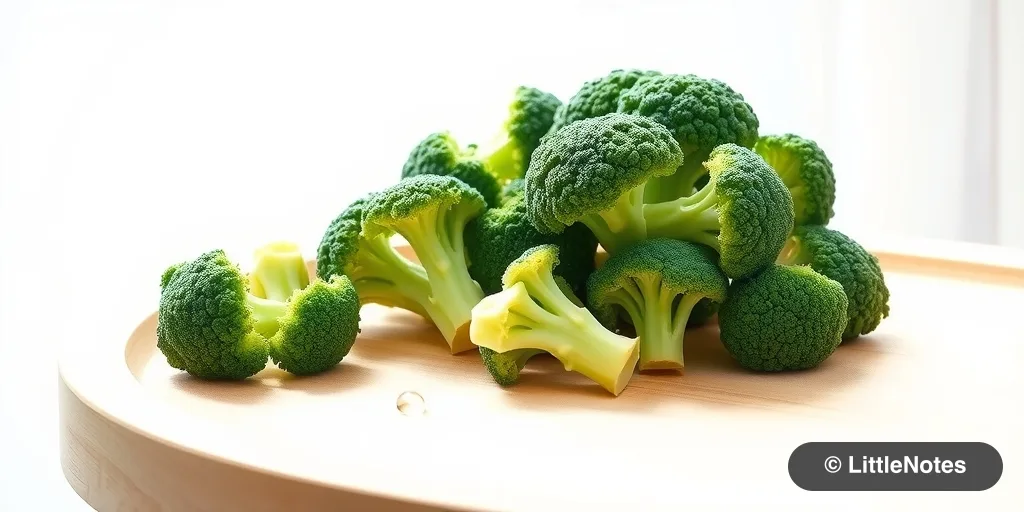
Steaming broccoli for 8 minutes makes it the ideal finger food texture for 9-month-olds — soft enough to gum but firm enough to grip.
Most 10-month-olds are on two naps a day — a morning nap around 9-10am and an afternoon nap around 1-2pm. The transition from 3 to 2 naps us…
Count wet nappies — 6 or more in 24 hours is a good sign. Your baby should also be gaining weight steadily and seem content after feeds. If…
Current guidelines recommend introducing common allergens (peanut, egg, dairy) early — around 6 months — rather than delaying. Start with sm…
Yes — some babies skip crawling entirely and go straight to pulling up and cruising. Every baby's motor development timeline is different. I…
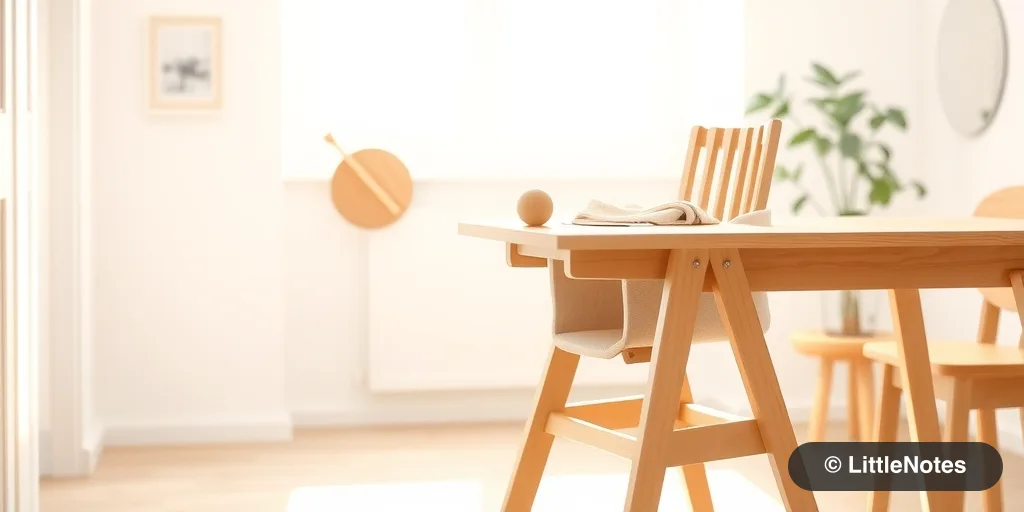
Choosing a high chair is one of the first big gear decisions you’ll make as you enter the world of solids. With so many options on the market, it’s easy to feel overwhelmed, but finding the right one really comes down to your space, your baby’s size, and how long you want the chair to last. Stability and Safety First For many parents, the priority is a chair…
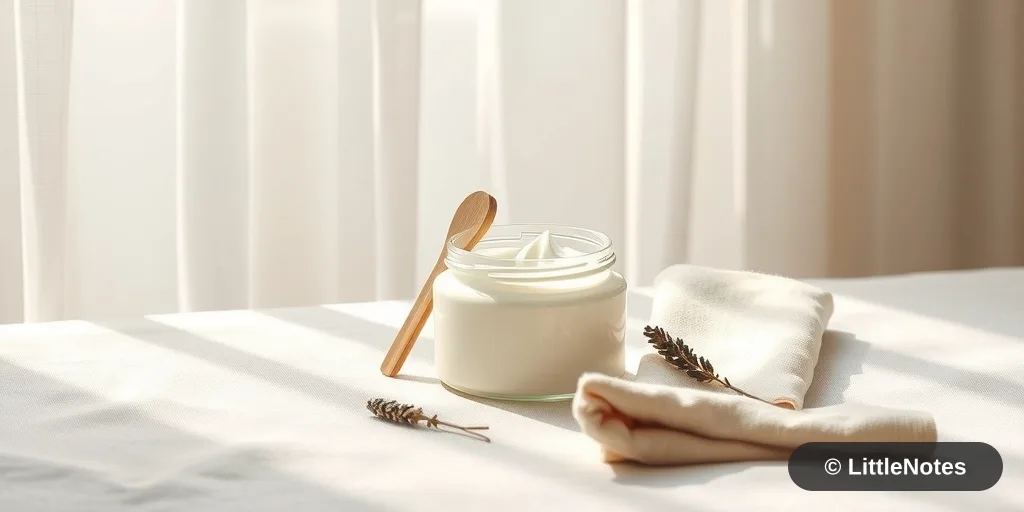
If your C-section scar feels itchy or burning months postpartum, it may be due to dry skin around the incision. Apply a gentle, fragrance-free moisturizer to the area to soothe the irritation.
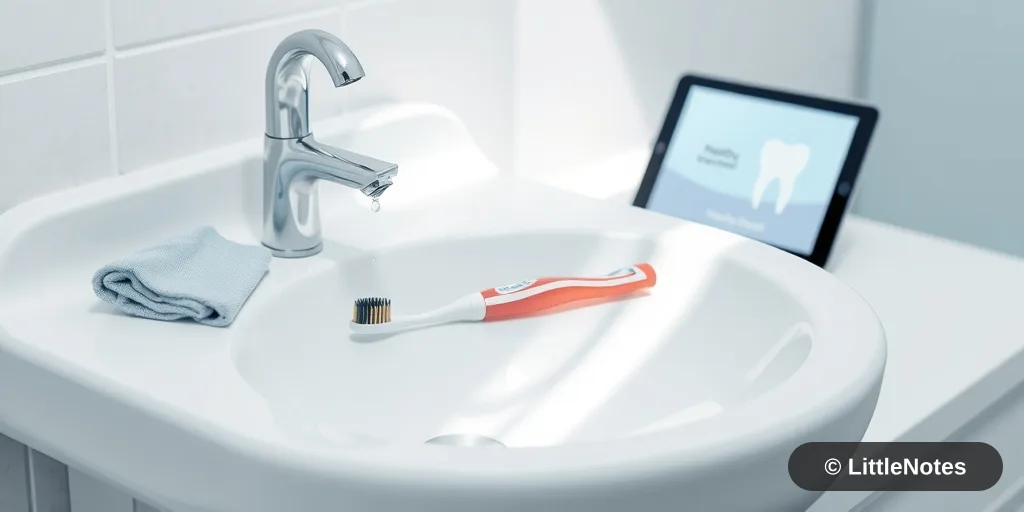
If a toddler resists brushing, show them photos of cavities online to help them visualize the consequences of poor dental hygiene. This visual motivation can be an immediate and effective deterrent against brushing tantrums.
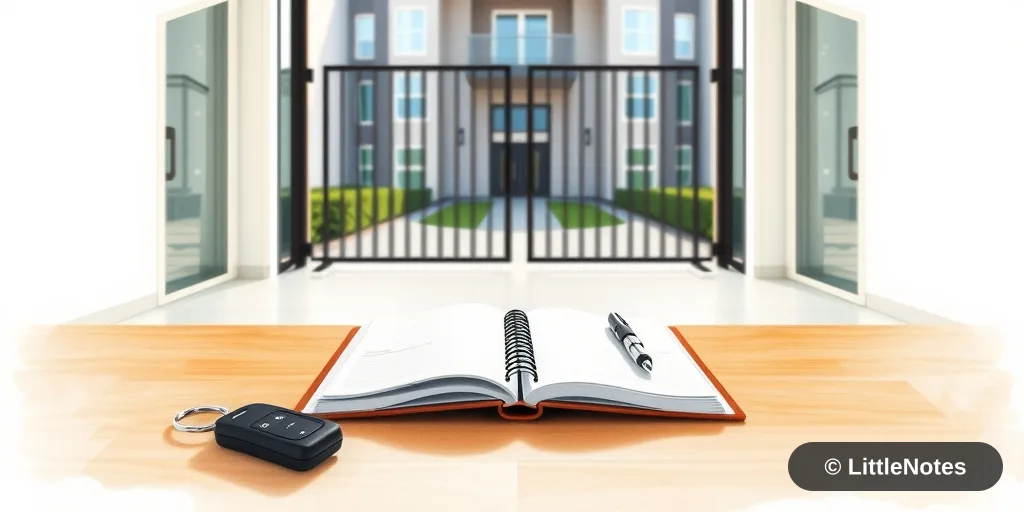
For security reasons, ensure that you have registered your house help's details with the society management/security desk. If you are concer…
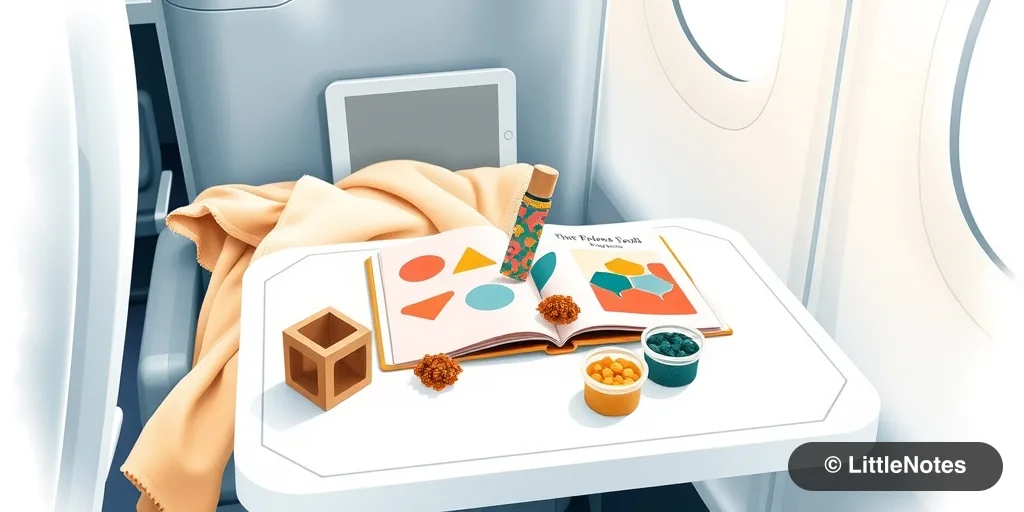
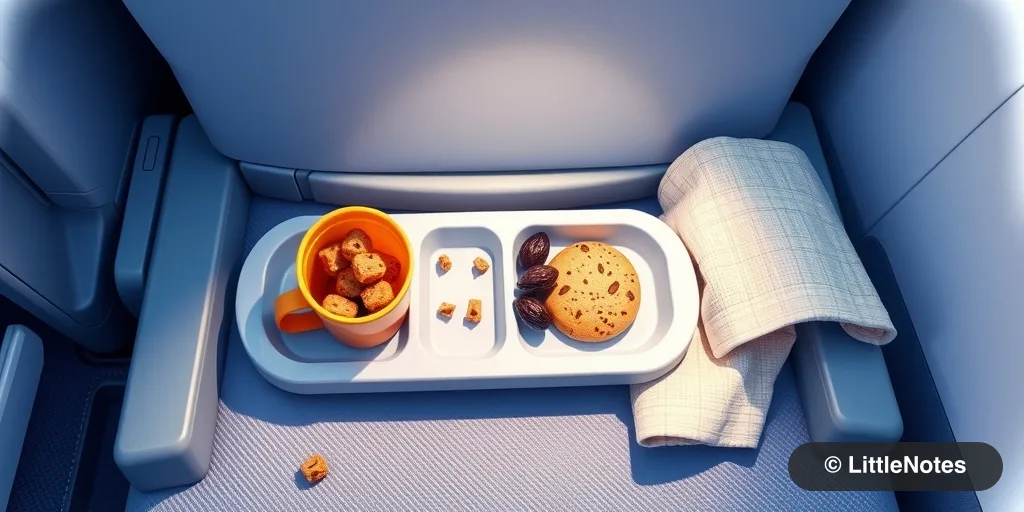
The key to a smooth long-haul flight is variety and engagement. Pack a wide selection of snacks that encourage self-feeding, such as makhana…
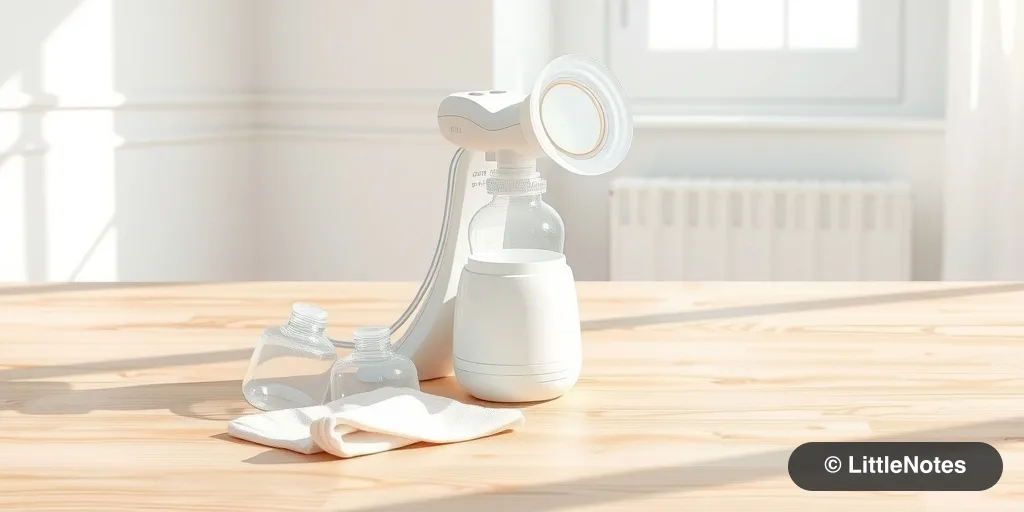
To build milk supply while using a breast pump, pump multiple times a day to mimic a baby’s frequent demand. Ensure you use the correct flange size, as this significantly impacts the efficiency and output of your pumping sessions.
It is a common milestone struggle: just when you think you’ve mastered a sleep routine, your 6-to-9-month-old begins rolling, army crawling, or trying to pull themselves up in the middle of the night. This burst of physical development often leads to frequent night wakings as the baby practices their new skills during the hours meant for rest. First, know th…
To keep an older baby/toddler occupied on long flights, provide small, self-feeding snacks like makhana, raisins, or homemade cookies. These keep them busy and engaged without filling them up entirely.
It is quite common for babies to rub their eyes, especially when they are tired or between sleep cycles. As long as there are no other sympt…
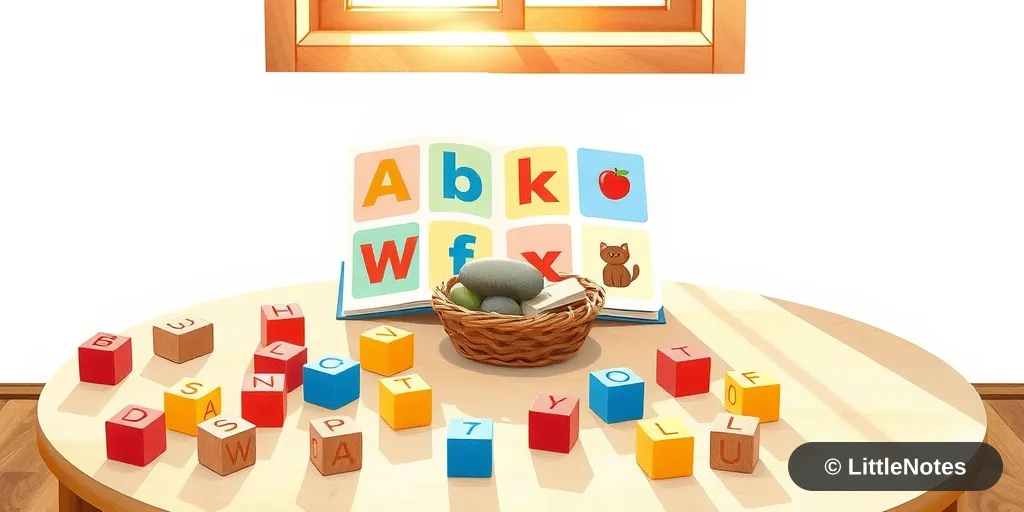
To introduce phonics to a 3-year-old, focus on interactive and visual learning tools. Use phonics-based flashcards and picture books that em…