Community-powered wisdom for first-time parents
Tips on feeding, sleep, milestones, and more — shared by parents who've been there.
Browse tips & articles by topic
Ask questions & share experiences
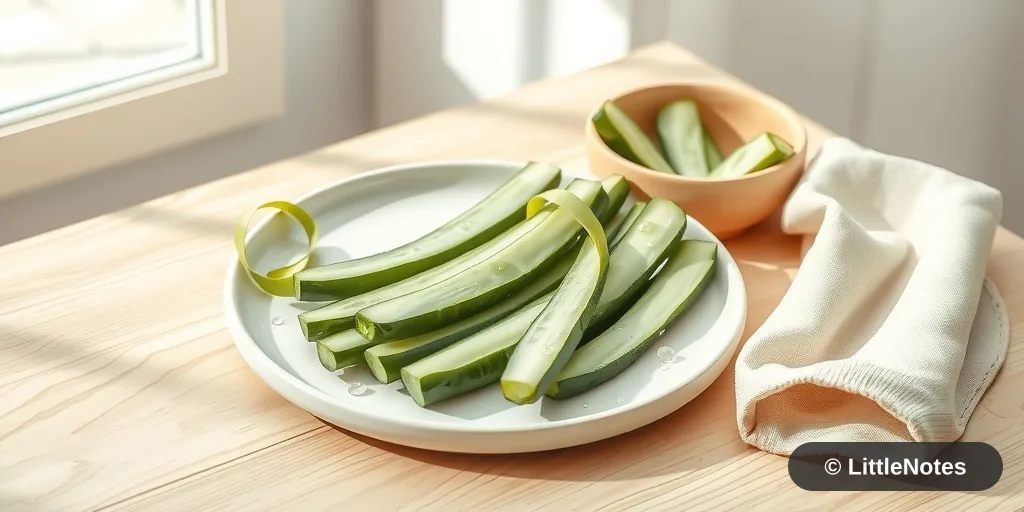
For teething relief in babies who have started solids, offer long, chilled pieces of cucumber. It provides soothing pressure and relief for sore gums.
Navigating a Cow’s Milk Protein Allergy (CMPA) diagnosis can feel overwhelming, especially for new parents. While it is common to feel anxious when your little one experiences discomfort, rest assured that CMPA is a well-documented condition, and with patience and guidance from your pediatrician, you can manage it effectively. What is CMPA? CMPA is an immune…
When navigating food allergies or implementing an elimination diet, the most common allergens to track are milk, eggs, fish, crustacean shel…
Many pediatricians and gastroenterologists recommend continuing breastfeeding even with a CMPA diagnosis. The mother should follow a strict…
CMPA is a clinical diagnosis, not typically identified by a single blood or stool test. Common symptoms include gastrointestinal issues like…
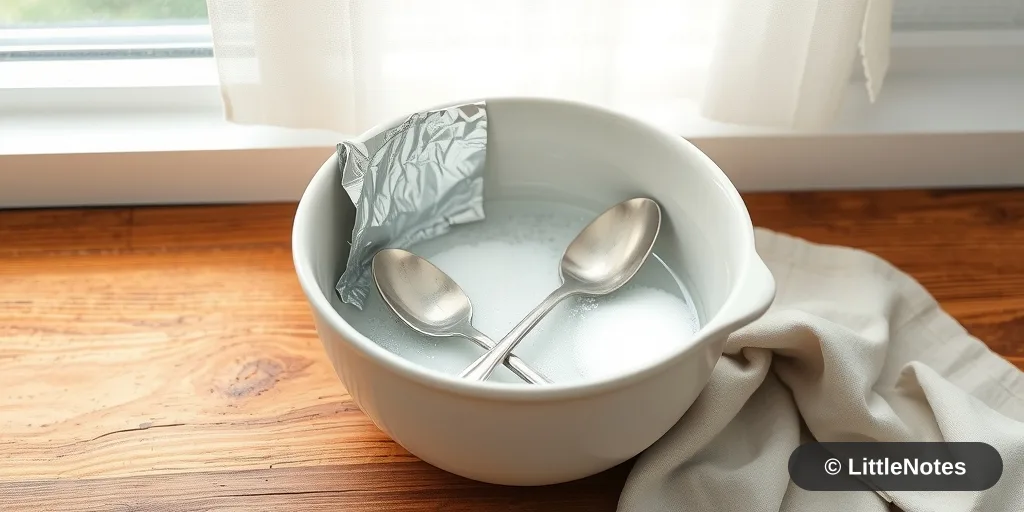
To clean silver baby utensils safely, line a bowl with aluminum foil, place the utensils inside, and add a tablespoon of baking soda. Pour boiling water over them until submerged; the tarnish will lift quickly, allowing you to simply rinse and dry them.
When introducing new foods after a period of gut sensitivity, start with simple, easily digestible items like ragi porridge, rice porridge,…
To handle overnight breast engorgement in the first few weeks, use a warm compress before feeding, express a little milk manually to soften the nipple for easier latching, and as a last resort, apply cold cabbage leaves for no more than 30 minutes to reduce pressure.
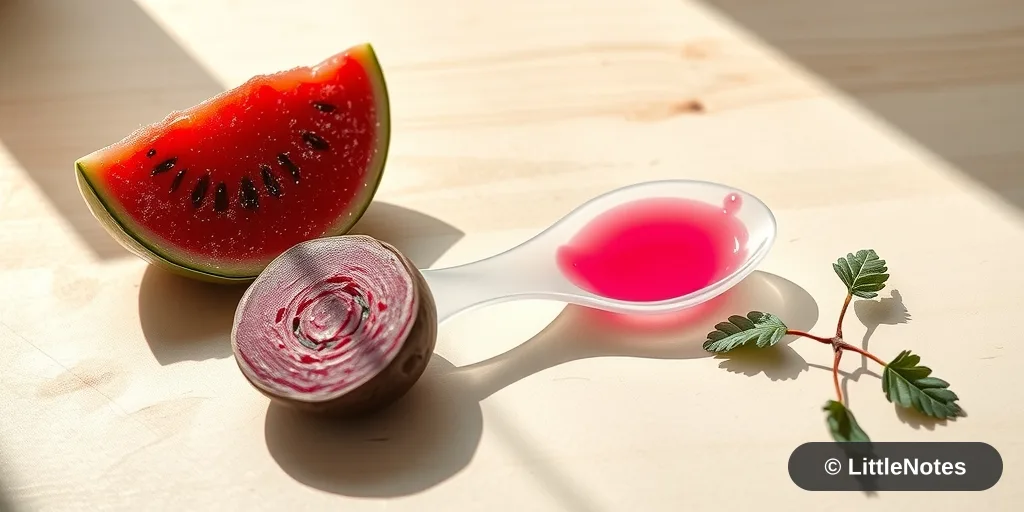
Clear silicone feeding products like nibblers or spoons may change color when they come into contact with pigmented foods like watermelon, beetroot, or papaya; this is normal and usually fades with sun exposure.
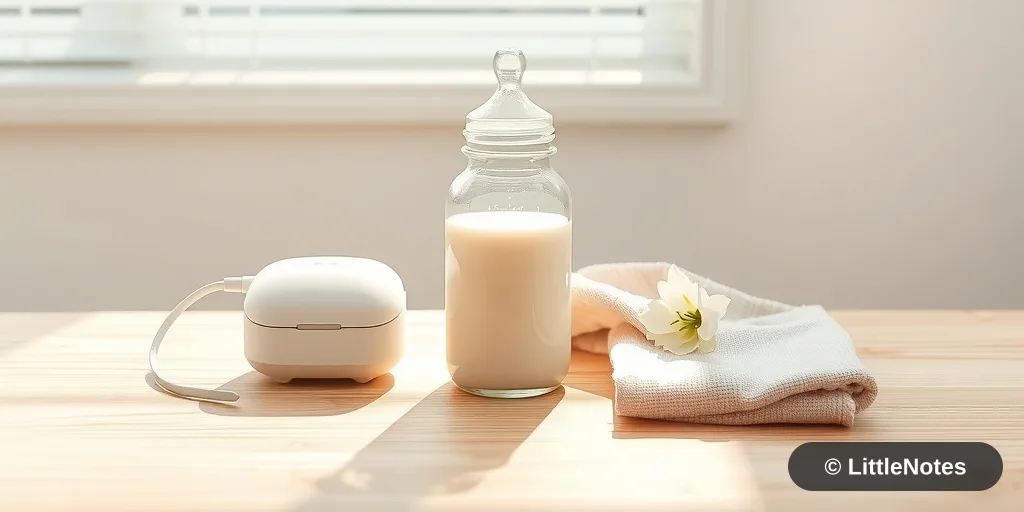
Returning to work is a significant transition, and building a breastmilk supply can provide peace of mind while you are away. Whether you are exclusively pumping or combo-feeding, here is the collective wisdom on managing your stash successfully. Getting Started Start Early: If possible, begin pumping a few weeks before you return to work. Even saving small …
For newborns, feeding every 2-3 hours on demand is typical for the first 8-9 weeks to establish a healthy milk supply and ensure they regain…
If you notice persistent red, itchy patches on a baby's neck despite moisturizing, check if the baby's body lotion or oil is the trigger. Switching to a fragrance-free, sensitive-skin brand like Cetaphil often resolves these unexplained rashes.
Not every instance of mucus in stool is linked to CMPA; it can also be caused by teething, a stomach bug (tummy bug), or the stool passing t…
For postpartum hair care, avoid strong-smelling synthetic perfumes or deodorants. Organic, roll-on deodorants are safer and milder alternatives for use around newborns.
Strong fragrances can be overwhelming for infants, so opting for mild, organic alternatives is a great choice. Look for roll-on deodorants o…
To cook ragi porridge, dissolve 2 tablespoons of ragi flour in 1/2 cup of water until there are no lumps. Cook over a low flame while stirri…
For curly-haired toddlers, use a shampoo-conditioner combo like Aveeno Baby 2-in-1 or The Body Shop Jamaican Castor Oil Cleansing. Avoid brushing curly hair more than necessary. On non-wash days, use water and a leave-in to reactivate curls.
As a first-time parent, it’s easy to feel like you’re stuck in a loop of home routines. Whether you are looking for social interaction for your toddler or just a change of scenery for yourself, local community events and "pop-ups" can be a fantastic way to break the monotony. Community events—like neighborhood "sundowners," maker markets, or family-focused w…
Many parents introduce child-safe plastic scissors around 18 months. At this age, the goal is simply to build fine motor skills and hand-eye…
For toddlers with curly hair, the Aveeno Baby 2-in-1 Hydrating Shampoo & Conditioner is a gentle way to keep curls hydrated and detangled. On days between washes, reactivate the curls and eliminate frizz by lightly misting the hair with water and applying a small amount of leave-in conditioner.