Community-powered wisdom for first-time parents
Tips on feeding, sleep, milestones, and more — shared by parents who've been there.
Browse tips & articles by topic
Ask questions & share experiences
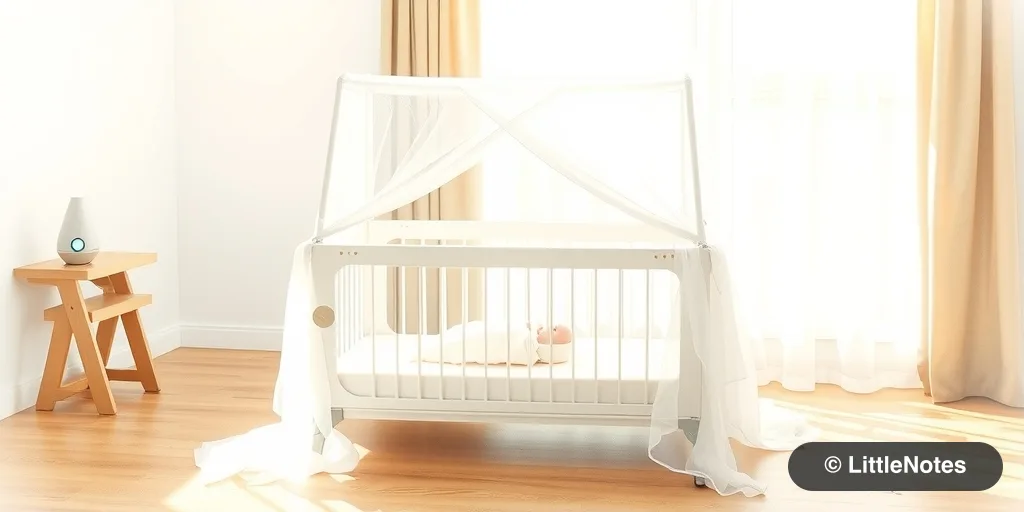
When traveling to areas with high mosquito activity, it is best to use a multi-layered approach. Use mosquito patches on the baby's clothes…
Navigating a dairy-free diet while breastfeeding or managing an infant with a Cow Milk Protein Allergy (CMPA) can feel like a steep learning curve. If you have been advised to eliminate dairy, consistency is the most important factor in seeing results. The Elimination Timeline When eliminating dairy protein from your diet (if breastfeeding) or your baby’s di…
For a thorough elimination of dairy proteins from the system, a period of 4 to 6 weeks of strict avoidance is generally recommended. It is i…
When following a dairy elimination diet, it takes approximately 4-6 weeks for traces to completely leave the system. If accidental consumption occurs, the entire 4-6 week cycle resets, so strict consistency is key.
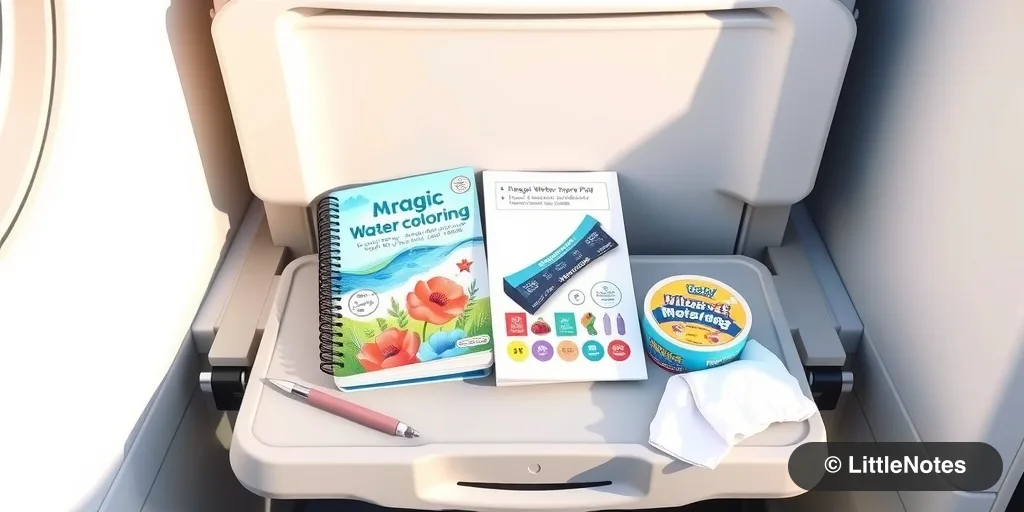
For long-haul flights with toddlers, bring sensory-rich toys like playdough, sticker books, or 'magic water' coloring pads. These keep little ones occupied without creating a mess in the cabin.
If you are struggling with jet lag after international travel, try a middle-ground sleep schedule that blends India and local timezones. Ensure your child gets plenty of natural light and fresh air during the daytime to help reset their internal clock.
Traveling with a toddler is much smoother when you focus on flexibility and routine. Many parents recommend choosing destinations that offer…
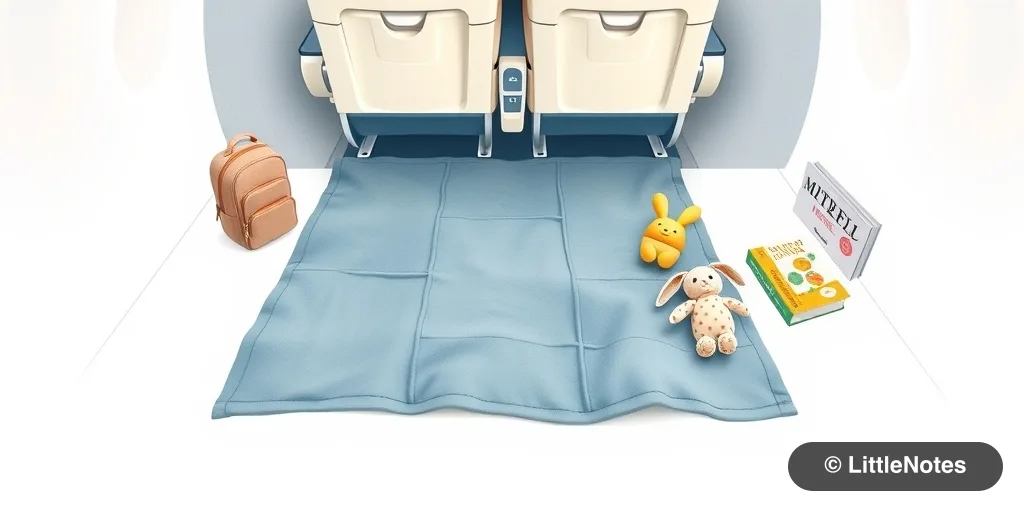
When traveling with a toddler, book a first-row seat to maximize legroom. This space allows your child to play safely on the floor and gives you extra room to manage their needs.
Montessori schools focus on child-led, independent learning and hands-on activities, which many parents find aligns well with their child's…
When traveling with a 9-month-old, carry homemade cerelac, roasted rava for instant upma, and pre-roasted ground oats. You can mix these with hot water for a quick meal, or request dal khichdi from hotel kitchens.
When a school claims CCTV footage is for internal use only, remember that you are the parent and the child's guardian. If an incident occurs, request access to the footage immediately and use screen recording or official requests to document safety breaches.
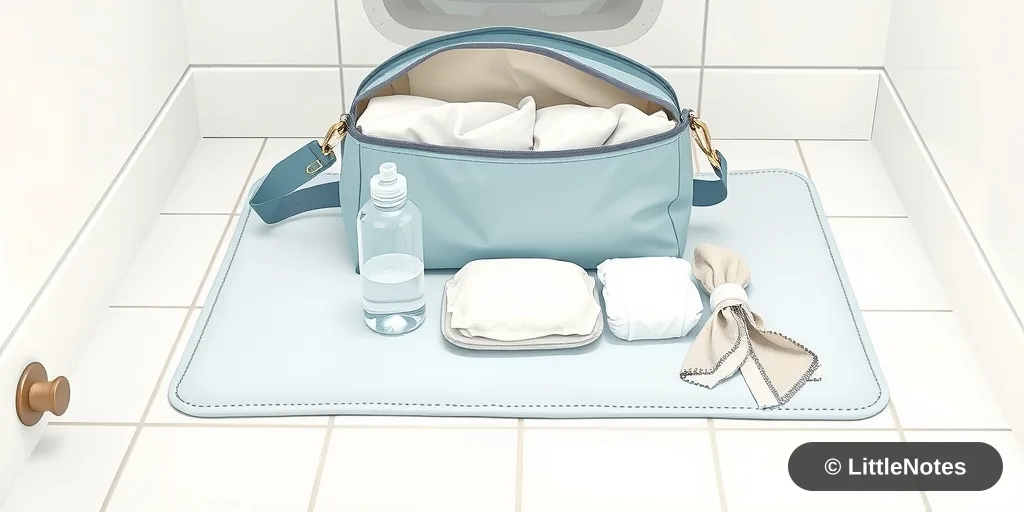
When traveling, avoid washing a baby's bottom in public washbasins to maintain hygiene for other users. Instead, carry a small water bottle for cleaning purposes or use wet wipes, and use the stall toilets for the cleanup process.
When a proper changing station isn't available, rely on wet wipes for the initial clean-up. Avoid using public washbasins for washing your c…
Aptamil Gold stage 1 works fine beyond 6 months — stage 2 is mostly marketing according to many paediatricians and can cause constipation. Do not feel pressured to upgrade formula stages.
If you have ever been holding your baby and suddenly had a frightening image of something going wrong, you are not alone. These 'intrusive thoughts'—often referred to by parents as feeling like living in a disaster movie—are surprisingly common in the postpartum period and beyond. What Are Intrusive Thoughts? Intrusive thoughts are involuntary, unwelcome, an…
Deciding whether to add another member to your family is a deeply personal journey, often filled with conflicting emotions and societal expectations. For many parents, the choice to have one child—being 'one and done'—is a thoughtful decision based on balancing lifestyle, financial stability, and emotional capacity. The Balancing Act Many parents find themse…
Intrusive, worrying thoughts about your baby's safety are a very common part of the postpartum transition and are often referred to by paren…
When your baby rolls over immediately after a feed causing spit-up, try holding them for 15-20 minutes after eating and provide gentle distractions to keep them upright. As they become more accustomed to tummy time, the frequency of post-feed spit-ups often decreases.
Discovering that your child has been hurt at school is every parent’s worst nightmare. When a setting that is meant to be a safe haven fails to provide adequate care, it can leave you feeling helpless, angry, and unsure of your next steps. While we hope our children’s schools are always on top of their game, it is vital to know how to advocate for your child…
If a school refuses to take responsibility for a child's injury, prioritize gathering written communication, medical notes, and photos as proof. If internal resolution fails, consider approaching the Department of Education or filing a consumer complaint.