Community-powered wisdom for first-time parents
Tips on feeding, sleep, milestones, and more — shared by parents who've been there.
Browse tips & articles by topic
Ask questions & share experiences
For newborns crying persistently at 6-8 weeks, try gentle bouncing on a gym ball, warm baths, or a change of scenery like a car ride to help calm them through this common peak colic period.
If your baby is gassy, try the 'colic hold' or perform gentle exercises like bicycle legs and knee-to-chest movements to help them release trapped air. Always burp your baby religiously after every feed.
It is completely heart-wrenching to watch your newborn cry, especially during those early weeks when they seem inconsolable. If your baby is going through a period of persistent fussiness, know that you are not alone—this is a very common part of the newborn experience. Around the 6-to-8-week mark, many parents notice a significant increase in crying. This o…
If your toddler has loose motions, offer bland, easy-to-digest foods like dahi chawal (yogurt rice) and bananas. Prioritize hydration with liquids the baby enjoys until the stools firm up.
When a toddler has a stomach infection resulting in watery stools, focus on hydration and bland, easily digestible foods like dahi chawal (y…
Finding a diaper that lasts through the night without causing leaks or rashes is a rite of passage for many parents. Every baby is different, and often, it takes a bit of trial and error to find the perfect match for your little one’s unique needs. If you are searching for a solution that handles heavy wetting while keeping your baby’s skin protected, consid…
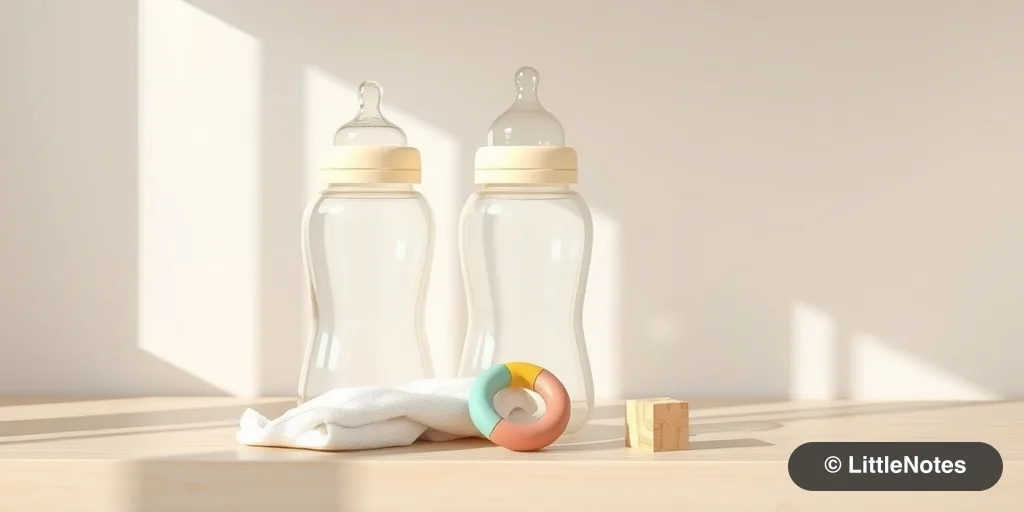
If your baby refuses a bottle, avoid forcing it, as this can worsen the aversion. Instead, try giving them the bottle as a toy to play with, offer different nipple flow rates, or experiment with different teat shapes; sometimes a brand change like Comotomo or MAM can make a difference.
During supervised water play, place a shallow pan of water with floating rattles outside. This provides sensory stimulation and entertainment for infants who enjoy splashing.
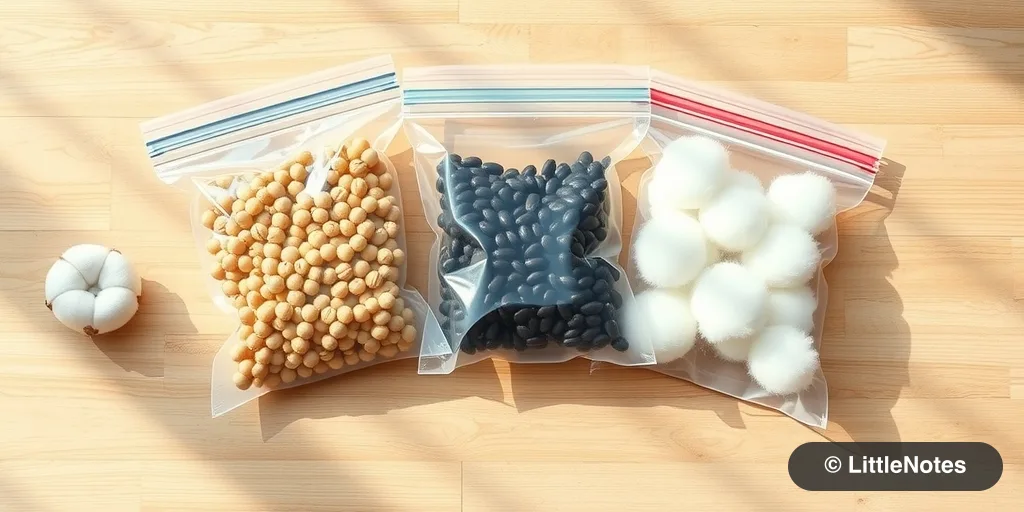
For sensory play, fill ziplock bags with items like dried chickpeas, beans, or cotton balls. This allows babies to explore different textures safely without any mess.
When your baby turns away during a feed, they may just need a burp or a short break. Try pausing for a few minutes before offering the breast or bottle again rather than assuming the feeding session is over.
In the early months, it is natural to find yourself staring at growth charts and stressing over every milliliter your baby consumes. Between the conflicting advice from well-meaning relatives and the pressure to meet "ideal" intake numbers, it’s easy to feel like you’re doing something wrong if your baby doesn't match the standard chart. Here is a simple tru…
Instead of worrying about ideal intake charts, monitor your baby's weight gain, activity levels, and ensure they have 6-8 wet diapers daily. Healthy babies are generally good at self-regulating their appetite.
It is completely normal to feel a bit anxious when your little one hits a milestone or goes through a vaccination schedule. It’s not uncommon for babies to experience changes in sleep patterns or appetite immediately following vaccinations, especially if they coincide with other developmental milestones like teething. If your baby is feeling fussy or refusin…
When a baby is teething and refuses milk, offer small, frequent feeds rather than trying to force a full feed. You can soothe their gums with chilled fruits or by letting them gnaw on your clean, washed finger.
It is common for infants to experience a temporary decrease in interest in both food and milk following vaccinations or the onset of teethin…
Deciding on a formula can feel overwhelming, especially with the sheer variety of options on the market. Whether you are combination feeding or exclusively formula feeding, the best formula is one that your baby tolerates well and that aligns with your family's needs. When exploring options, many parents prioritize formulas that are easy on the digestive sys…
Biting and pulling at a young age are typically ways for toddlers to explore their environment or express excitement, not intentional aggres…
It can be incredibly stressful when your toddler acts out at a park or play arena. Whether they are biting, pulling, or pushing other children, it often feels like a spotlight is on you. First and foremost, know this: at this age, these behaviors are rarely born from malice. More often than not, it is your little one’s way of exploring their environment or e…
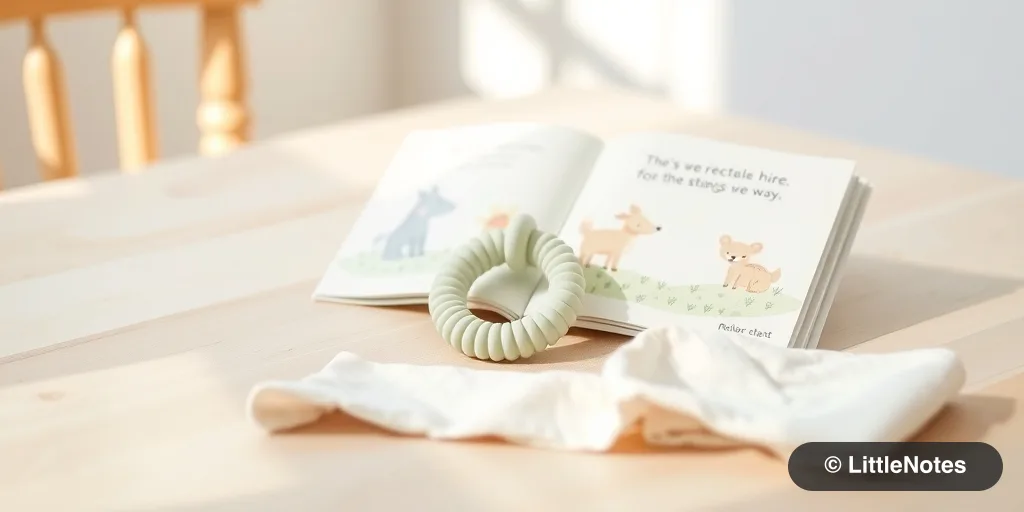
Help children understand boundaries by reading books like 'Teeth Are Not for Biting' and 'Hands Are Not for Hitting.' These visual tools reinforce gentle behavior in a way that is easy for toddlers to grasp.
To address biting or hitting, stay calm and keep your reaction minimal. Use a clear, firm phrase like 'No biting, biting hurts,' then immediately redirect the child to a positive activity like hugging a toy or using a teether.