Community-powered wisdom for first-time parents
Tips on feeding, sleep, milestones, and more — shared by parents who've been there.
Browse tips & articles by topic
Ask questions & share experiences
If you are worried about the safety of hair coloring while breastfeeding, look for ammonia-free dyes and consult your gynecologist. Many practitioners confirm that coloring hair once every month or two does not adversely affect nursing infants.
Many mothers are concerned about using chemicals while nursing, but ammonia-free hair colors are generally considered a safer option. If you…
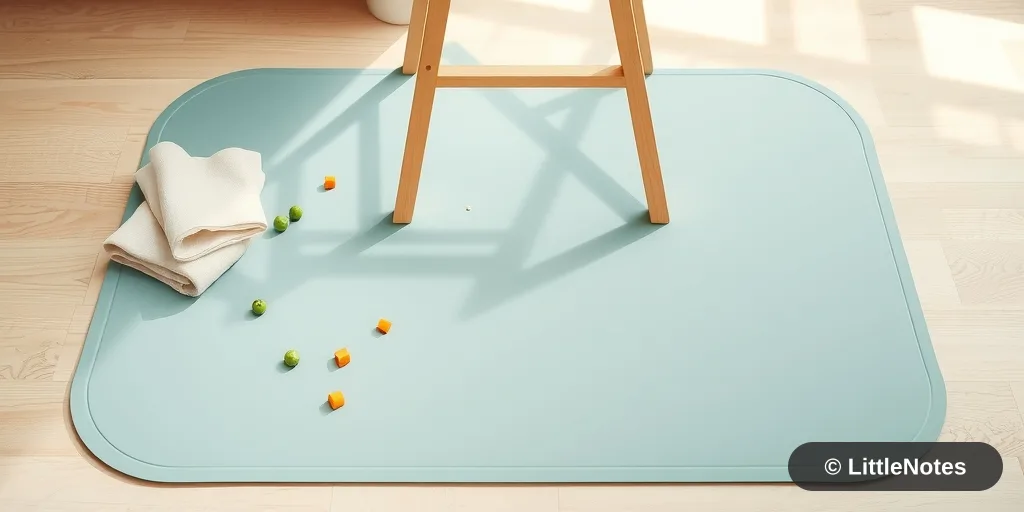
To catch food spills during self-feeding, place a waterproof rubber or plastic sheet under the high chair. Basic shower curtains from online retailers also serve as effective, low-cost splat mats.
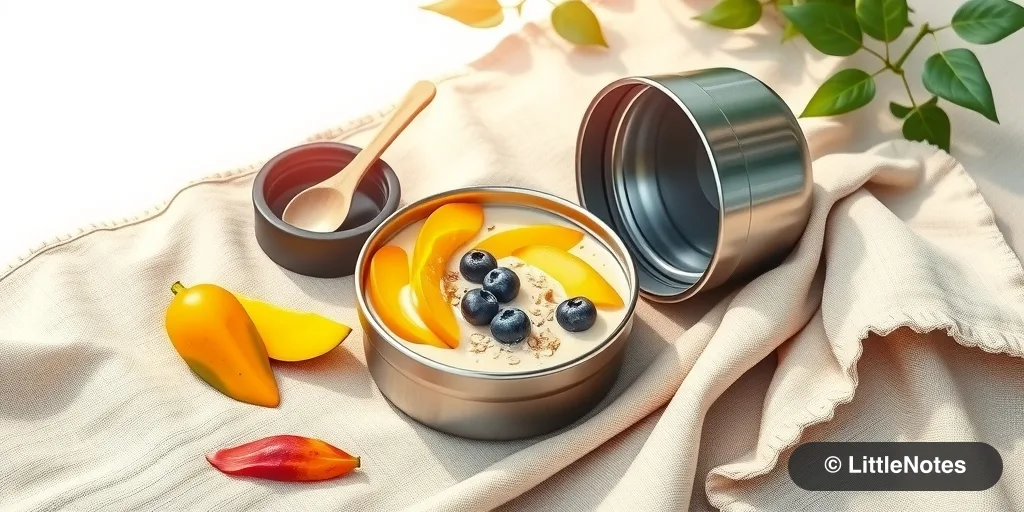
When traveling, oats and ragi are excellent options. They can be quickly prepared with boiling water and combined with locally sourced fresh fruits or vegetables.
Planning a trip with an infant who has just started solids can feel daunting, but it doesn’t have to be complicated. When you're on the move, the best meals are those that require minimal equipment and can be prepared using just boiling water. Pantry Staples for Travel Oats & Ragi: These are travel MVPs. They are incredibly easy to prepare by simply mixing w…
Self-feeding is a major milestone, but it almost always comes with a side of chaos! When your little one is learning to handle food, the mess on the floor can quickly become overwhelming. Here are some simple, budget-friendly ways to contain the debris. Splat Mat Solutions Shower Curtains: A standard plastic or rubber shower curtain is an incredibly effectiv…
If your baby bites during breastfeeding, immediately end the feed and firmly but calmly state, 'We don't bite, that hurts mommy.' Maintaining a consistent boundary without a big emotional reaction helps the baby learn cause and effect.
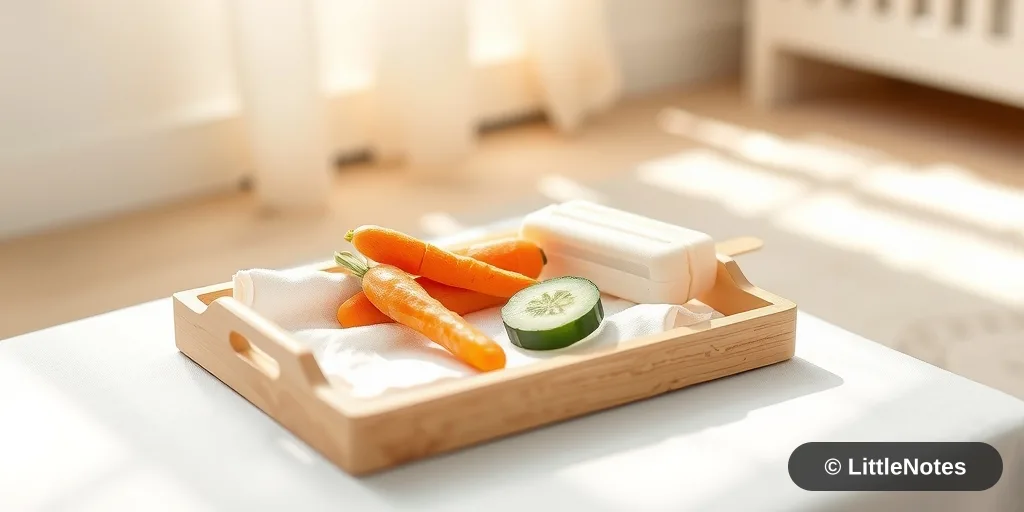
When a breastfed baby bites due to teething, offer cold items like chilled carrot sticks, cucumber slices, or breast milk popsicles outside of feeding times to provide relief for sore gums.
For minor breast soreness from pumping, hydrogel pads or lanolin-based nipple creams are highly recommended. You can apply a small amount of expressed breast milk to the area as a natural, soothing first step.
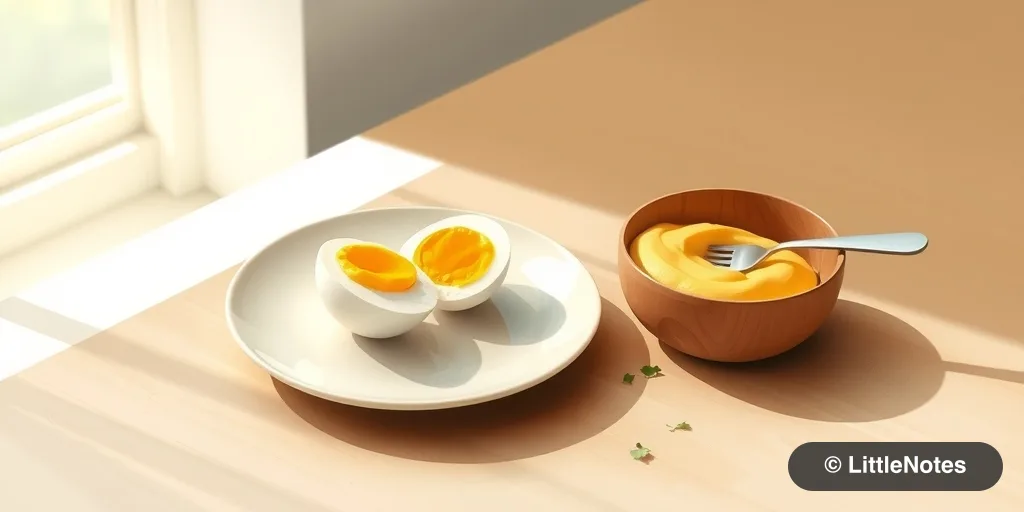
Eggs can be introduced as early as 6-7 months if your doctor recommends it. You can start by boiling the egg and mashing it thoroughly with…
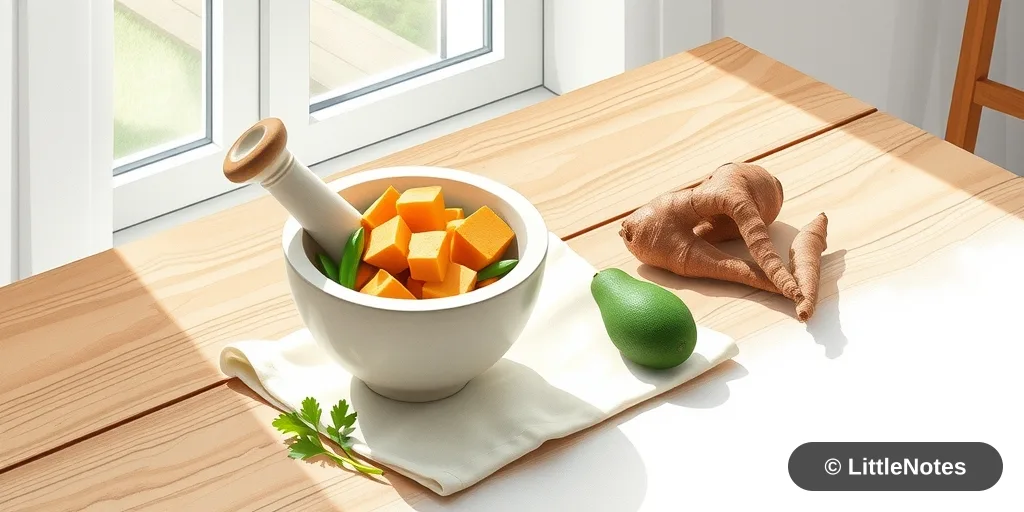
You do not need an electric blender for baby food. Hand-mashing ingredients is highly effective and helps the baby get accustomed to important food textures as they transition to solids.
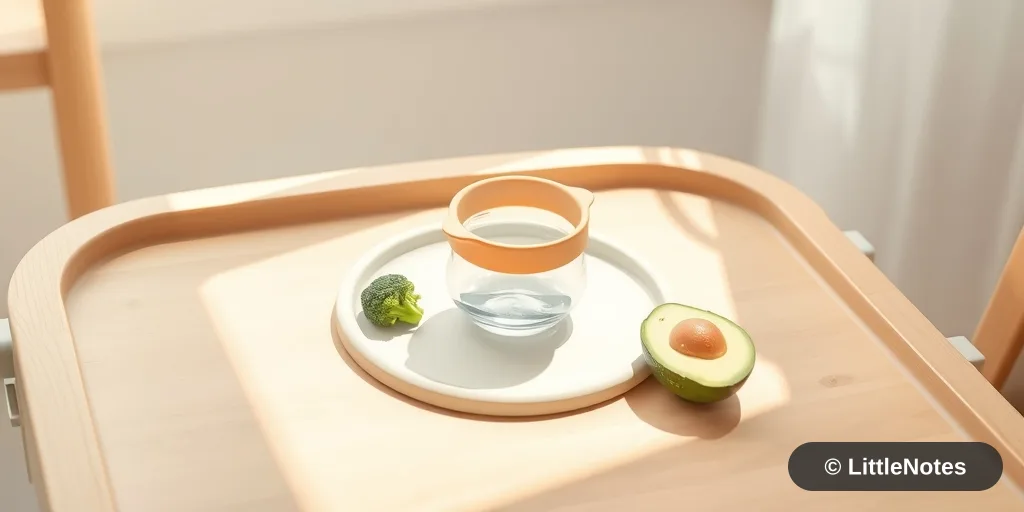
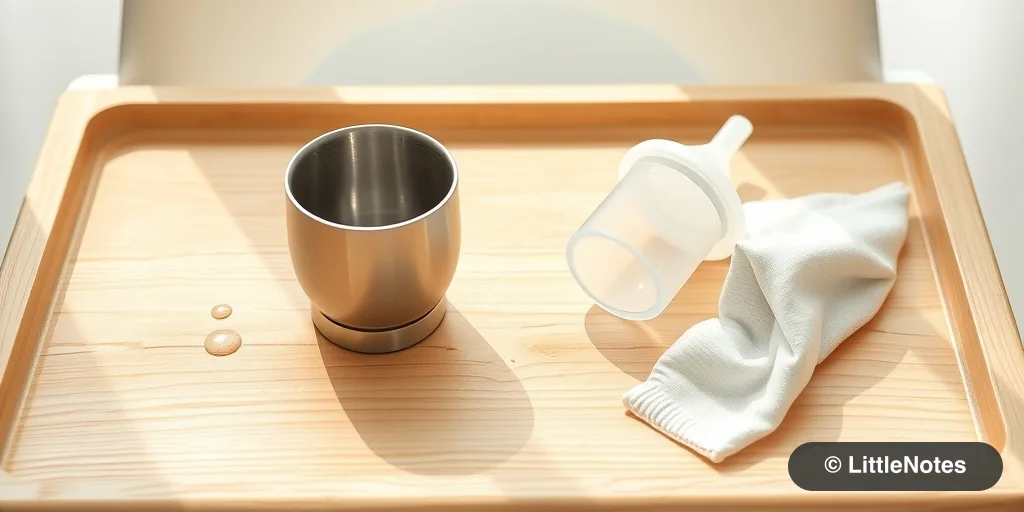
Introducing liquids other than breast milk or formula can feel like a new hurdle for parents of 6- to 9-month-olds. While the goal is to help your baby master new motor skills, it is perfectly normal for the process to be messy! Open Cups vs. Sippy Cups Many experts recommend skipping traditional sippy cups. While they are convenient, they don't help your ba…
Sippy cups are generally not recommended because they can impact oral development and do not help the baby learn the skill of open-mouth sip…
To normalize the use of open cups, model the behavior by letting your child watch you drink from a glass during mealtimes. Keep a small tumbler available for them at every meal, even if they initially play with it or refuse.
If your pediatrician approves, the "milk ladder" approach is often used to reintroduce dairy by starting with highly processed options, such…
If you need to avoid ghee, you can use healthy plant-based alternatives like cold-pressed coconut oil, olive oil, or mustard oil for cooking…
If your baby rejects grains like oats or rice porridge, try mixing them with fruits or vegetables they already enjoy, such as banana or pump…
Mucus in stool can be a normal occurrence in infants as their digestive systems mature, but it can also be a sign of irritation or underlyin…
Yes, white, curd-like vaginal discharge is commonly observed in infant girls and is usually normal. Ensure proper hygiene by cleaning the ar…
For C-section recovery, avoid placing direct pressure or massage on the incision area until sutures are fully healed. Once healed, C-section scar mobilization exercises can help improve tissue mobility and comfort.