Community-powered wisdom for first-time parents
Tips on feeding, sleep, milestones, and more — shared by parents who've been there.
Browse tips & articles by topic
Ask questions & share experiences
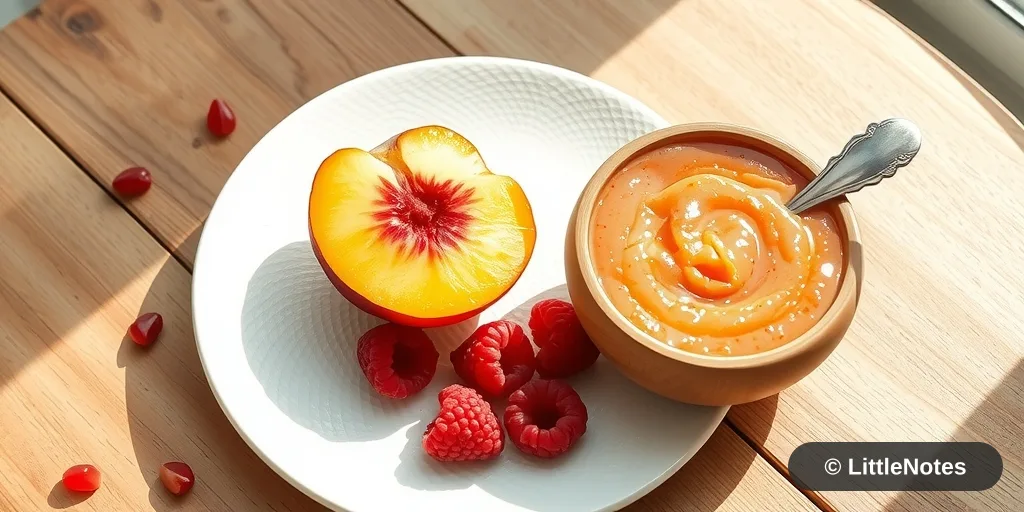
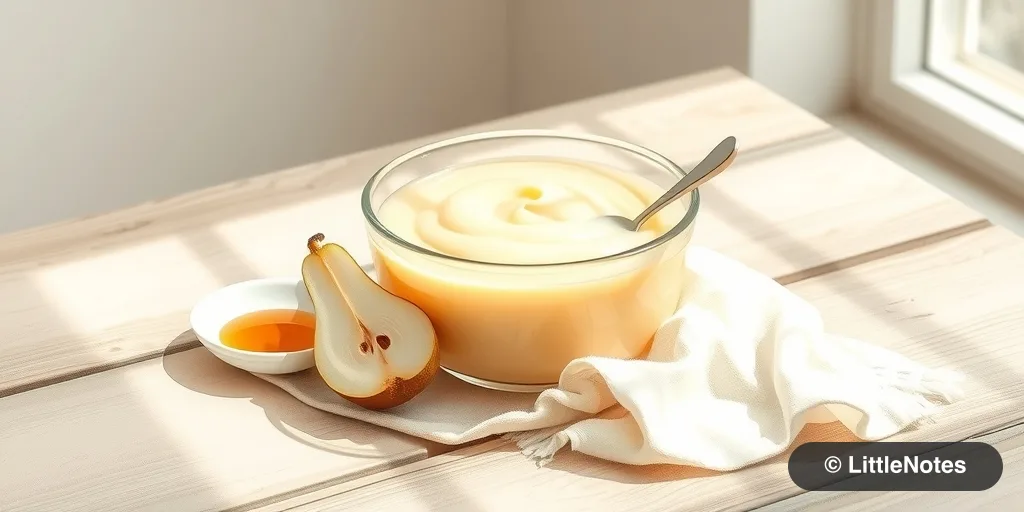
Avoid fruit juices for infants, as they are high in sugar and lack the fiber found in whole fruits. If you want to introduce fruits, offer them as purees or smoothies once you have tested for allergens.
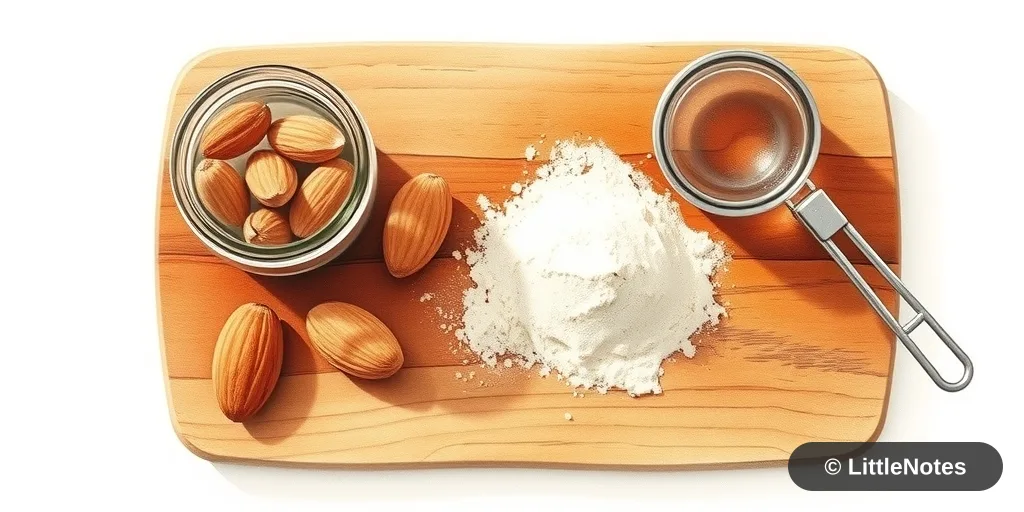
To test for nut allergies, introduce one nut at a time using the 3-day rule. Soaking, peeling, and powdering the nuts makes them easier to digest and safer to consume.
Fruit juice is generally not recommended for infants because the juicing process removes the beneficial fiber, leaving behind concentrated s…
Tailbone pain is a common experience due to muscle weakness, stress, or the physical trauma of birth. To find relief, avoid sitting directly…
Many parents experience tailbone pain in the months following childbirth. Whether you had a natural birth or a c-section, this discomfort is more common than you might think. It is often linked to the physical trauma of birth, weakened core muscles, and the sudden changes in your posture as you navigate infant care. Why the Pain Persists In the postpartum pe…
To build a library of books affordably, join online communities or rental services that offer pre-loved, hand-picked books. These services often sanitize and catalog their books, ensuring they are safe for young children.
Choosing a preschool is a significant decision. Parents recommend creating a shortlist based on your location and then seeking out first-han…
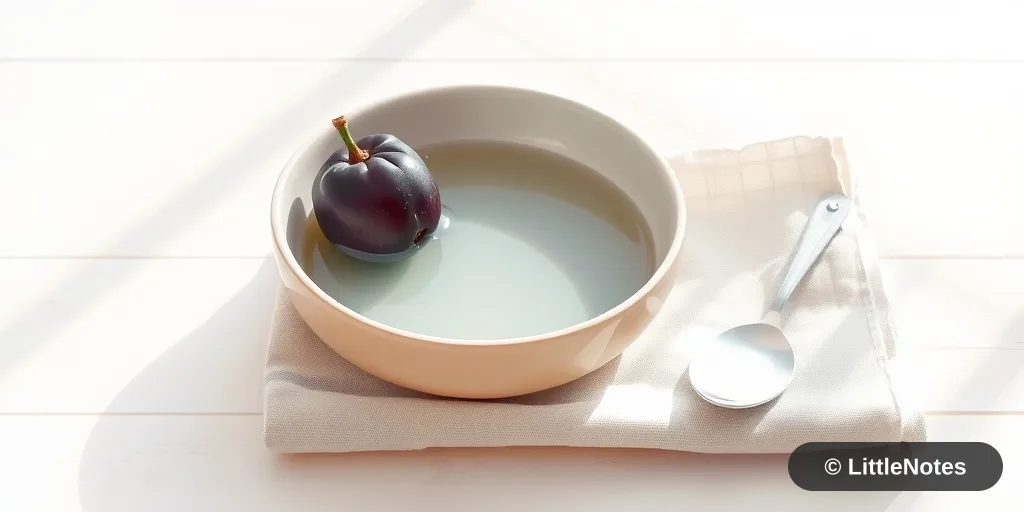
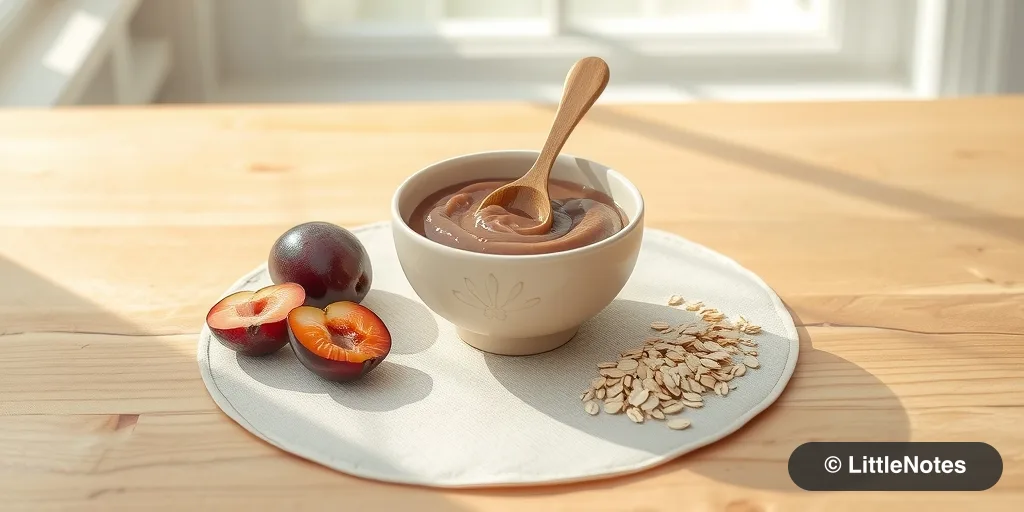
If your baby is constipated, try prune water by soaking one prune in half a bowl of water until it softens. Mash it with a spoon and feed it to the baby without straining to ensure they get the fiber.
If your child vomits after a meal, end the mealtime calmly without forcing more food. Ensure they stay hydrated and try again at the next scheduled meal, as gagging on textures or overfeeding are common causes.
Constipation is a common hurdle when introducing solids. To ease digestion, ensure adequate hydration through breastmilk or formula and offe…
It is not uncommon for babies to experience mild constipation when starting solids, as their digestive systems adjust to new fiber sources. If your little one seems uncomfortable, there are gentle, natural ways to provide relief. Immediate Soothers Hydration: Always ensure your baby is getting enough breast milk or formula. Offering small sips of water after…
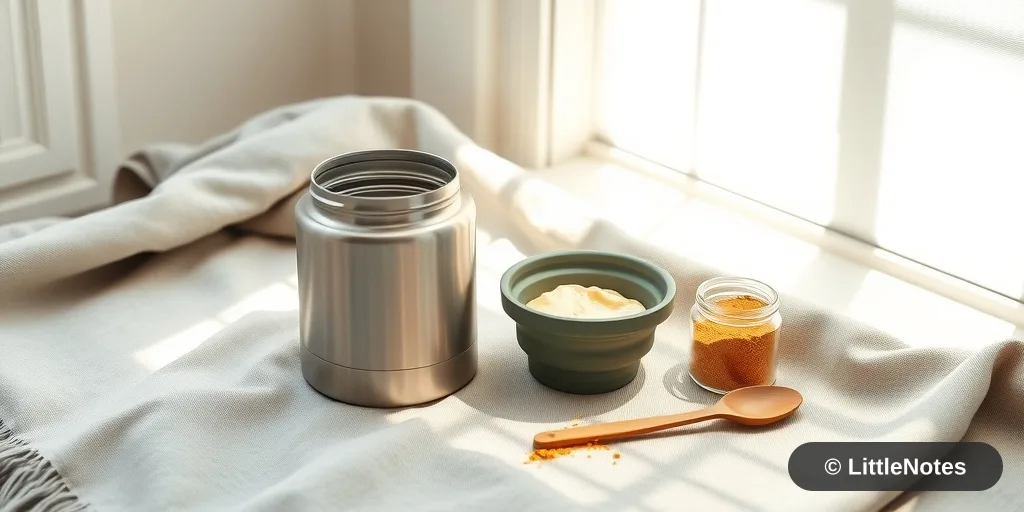
For travel, create your own easy-to-prep meals by roasting and powdering poha and roasted channa dal. This mix can be rehydrated with hot water for a quick, nutritious, and familiar grain-based meal on the go.
For stress-free travel, focus on portable staples and base powders. You can carry sprouted ragi flour, roasted and powdered poha with channa…
Most pediatricians recommend waiting until a baby is at least 6 months old before introducing sunscreen. Before this age, it is safer to pro…
There is no scientific evidence that dairy must be avoided after a C-section unless you have a specific lactose sensitivity or your baby sho…
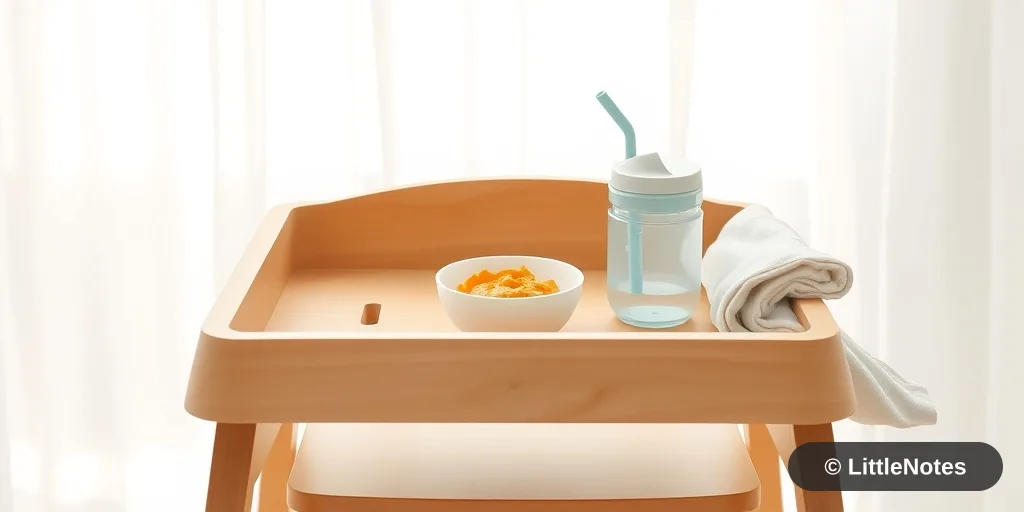
When teaching your baby to drink from an open cup, fill it only 3/4 full and bring it to their lips, tilting it just until the water touches them. Let the baby control the pace of the sip, which helps prevent choking and encourages independent drinking.
Limit dates to 1-2 per day for toddlers due to their high sugar content. Whenever possible, incorporate dates into recipes that contain fiber or protein rather than offering them alone.
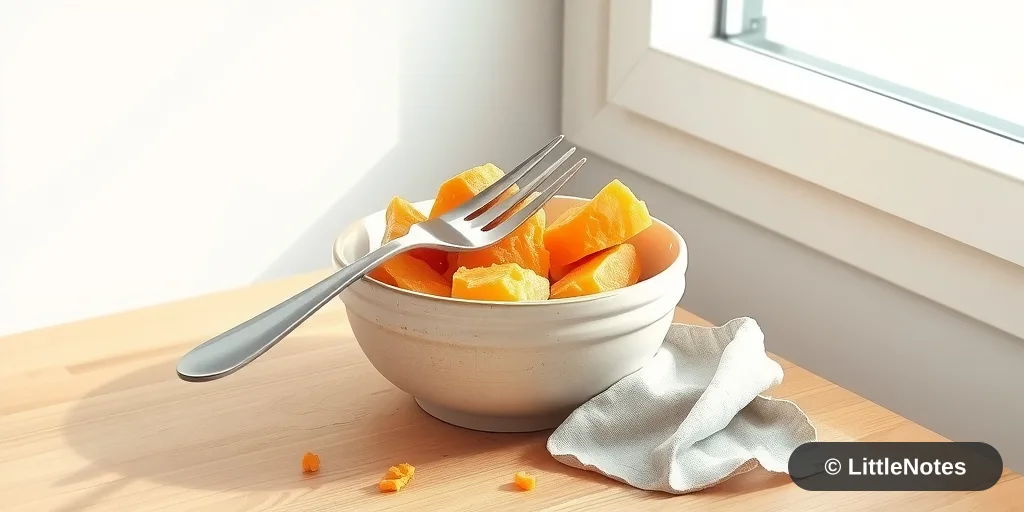
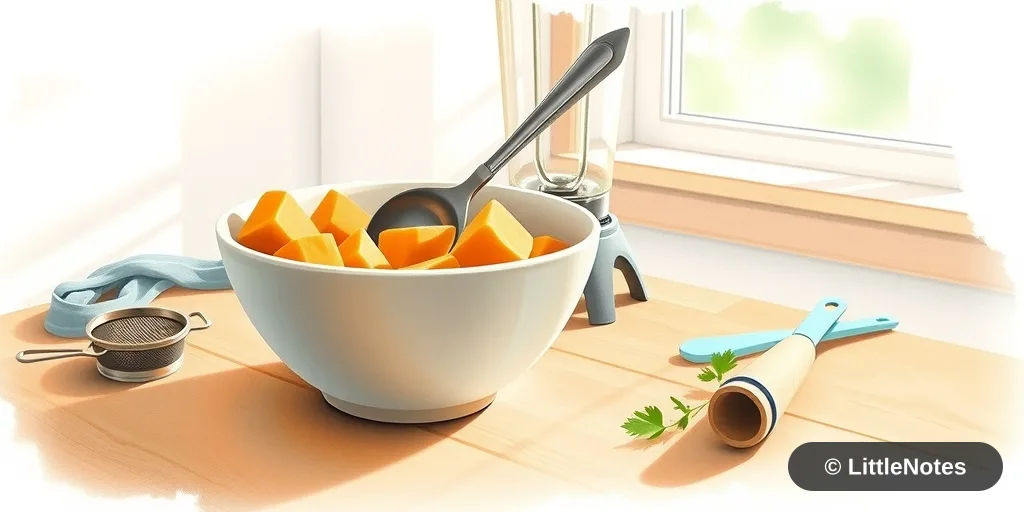
Avoid specialized baby food blenders, as they are rarely needed for more than a few weeks. Instead, use regular household mixers, a fork, or a potato masher, and transition to hand-mashed textures as quickly as possible to help your baby accept a wider variety of foods.
You do not need to invest in expensive baby-specific food processors. Most parents find that a standard home blender using the small jar att…
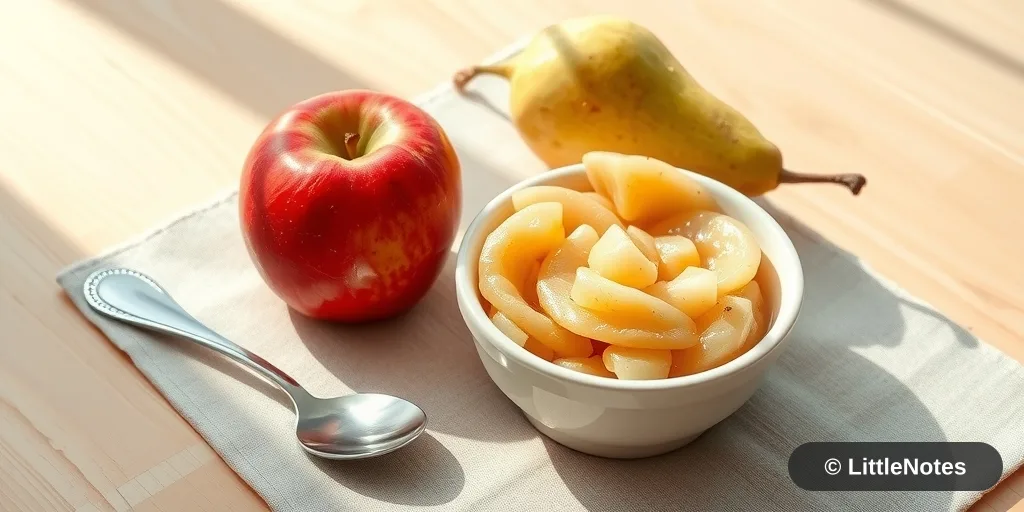
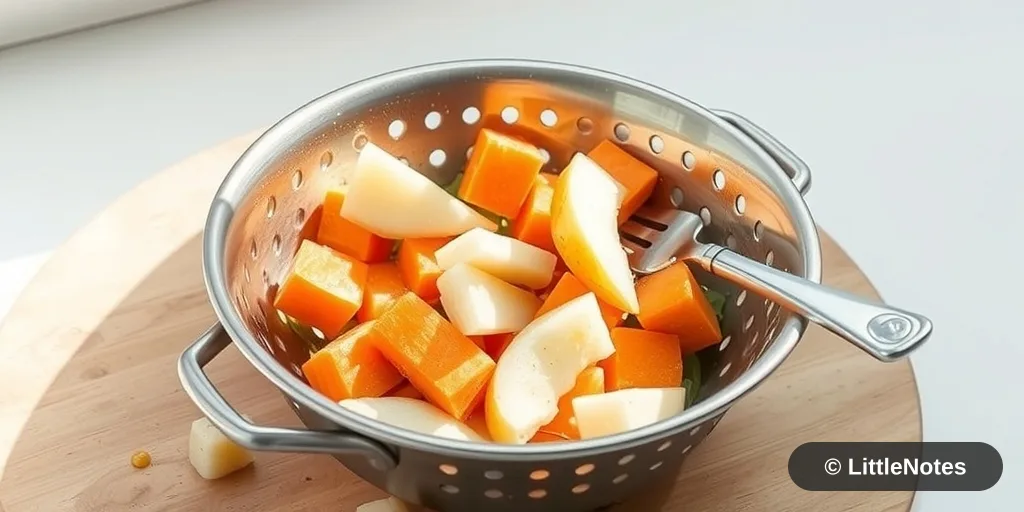
To transition from purees to textured solids, pass softened fruits and vegetables through a steel colander to get a smooth but textured consistency. After a week, move directly to fork-mashing to help your baby develop chewing skills.