Community-powered wisdom for first-time parents
Tips on feeding, sleep, milestones, and more — shared by parents who've been there.
Browse tips & articles by topic
Ask questions & share experiences
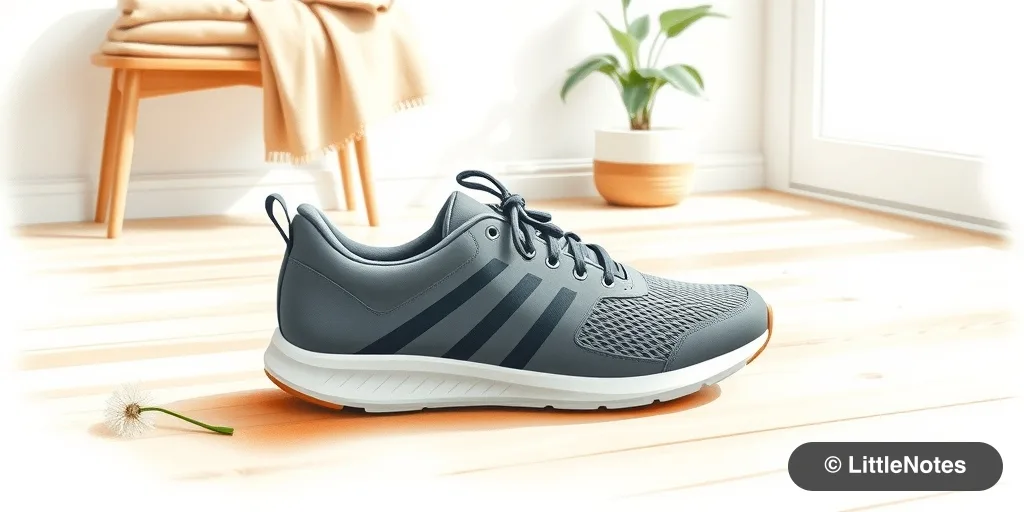
Skechers ArchFit shoes provide excellent shock absorption and arch support, making them an ideal choice for parents who spend long hours standing or walking daily.
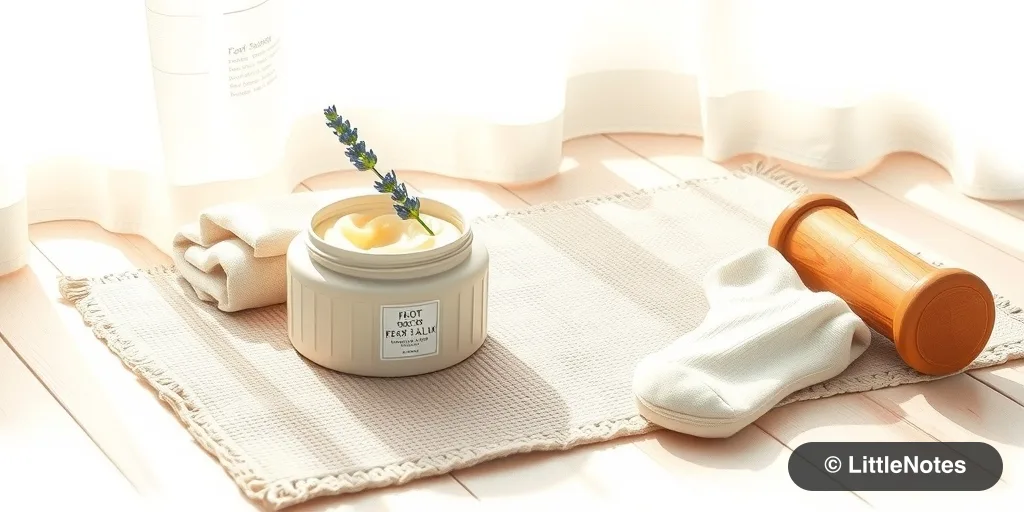
It is common for postpartum parents to experience increased skin dryness and cracked heels due to hormonal changes. To manage this, many rec…
As a parent, your daily steps add up quickly—whether you’re chasing a toddler at the park, navigating the morning commute, or simply standing while managing household tasks. It’s common for new parents to experience foot pain, joint stiffness, or even skin changes like dryness as their bodies recover postpartum. If your feet are feeling the strain, it might …
Store your foot care roll-ons or moisturizers in the shower to make applying them a consistent part of your post-bath routine.
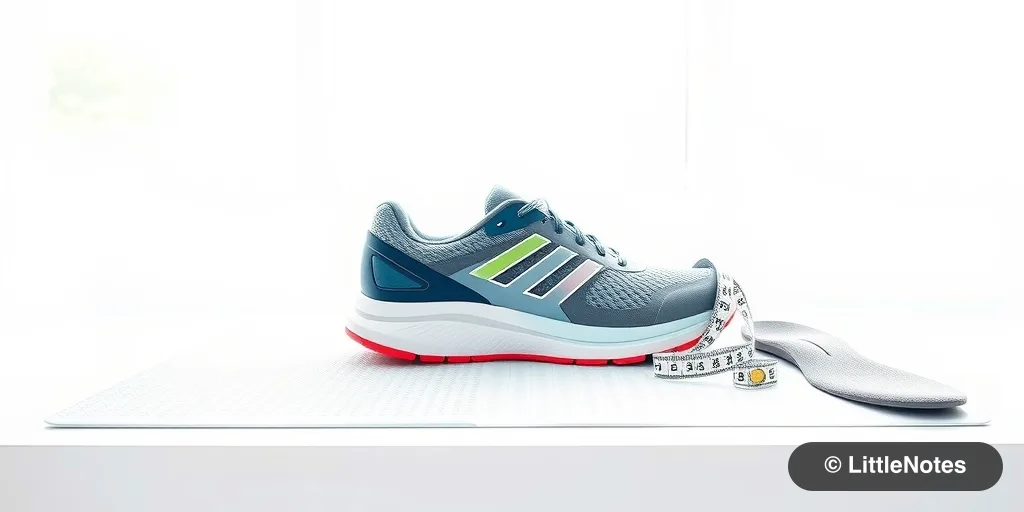
Visit a sports store to have your pronation and arch type checked so you can select footwear that provides the specific support your feet need.
Finding shoes that provide both comfort and style for daily commuting can be challenging, especially when dealing with postpartum joint stra…
Postpartum hormonal changes can cause severe dryness; specialized foot rolls or intensive balms may be more effective than standard moisturizers for thick skin.
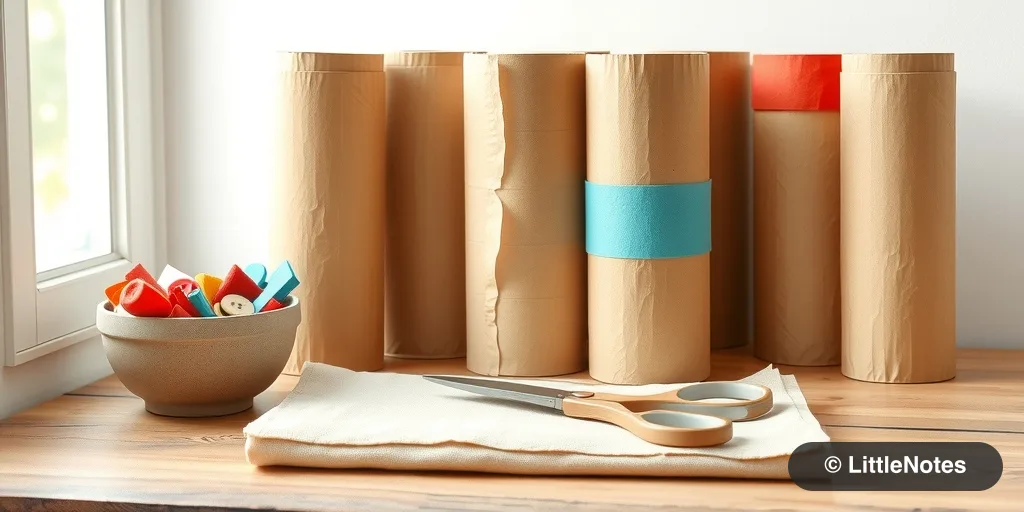
Empty kitchen paper towel rolls are excellent materials for children's school projects and art activities.
For parents seeking help with the physical care of a young infant, it is recommended to prioritize professionals who come with strong, verif…
When hiring a nanny, hourly rates can fluctuate based on experience, specific duties, and local market demand. While you may have an establi…
Always stay in the room or keep valuables locked away while hired cleaning help is working in your home to ensure security.
Welcoming a newborn into your home is a beautiful transition, but the daily tasks—like managing the first few months of baths and massages—can feel overwhelming for first-time parents. Many parents eventually look for a trained professional (often called a 'japa maid' or baby care specialist) to assist with these routines. Why consider professional help? Bey…
If you’ve seen those sturdy wooden platforms popping up in your social media feed, you might be wondering if a 'learning tower' is truly a must-have for your toddler. As children approach their first birthday, they often become fascinated by what you are doing in the kitchen. A learning tower provides a safe, elevated, and stable way for your child to join y…
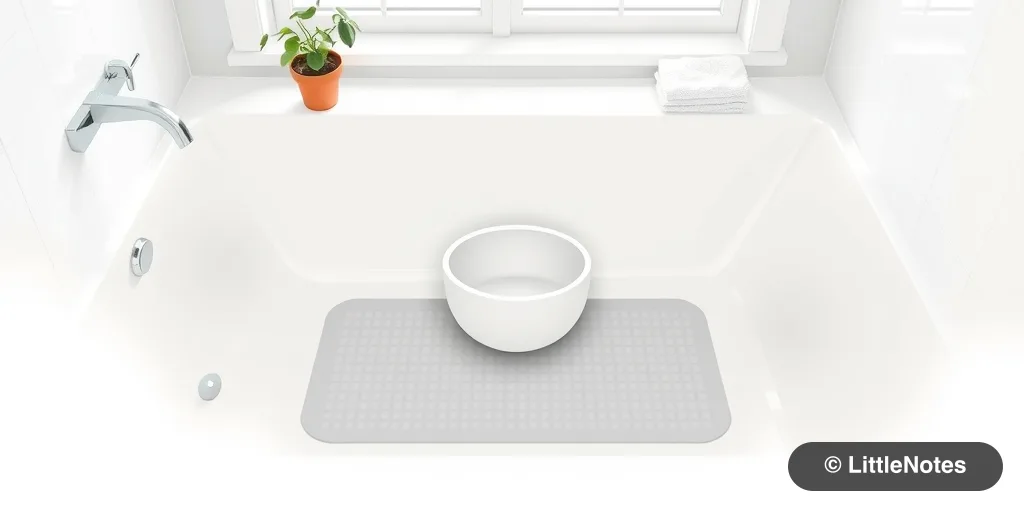
Many parents find that specific infant tubs are only useful for a few months before babies become too mobile and want to sit or stand during…
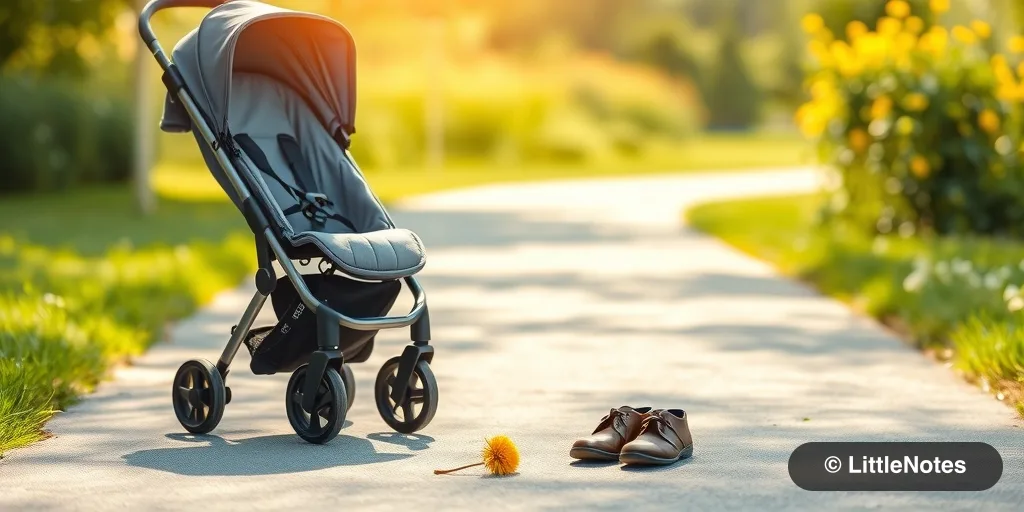
Toddlers may reject their strollers during periods of 'movement frustration' when they are learning to walk and want to explore independently. This is typically a temporary phase and will pass as they gain confidence.
Postpartum hair changes, including frizz and baby hairs, are common and can make managing curls feel challenging. To maintain your curls wit…
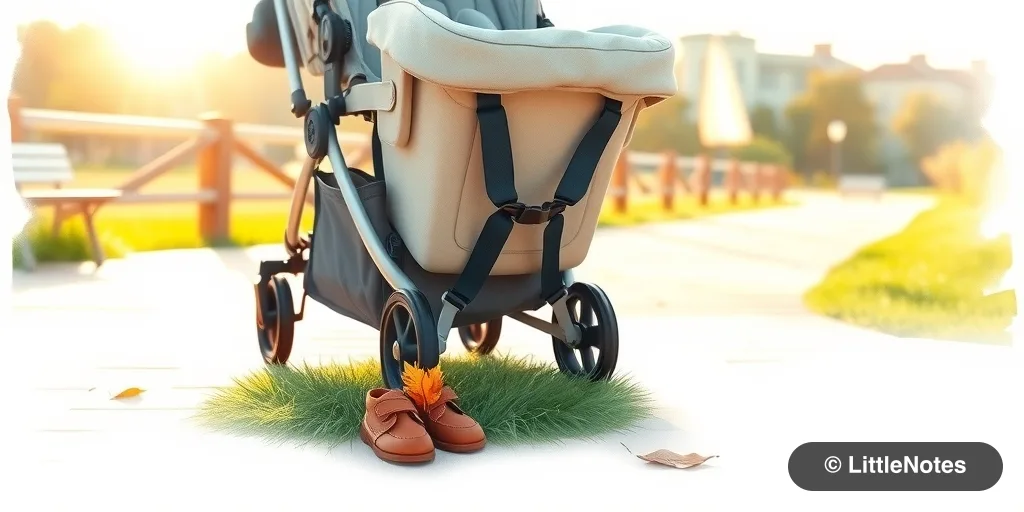
It is very common for toddlers approaching walking age to experience 'movement frustration,' leading them to reject strollers or car seats i…
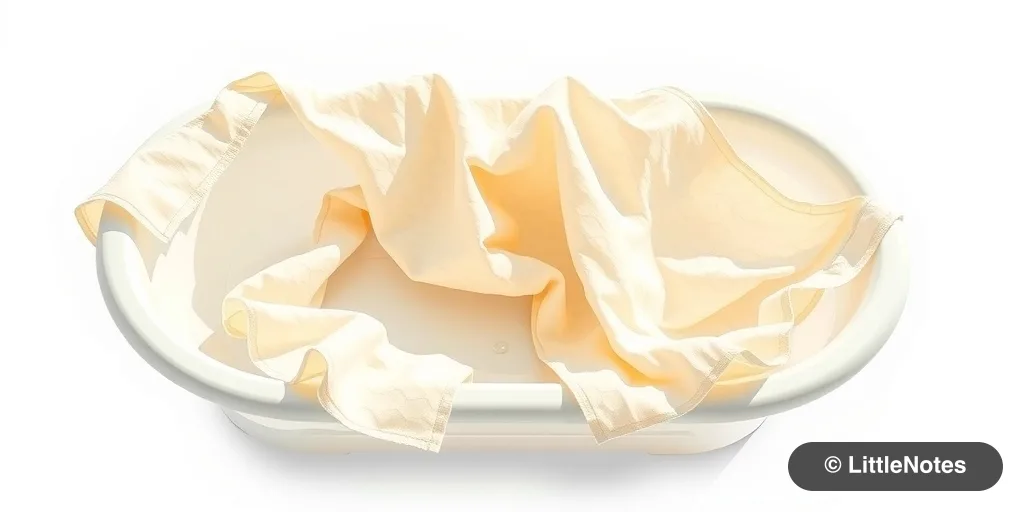
If a plastic bath insert feels uncomfortable or slippery, place a soft muslin cloth or towel over the plastic to create a more secure and comfortable surface for your baby.
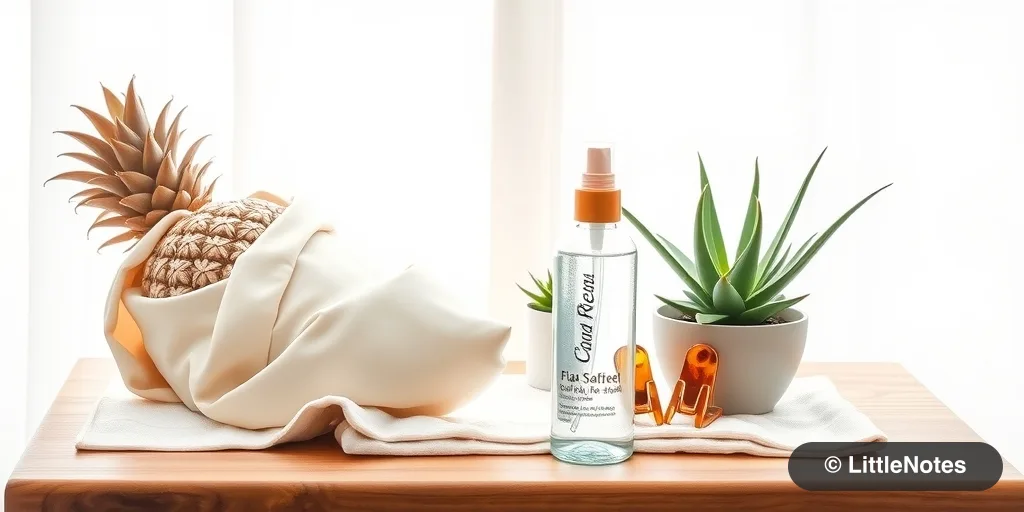
Use a hair wax stick to tame postpartum flyaways without making hair stiff. Alternatively, use a silk-lined pineapple cap at home to protect curls while keeping them tied up.
Is your little one suddenly turning their nose up at the stroller they once loved? You aren't alone! Many parents notice that around the 10–12 month mark, right as babies start taking their first independent steps, the stroller suddenly becomes a source of frustration. Experts and experienced parents often call this 'movement frustration.' Your baby is at a …