Community-powered wisdom for first-time parents
Tips on feeding, sleep, milestones, and more — shared by parents who've been there.
Browse tips & articles by topic
Ask questions & share experiences
You can source fresh items like neem leaves easily through quick-commerce platforms like Blinkit or Flipkart if you cannot find a local tree.
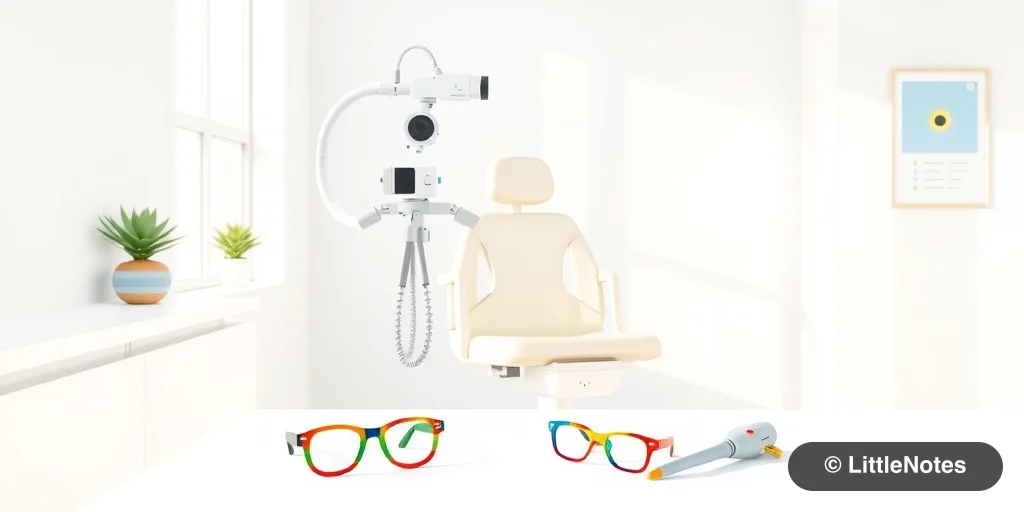
When seeking specialized eye care for children, look for providers who have dedicated pediatric departments and utilize modern, child-friend…
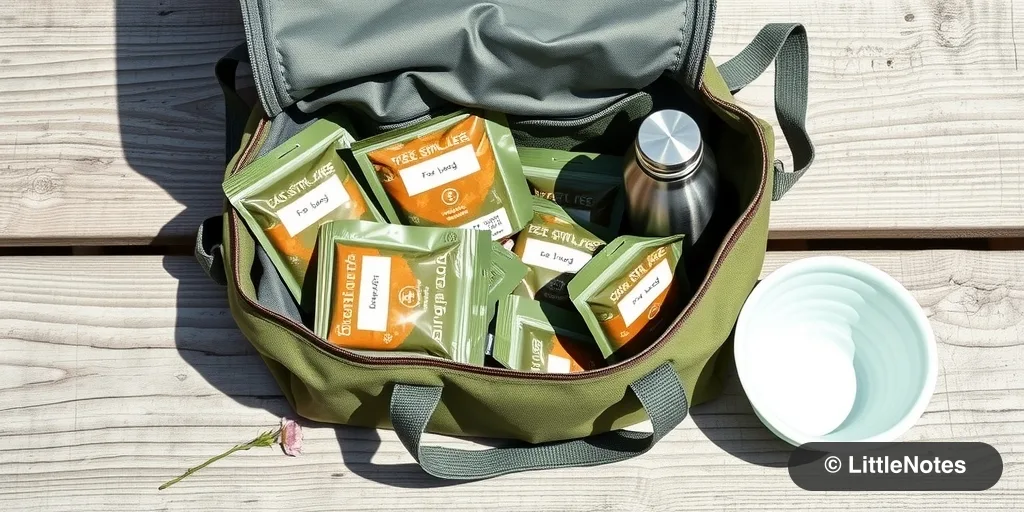
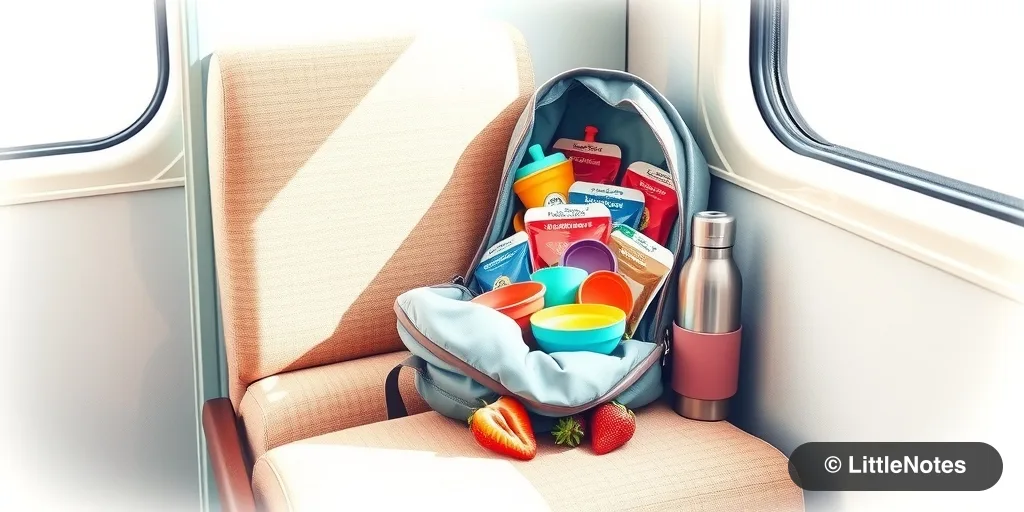
Freeze-dried food packs can be a convenient option for parents traveling with infants and toddlers, as they are lightweight and easy to prep…
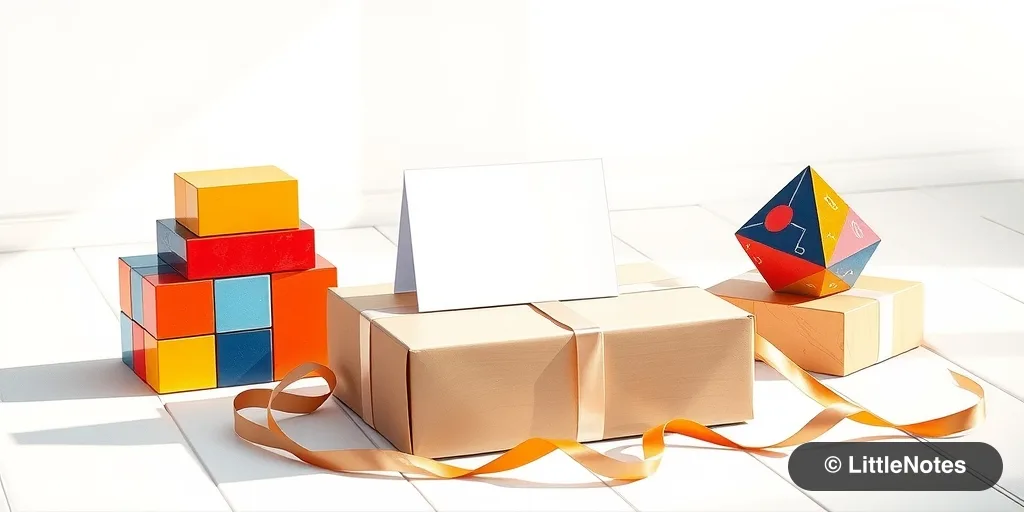
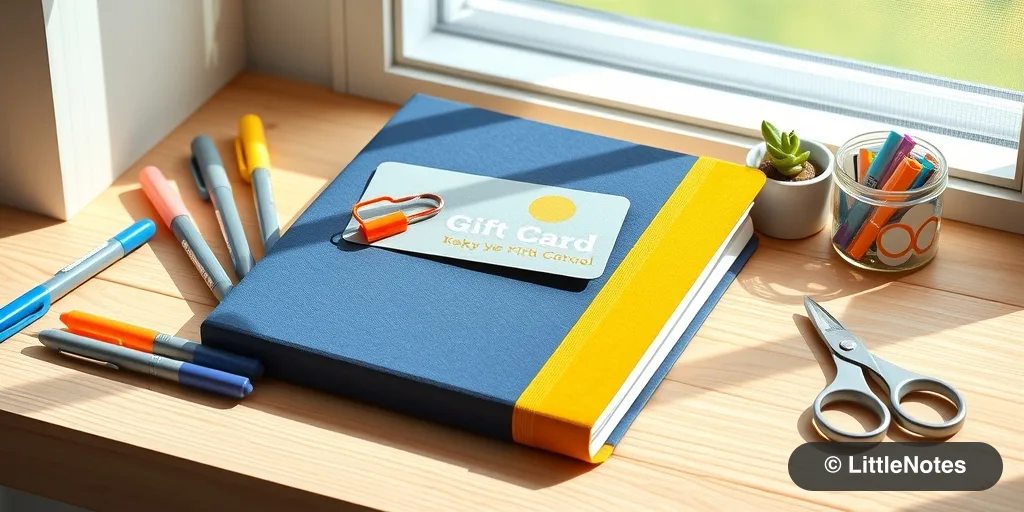
It can be difficult to know the personal preferences of older children, so providing an Amazon gift card is a practical and well-received gift option.
Traveling with a toddler changes the way you pack for everything—especially food. When you are on the go, finding healthy, convenient, and reliable meals for your little one can be a challenge. Freeze-dried food packs have become a popular solution for many parents, but how do they hold up in practice? The Benefits of Freeze-Dried Options Freeze-dried meals …
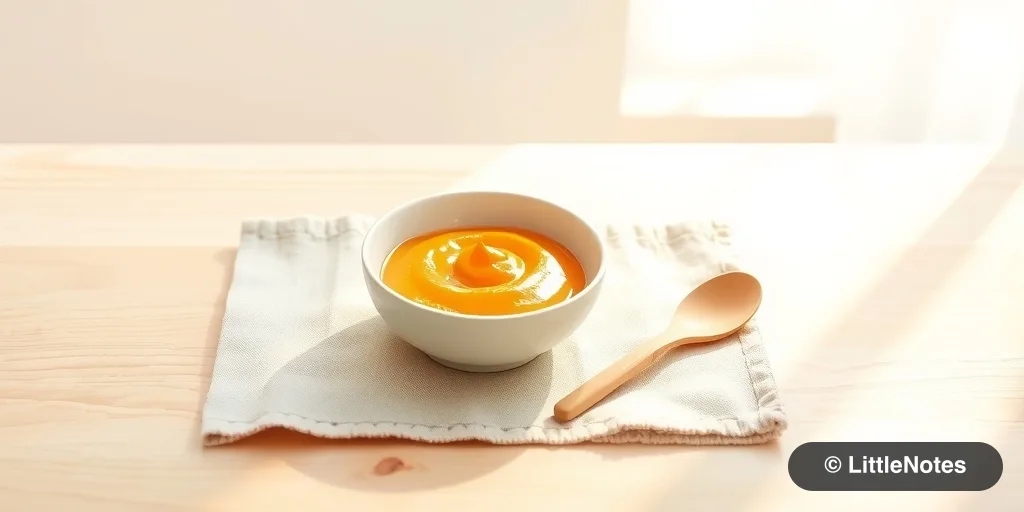
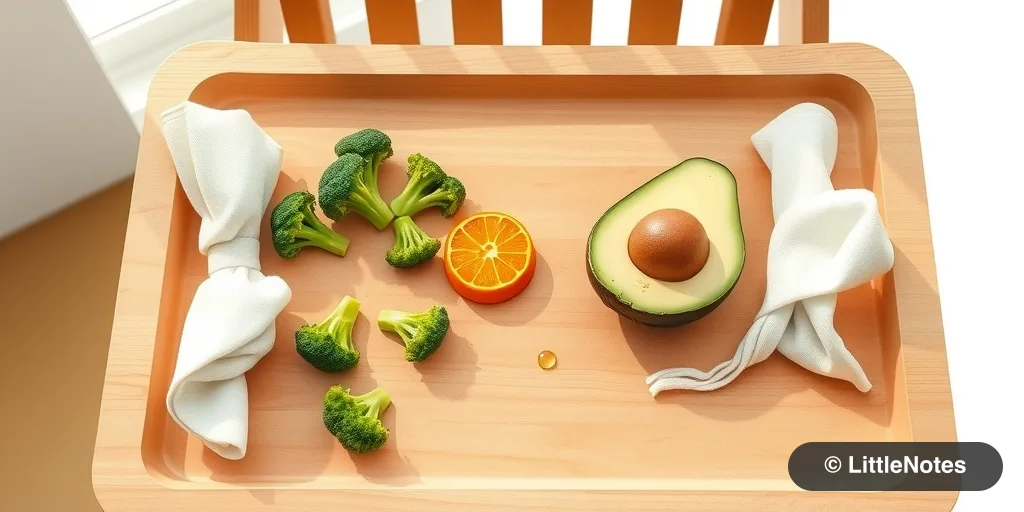
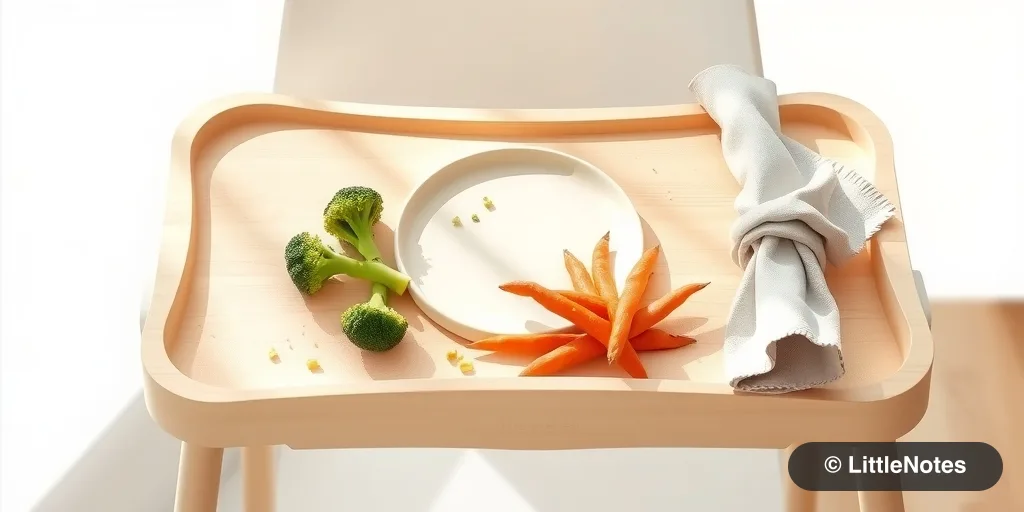
When introducing solids, start with very small portions to allow your baby to explore tastes and textures gradually.
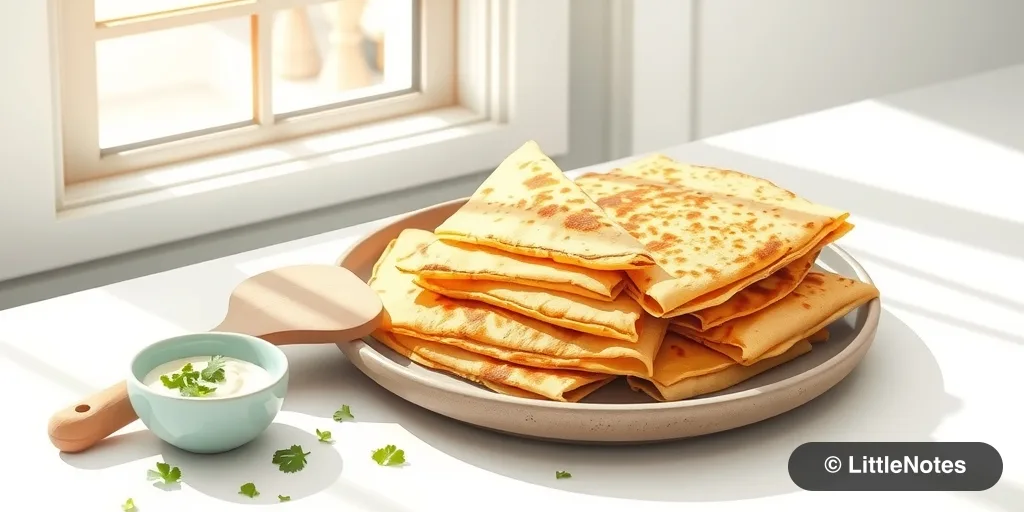
Mix egg into your dosa batter to create a firmer, easy-to-hold finger food that stays intact for your baby.
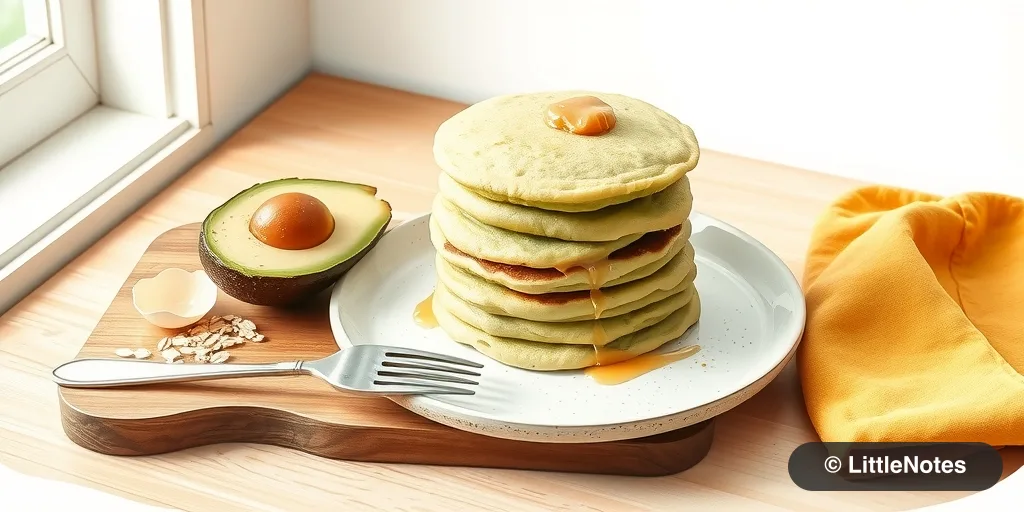
Blend ripe avocado into pancake batter with oats and eggs for a soft, easy-to-hold, and nutritious finger food.
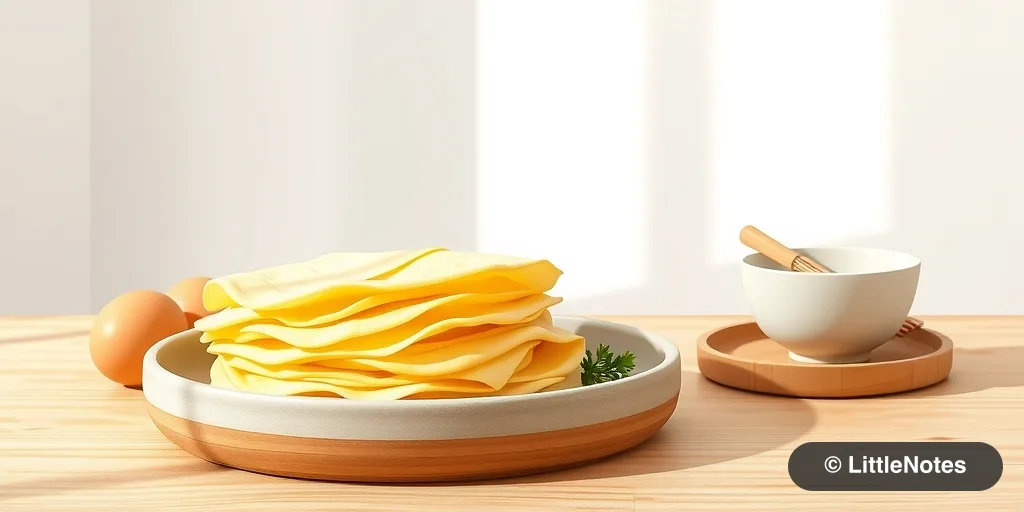
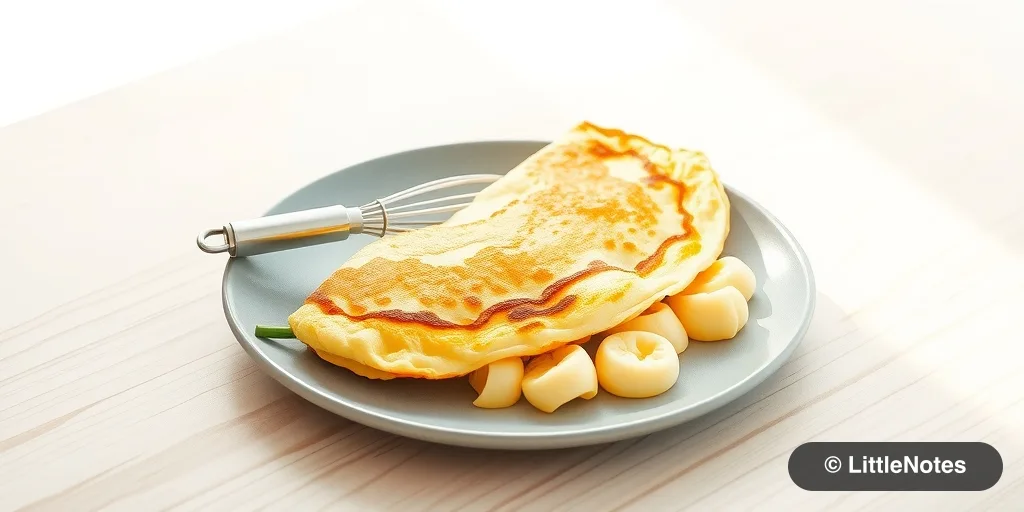
Cook omelette strips in a smaller pan to make them thicker and easier for your baby to grasp without them crumbling.
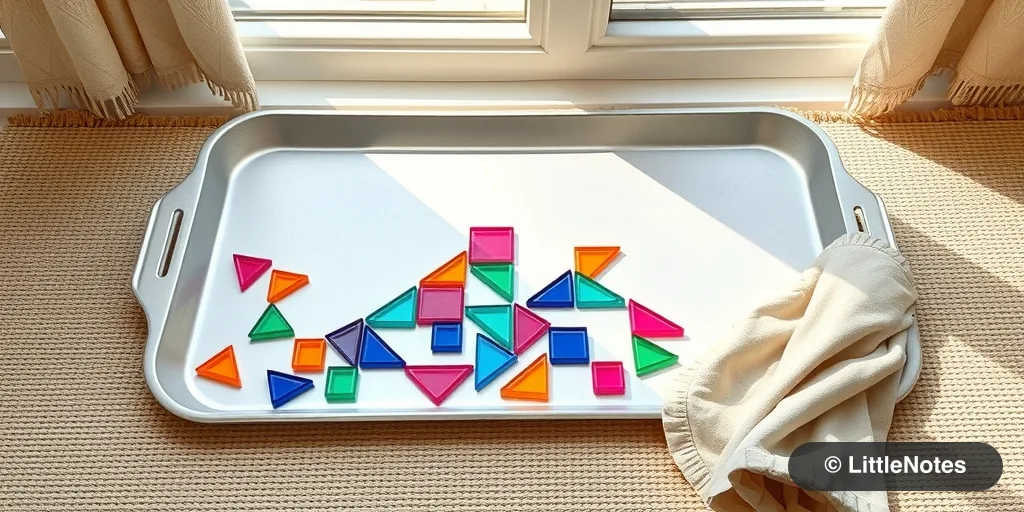
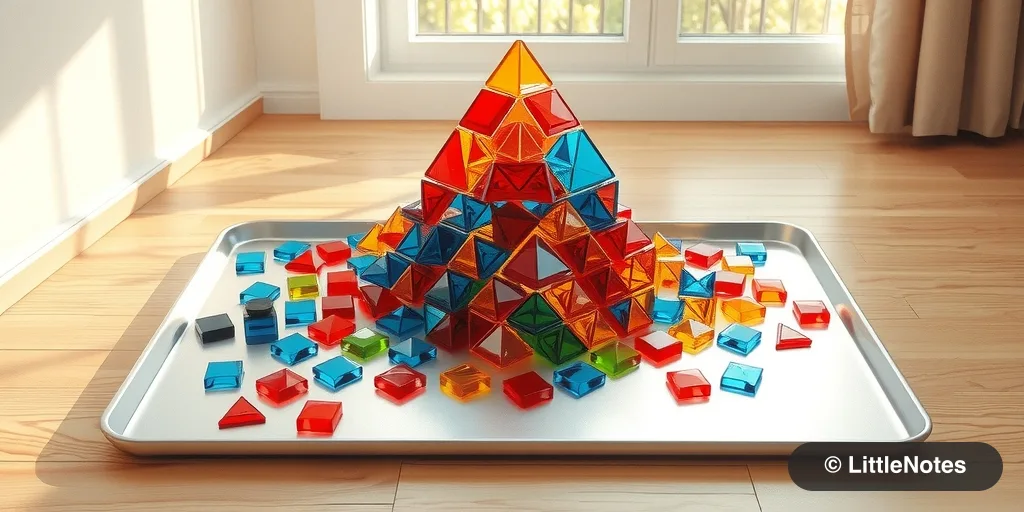
A metal baking tray makes an excellent, portable surface for magnetic tile play, keeping the activity contained and protecting your refriger…
Use a metal baking tray as a dedicated surface for magnetic tile play to protect your appliances from scratches.
Magnetic tiles are a staple in many households, but finding the right surface for your toddler to build on can be a challenge. While the refrigerator is a common go-to, many parents worry about scratches or the tiles falling onto toes. If you are looking for a dedicated "magnetic zone" for your toddler, a simple, budget-friendly solution is a flat metal baki…
Serving eggs can be tricky when babies are learning to grasp food, as thin omelettes often crumble. To make them easier to handle, try cooki…
Selecting a gift for a child when you don't know their personal preferences can be challenging. A practical and highly appreciated option is…
Understanding the physiological difference between normal gagging and actual choking will help you feel more confident when introducing solids.
Watching your baby show interest in holding their own food is a milestone worth celebrating! If your little one is eager to skip the spoon and dive into finger foods, it’s natural to feel a bit nervous about choking. Here is how to navigate this exciting transition safely. Understanding Gagging vs. Choking One of the most empowering things you can do is lear…
When choosing a clipboard for a toddler, look for options made of sturdy, non-sharp materials like thick plastic or wood with rounded corner…
Choose dental practices specifically designed for children, such as Dr. Toothlittle, to ensure a comfortable and kid-friendly environment for check-ups.
When administering medication like Sinarest to an infant, always ensure there is at least a six-hour gap between doses unless otherwise directed by your doctor.
Finding a painful lump in your breast while breastfeeding can be alarming, but it is a common issue often related to blocked milk ducts. While it is important to address the discomfort, the most crucial step is to seek proper medical advice. What to Do If You Find a Lump Consult Your Pediatrician or Lactation Consultant: If you discover a lump, reach out to …