Community-powered wisdom for first-time parents
Tips on feeding, sleep, milestones, and more — shared by parents who've been there.
Browse tips & articles by topic
Ask questions & share experiences
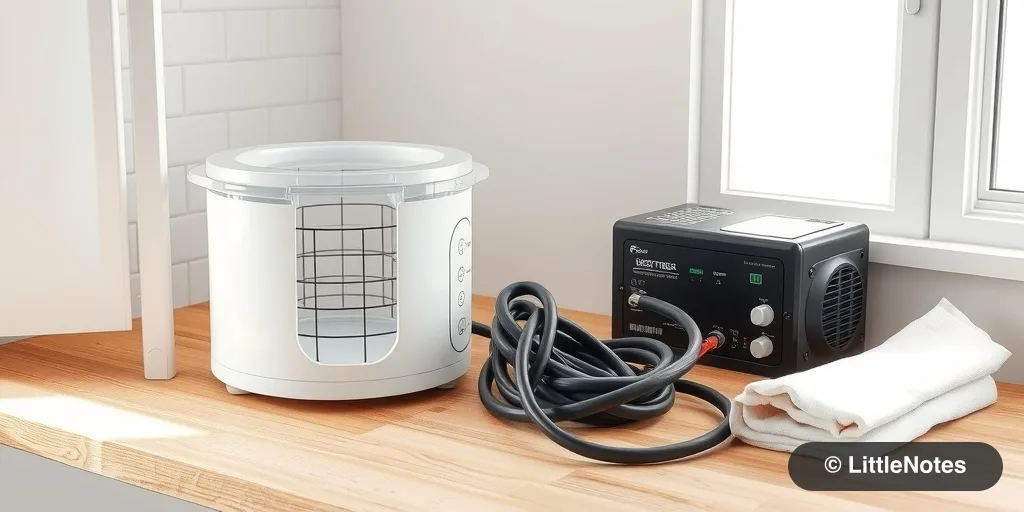
When using a baby bottle sterilizer purchased in another country, you will likely need a voltage converter to ensure it functions correctly…
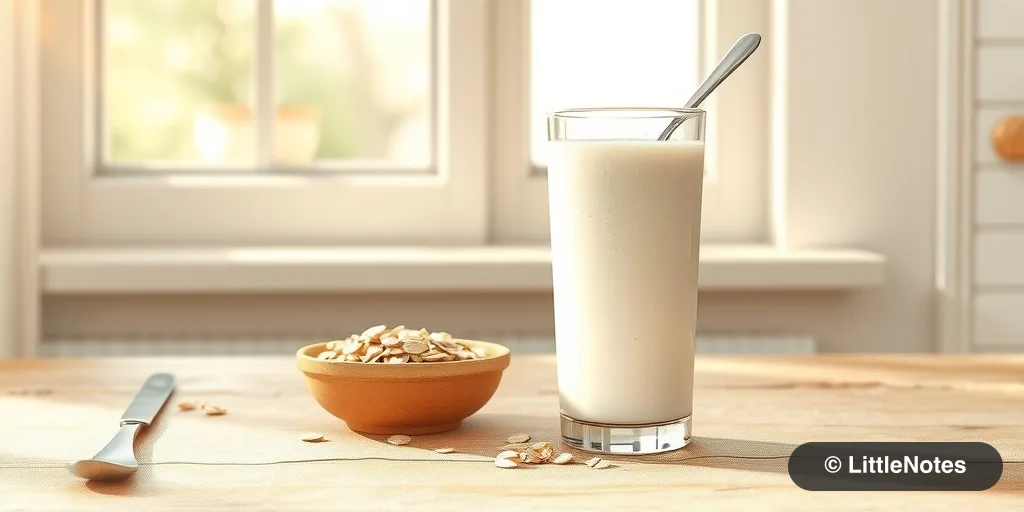
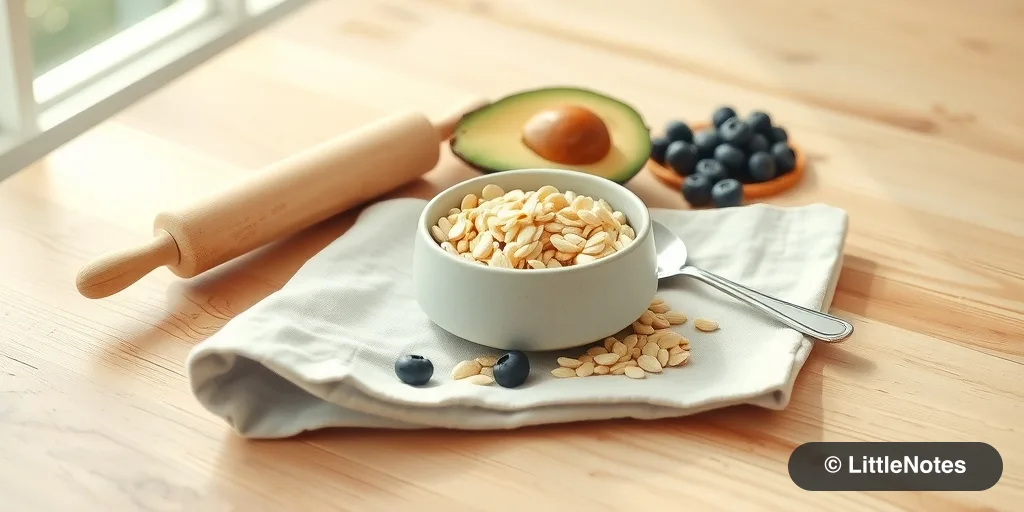
If your toddler dislikes the taste of plain cow's milk, try blending in a little oatmeal to change the texture and flavor naturally.
If your baby has localized swelling, apply a cold pack to the affected area to help reduce inflammation until you can consult a pediatrician.
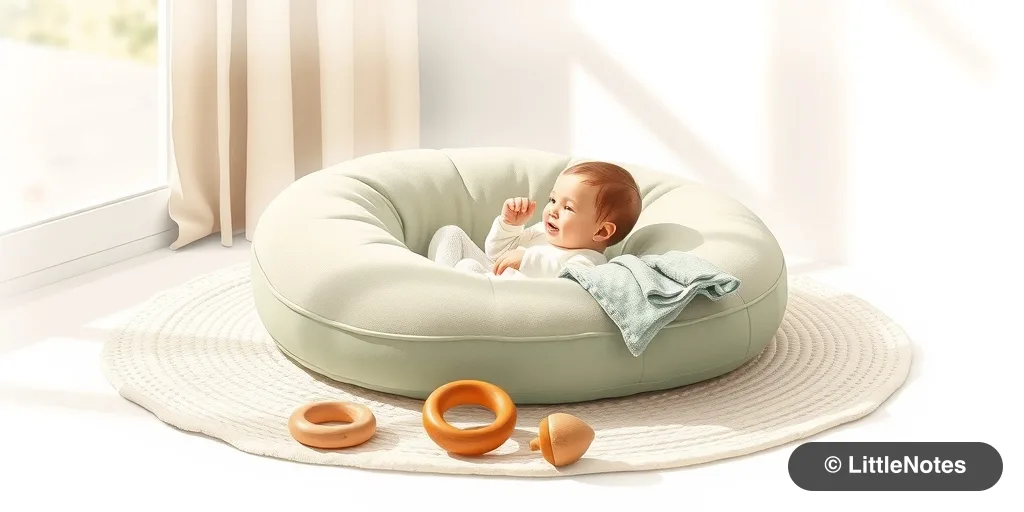
At around 6 months, babies are often ready for some supported sitting, but it is important to choose options that provide good posture suppo…
If your baby is six months old and starting to sit, a nursing or feeding pillow can provide excellent, supportive cushioning around them.
If your toddler is resistant to plain cow's milk, you can try adding nutrient-dense flavor enhancers to encourage them. Many parents find su…
Around the 6-month mark, many babies start showing a keen interest in sitting up. It is an exciting time, but it is important to provide the right support as their core muscles continue to develop. Creating a Safe Space Before your baby can sit independently, they need a little extra help to stay upright. You don’t always need to purchase specialized gear; m…
Transitioning from exclusive breastfeeding to bottle-feeding can feel like a big milestone, and it is completely normal if your baby takes a little time to adjust. Many parents find that the secret lies in choosing a bottle that mimics the natural flow of nursing. Choosing the Right Bottle When searching for a bottle, many parents look for options that prior…
Glass baby bottles are a durable and hygienic option that many parents find babies accept easily. Popular brand choices include Philips Avent and Dr. Brown's.
When it comes to toys, simpler is often better. Parents have found that focusing on items that encourage physical balance, sensory engagement, and imaginative play yields the best results for infants and toddlers. Top Developmental Picks: Movement & Balance: Ride-on cars and push-along vehicles are fantastic for gross motor skills. For older toddlers, a high…
Aeroplane swing cars are excellent for helping toddlers develop balancing skills. Use these toys alongside push-along vehicles to encourage movement and coordination.
Always ensure your child wears a properly fitted helmet from a reliable source like Decathlon whenever they are using a balance bike.
Sprinkle hulled hemp hearts into homemade meals to boost the nutritional profile of your toddler's food.
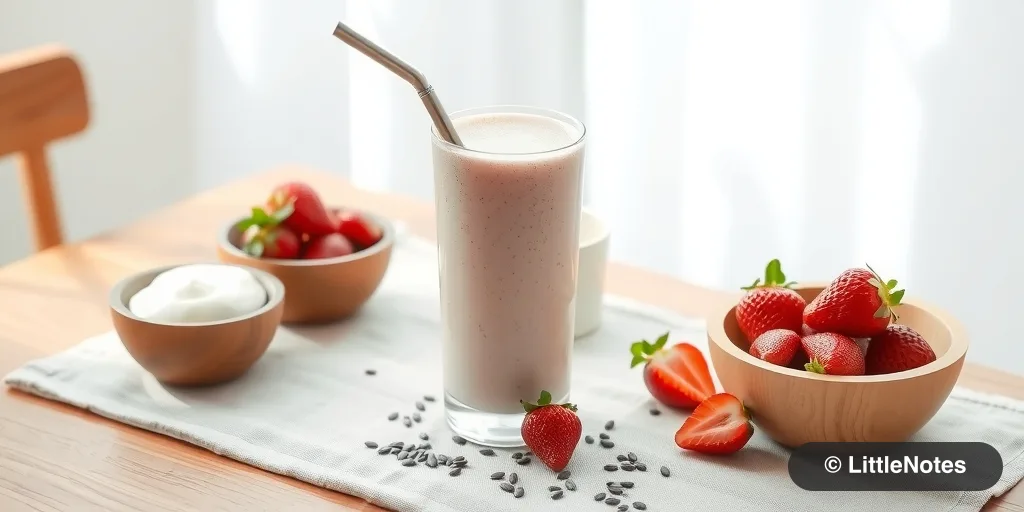
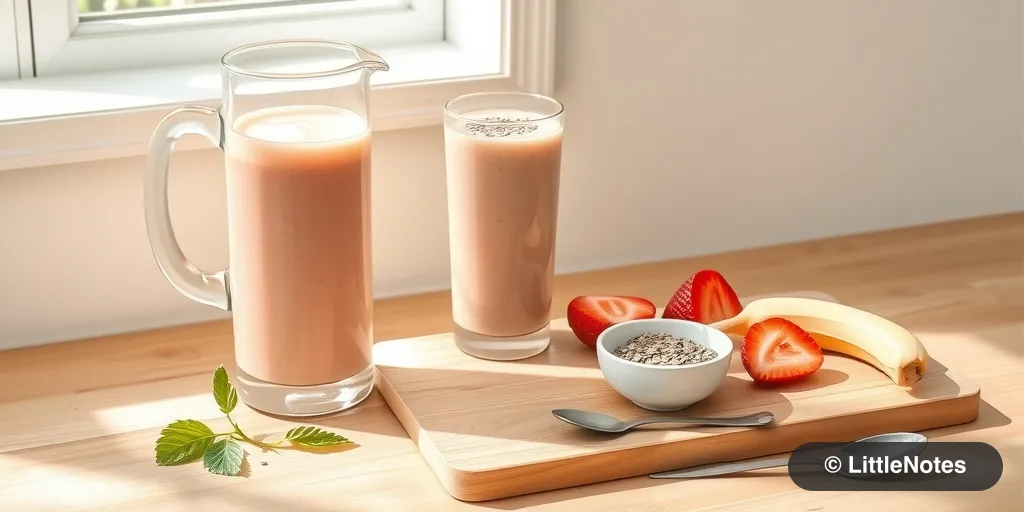
Milkshakes and smoothies can be a healthy snack for toddlers 12 months and older, provided they are kept sugar-free. By blending whole fruit…
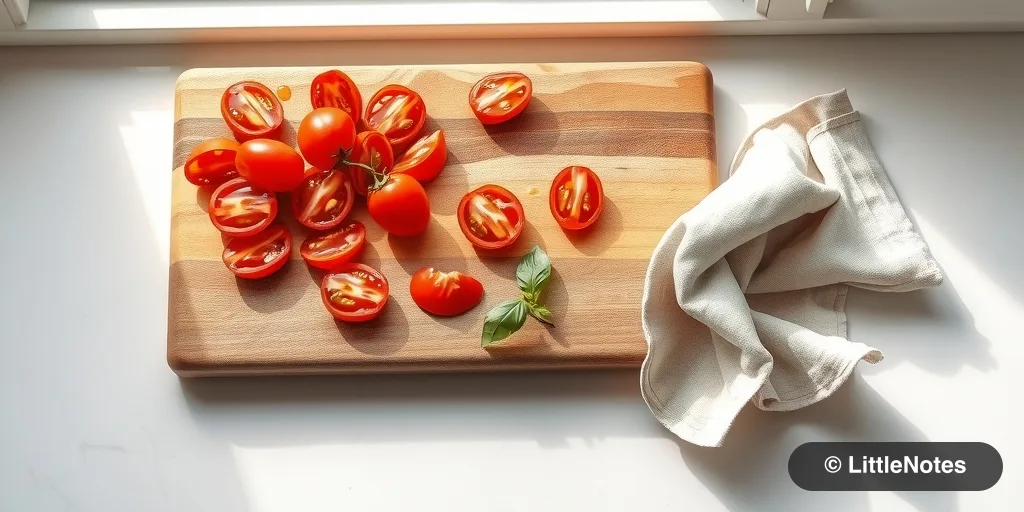
Redness around the mouth after eating acidic foods like tomatoes is often a contact rash rather than a true food allergy. If a skin reaction occurs, monitor breathing and behavior, and consult a pediatrician for guidance.
If your baby develops a skin rash after eating, observe them closely for signs of respiratory distress, fever, or extreme discomfort. A loca…
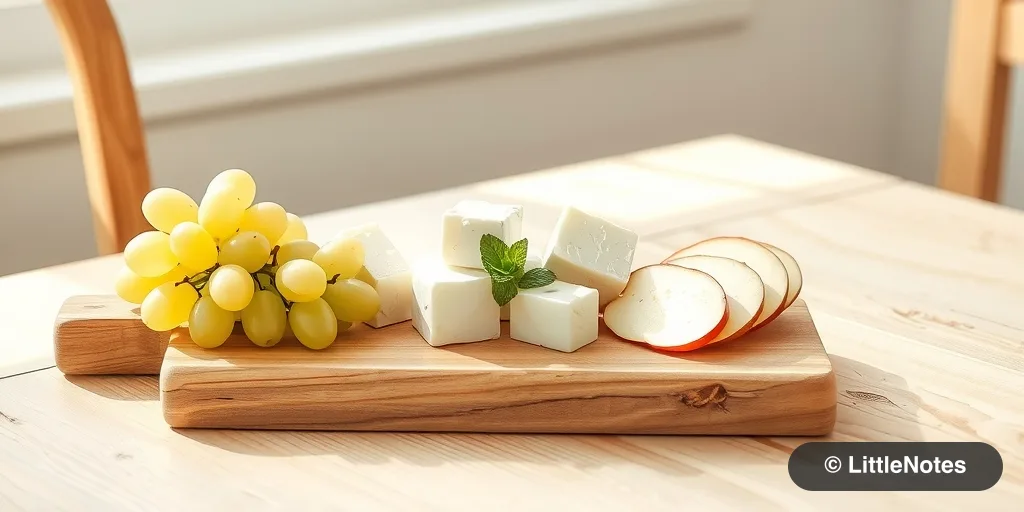
When introducing cheese to infants, opt for varieties with lower sodium content like mozzarella or gouda. Always offer in moderation as part of a balanced diet.
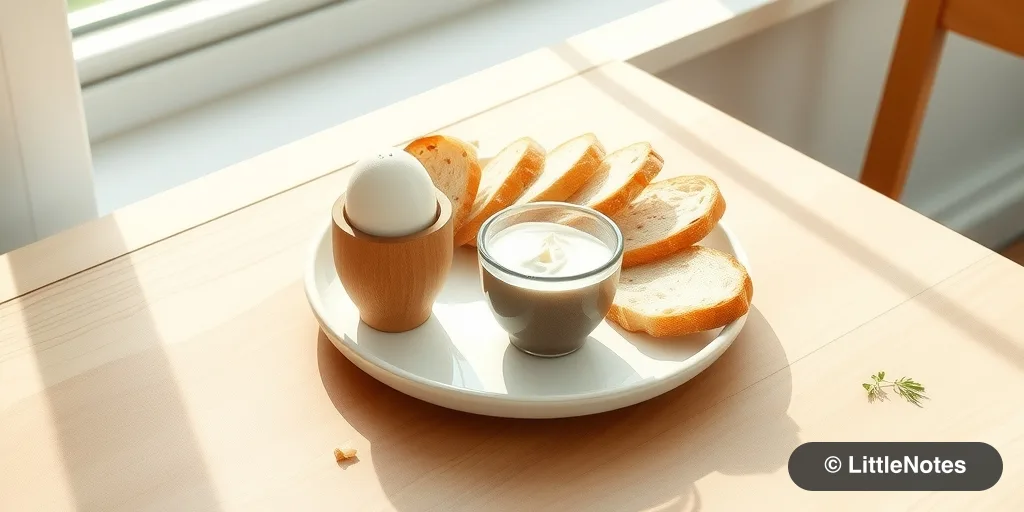
Introducing new foods—especially allergens like eggs—can be a nerve-wracking experience for first-time parents. If you are starting solids or expanding your little one's diet, here is some practical advice. Egg Safety If your baby shows a reaction (like a skin rash) after eating eggs, don't panic. Observe: Watch for more serious symptoms like breathing diffi…
Serve fruit smoothies as a nutritious snack by blending fruit with Greek yogurt, hemp seeds, or flax seeds. The fiber and protein content help prevent rapid blood sugar spikes.
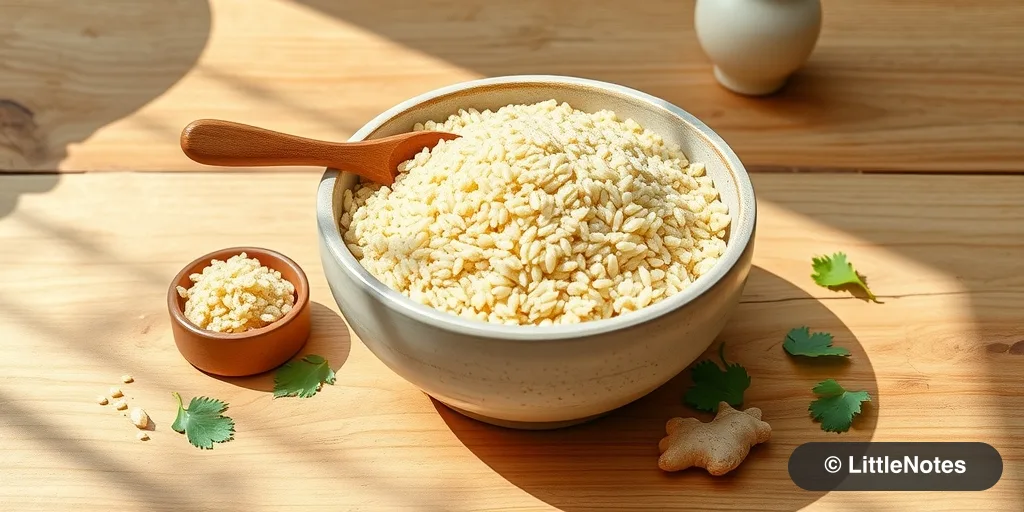
Quinoa flakes cook quickly and make a great, nutrient-dense substitute for rice in dishes like poha or khichdi. Always soak and rinse regular quinoa thoroughly before cooking.