Community-powered wisdom for first-time parents
Tips on feeding, sleep, milestones, and more — shared by parents who've been there.
Browse tips & articles by topic
Ask questions & share experiences
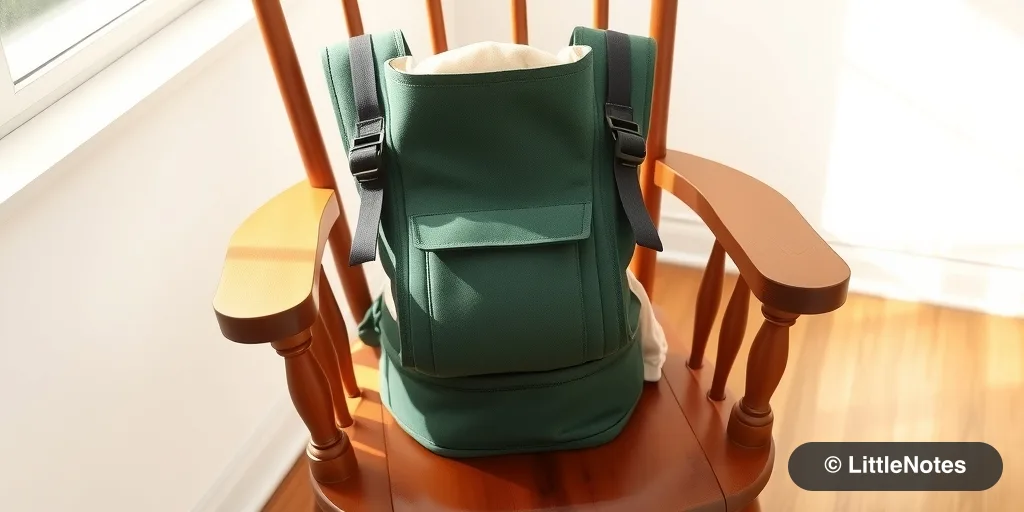
As your baby outgrows their infant carrier, look for ergonomic options that offer proper support for both the baby and the parent. Brands fr…
Consider using paint sticks for toddler art as they provide better color payoff and are generally less messy than traditional paints or crayons.
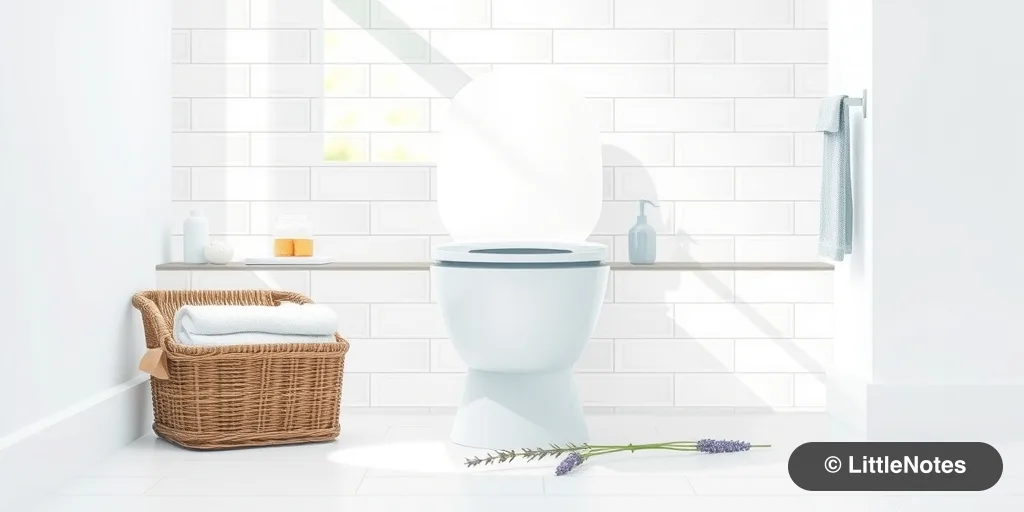
When buying a potty seat, consider one with a lid to prevent toddlers from reaching into the bowl.
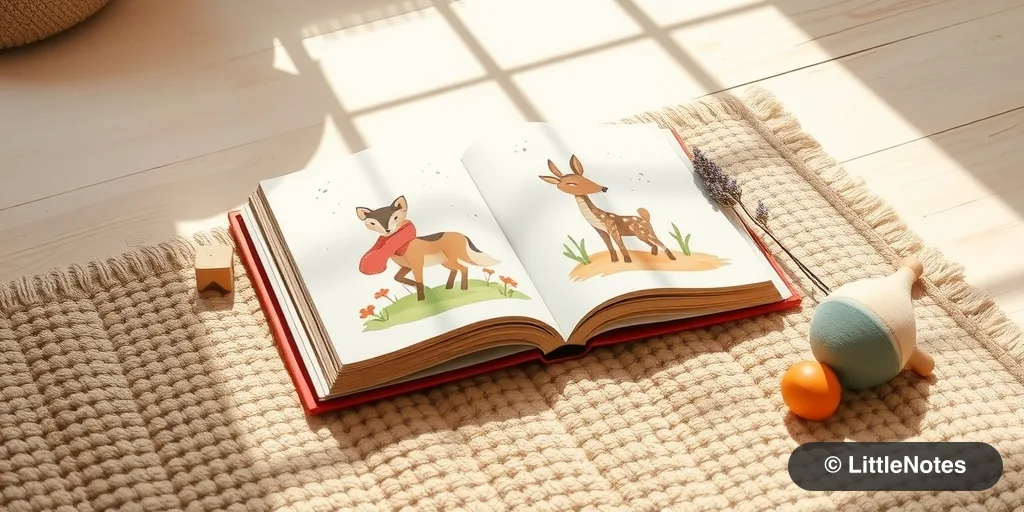
Introducing books to your baby is a wonderful way to foster curiosity and create a special bonding routine. At the 6-month to 2-year mark, the goal isn't just reading—it’s interaction. Books for Beginners (6–12 months) At this stage, babies explore with their senses. Look for: Textured Books: Touch-and-feel books like the That’s Not My...* series are great f…
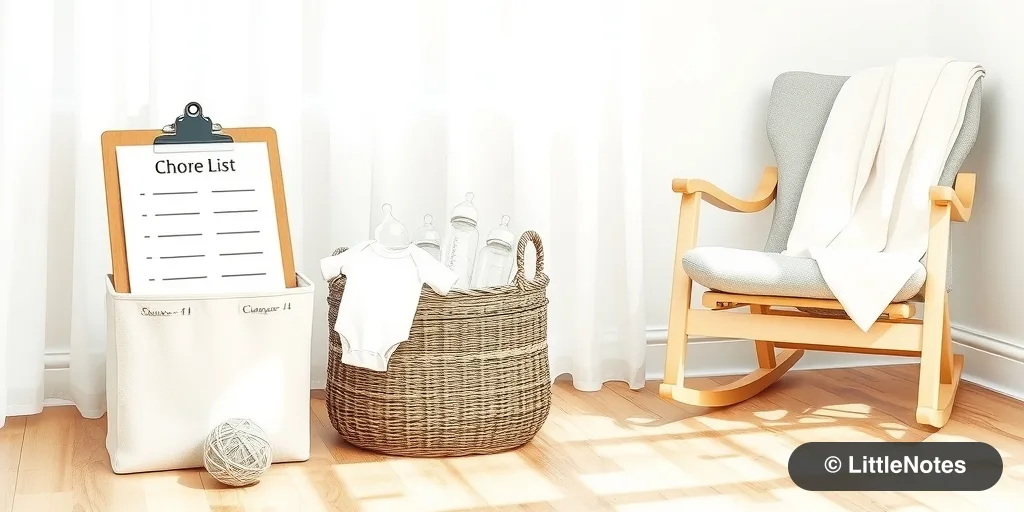
Create a clear routine for your nanny by prioritizing household chores like cleaning bottles or laundry during nap times, allowing the nanny to focus solely on the baby when they are awake.
If your baby is teething and irritable, try making breast milk kulfi (popsicles) to help soothe their inflamed gums safely.
For heavy postpartum periods, disposable period underwear can be more comfortable and absorbent than pads, reducing the stress of frequent changes and leaks.
Watching your baby navigate the discomfort of teething is never easy. Around 5–6 months, you might notice your little one becoming particularly irritable. While this can sometimes be a sign of teething, keep in mind that infants also go through a natural 'mouthing' phase where they explore the world by putting everything in their mouths. Common signs of teet…
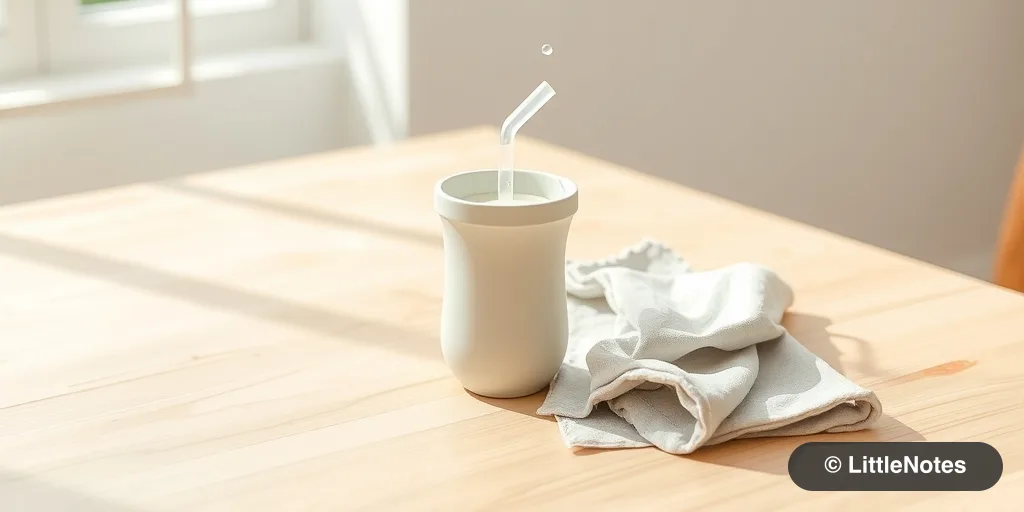
Finding a durable, leak-proof water bottle is a common challenge for parents of active toddlers. The Philips Avent straw cup is a popular re…
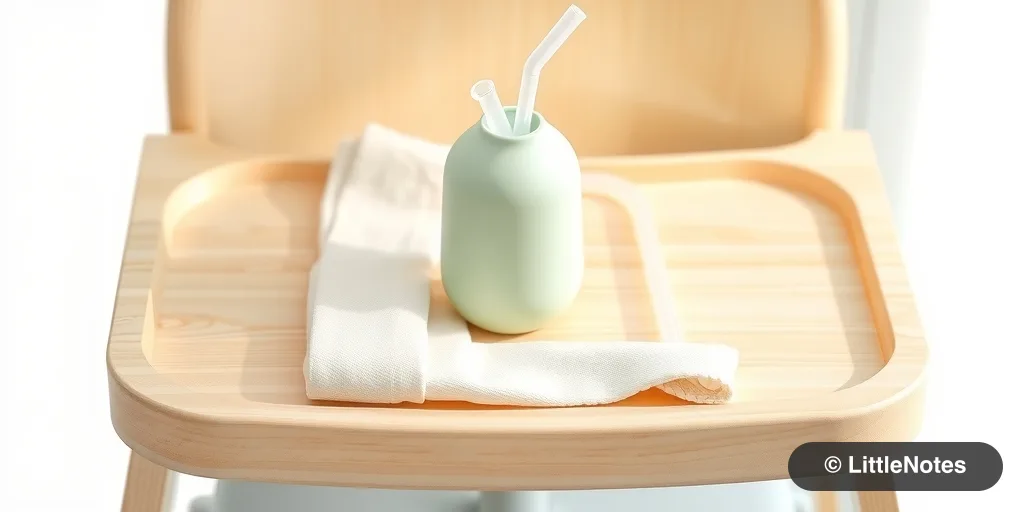
The Philips Avent straw cup features a curved straw that makes it easier for babies to access the last few drops of water.
If your toddler is struggling with big emotions, reading books about feelings can be a gentle way to help them identify and express what the…
If you are returning to work, try offering expressed breast milk in a straw cup instead of a bottle to bypass bottle-aversion concerns.
It can be difficult to distinguish between comfort nursing due to teething and routine habit. During teething, comfort nursing is a natural…
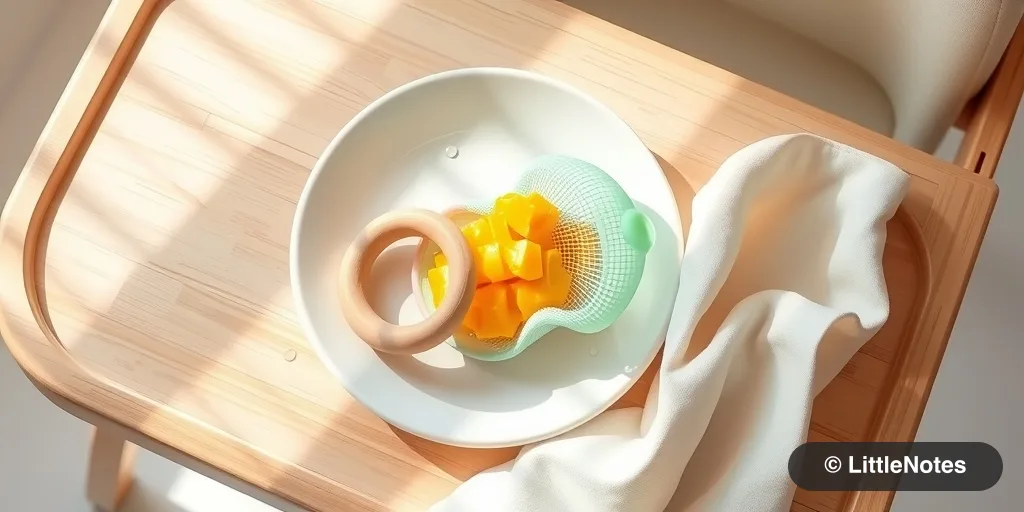
When a baby is teething and refusing regular meals, try offering cooling or soft textures like curd rice or chilled tender coconut to soothe their gums.
When your little one is teething, it’s not unusual for them to suddenly reject their favorite foods. The pain in their gums can make chewing uncomfortable, leading to a temporary loss of appetite. During these phases, focus on comfort and hydration rather than strict nutritional goals. Tips for Teething Days: Cold Comfort: Offer chilled foods like yogurt or …
If your baby experiences constipation, prioritize leafy vegetables over grains and fruits. A good rule of thumb is to aim for a plate composition of 50% fruits/veggies, 25% fats/protein, and 25% carbs.
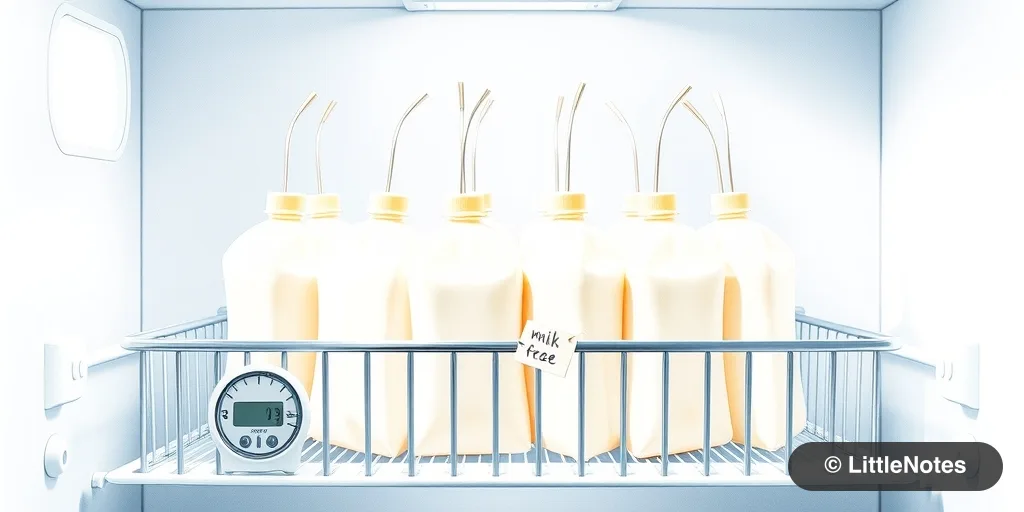
If planning an extended work trip, start building a freezer stash of breastmilk while the baby is young to ensure supply and feeding consistency.
Begin cleaning your baby's teeth as soon as the first tooth erupts. Use a rice-grain-sized amount of toothpaste on a soft toothbrush twice a day.
It is never too early to start caring for your baby’s oral hygiene. Many pediatricians recommend starting a simple cleaning routine as soon as the very first tooth sprouts. Here is how to keep those tiny pearly whites healthy. Your Daily Routine For babies and toddlers, a consistent routine is key. Aim for twice a day—once in the morning and once before bedt…
You can introduce straw cups as early as 5-6 months to help develop oral motor skills; use silicone straws initially as they are soft and safe.