Community-powered wisdom for first-time parents
Tips on feeding, sleep, milestones, and more — shared by parents who've been there.
Browse tips & articles by topic
Ask questions & share experiences
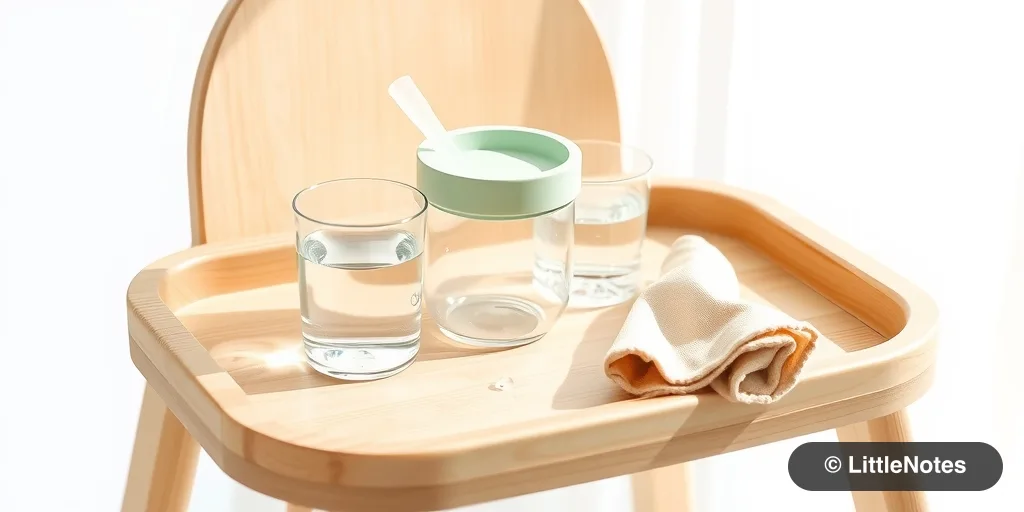
You can introduce straw cups as early as 5-6 months to encourage oral motor development. It may take some practice for your baby to coordina…
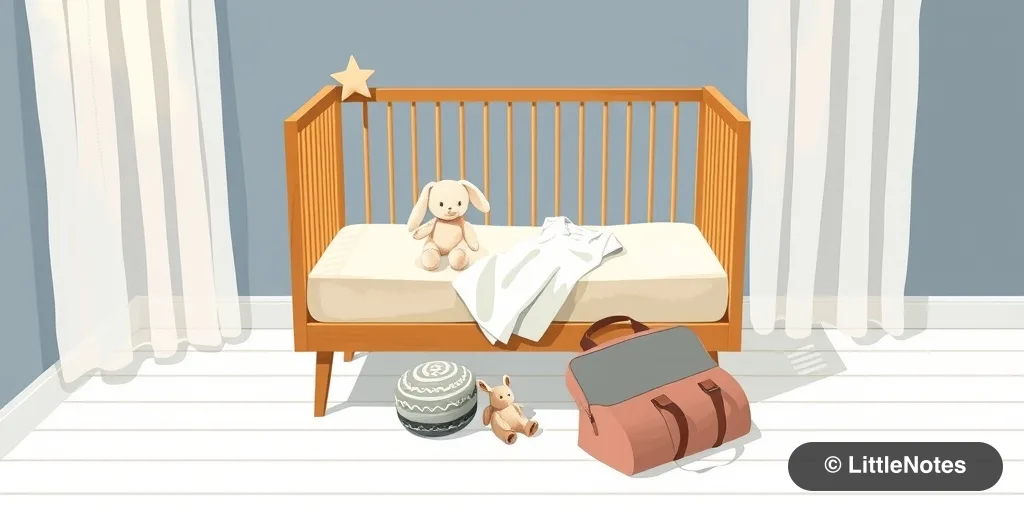
If a change in location is disrupting your baby's sleep, try keeping them in a dark, quiet room and use extra rocking and physical holding to help them feel secure.
It’s completely normal for your baby's sleep patterns to shift, especially when traveling or adjusting to new environments. Even a short trip can cause a baby’s sleep to become fragmented for a few days as they reacclimate to their home space. If you find yourself struggling with frequent night wakings or difficulty settling, consider these strategies: Creat…
For temporary relief from mild constipation, you can apply a mixture of hing (asafoetida) and water or desi ghee around the baby's belly button.
Always allow time for unstructured free play or quiet time immediately following a structured activity to help your child wind down.
Deepen your child's understanding of a specific topic by exploring it through different textures, stories, fabrics, and sounds over several sessions.
Engage in multi-sensory activities like storytelling, rhythmic play, and art to strengthen the emotional bond between you and your child.
A sensory play-based program offers a structured environment for children to explore themes through interactive storytelling, music, rhythmi…
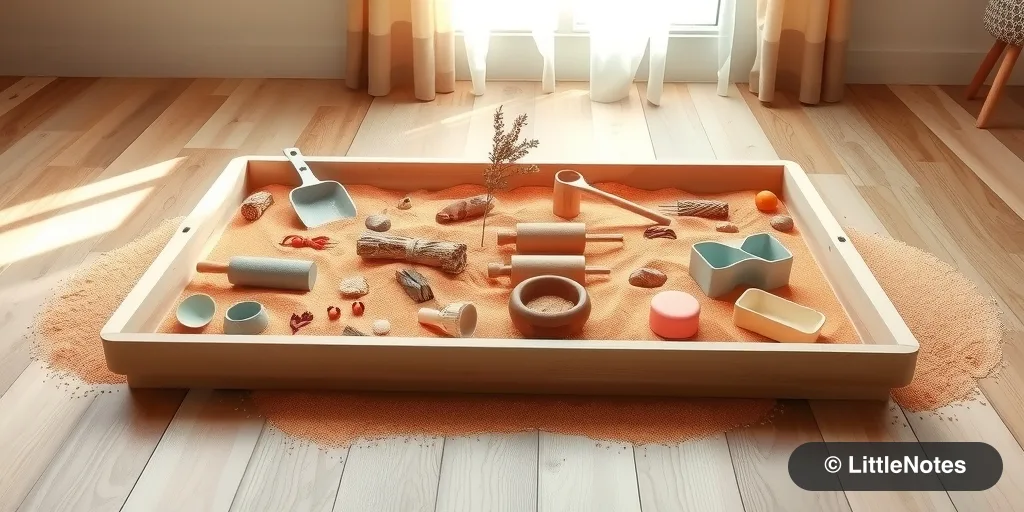
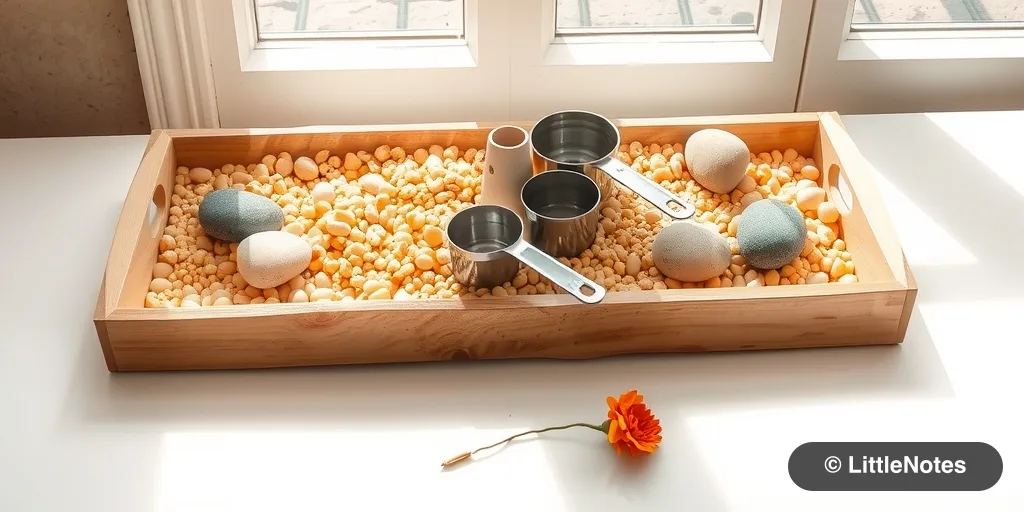
As a parent to a toddler, you are likely always on the lookout for ways to keep those curious little hands busy while supporting their development. You may have heard the term “sensory play” thrown around in parenting circles, but what does it really mean for your child’s growth? At its core, sensory play includes any activity that stimulates your child’s se…
As toddlers start to climb, jump, and explore their independence, you may find that standard plastic chairs no longer cut it. When choosing a chair for your 1-2 year old, prioritize stability and construction over simple snap-together designs. Many parents find that lightweight, click-together chairs can become a safety hazard once a toddler starts treating …
Avoid light, plastic snap-together chairs if your toddler is a climber; look for sturdier, weight-tested options like the Stokke brand for better safety.
If you are looking for a sturdy chair for a climbing toddler, you may want to look beyond lightweight plastic options that snap together. Br…
Transitioning your baby from a bottle to a cup is a milestone that marks their growth into a toddler. It can feel like a big step, but with a bit of patience, most babies take to it naturally. When to Start Many parents begin introducing a straw cup or an open cup around 5–6 months of age. There is no need to wait for a specific "perfect" time—early exposure…
Make the switch to an open cup a fun milestone event by having the toddler say goodbye to the bottle and celebrating with cheers and praise.
Choose openable silicone straws for your toddler's cup to ensure they stay clean and hygienic for regular daily use.
Reading the same book over time, like 'Goodnight Moon', allows you to build a routine where children spot patterns and connect stories.
For many parents, bedtime reading is more than just a wind-down routine—it’s an opportunity to build deep connections. A well-loved classic like Goodnight Moon, for example, offers far more than just a simple story. Parents have discovered that re-reading the same books can reveal new layers of meaning. By observing details like the passage of time—the clock…
Traveling with a little one requires extra preparation, especially when it comes to health. While it's always best to consult your pediatrician for a personalized travel checklist based on your destination and your baby's medical history, here is a foundational kit to keep in your diaper bag for peace of mind. Core Travel Kit Fever & Pain: Paracetamol (e.g.,…
Many parents notice a slight asymmetry or flattening of their baby’s head shape in the first few months. This is a common occurrence as infants spend a significant amount of time on their backs. The good news is that for most babies, this naturally resolves as they grow, spend more time sitting, and develop stronger neck muscles to hold their heads up. To he…
Relieve pubic bone pain by keeping a pillow between your legs while sleeping and turning your entire body at once rather than twisting your pelvis.